Direct answer: what does office upgrades mean for standing desk supply chains?
Offices are moving away from the “one person, one fixed desk” model toward hybrid environments that balance collaboration, focus, and flexible work styles. This shift does not prove that any specific standing desk product sells better, but it changes how buyers evaluate workstations: desks need to be easier to adjust, easier to reconfigure, and coherent with breakout and collaboration zones. For distributors, office furniture brands, fit-out contractors, and enterprise buyers, this means putting adjustability, modularity, and delivery certainty earlier in the selection process. Contact ETUP to verify specific product specifications, certifications, and commercial terms.
Why the “hospitality effect” is worth watching
An October 2026 feature in Office Insight discussed the hospitality effect and the reimagining of the office, noting that today’s workforce expects more than a desk—environments that foster teamwork and accommodate flexible work styles—and highlighting combinations of workstations, breakout rooms, and adaptable spaces. That article is an industry observation, not a product test report, and it does not prove any supplier’s capabilities. We treat it as a demand-side signal: office furniture procurement is shifting from “quantity and unit price” toward “space experience and adjustability.”
Three implications for B2B standing desk and desk frame procurement
1. Adjustability becomes the foundation of spatial flexibility
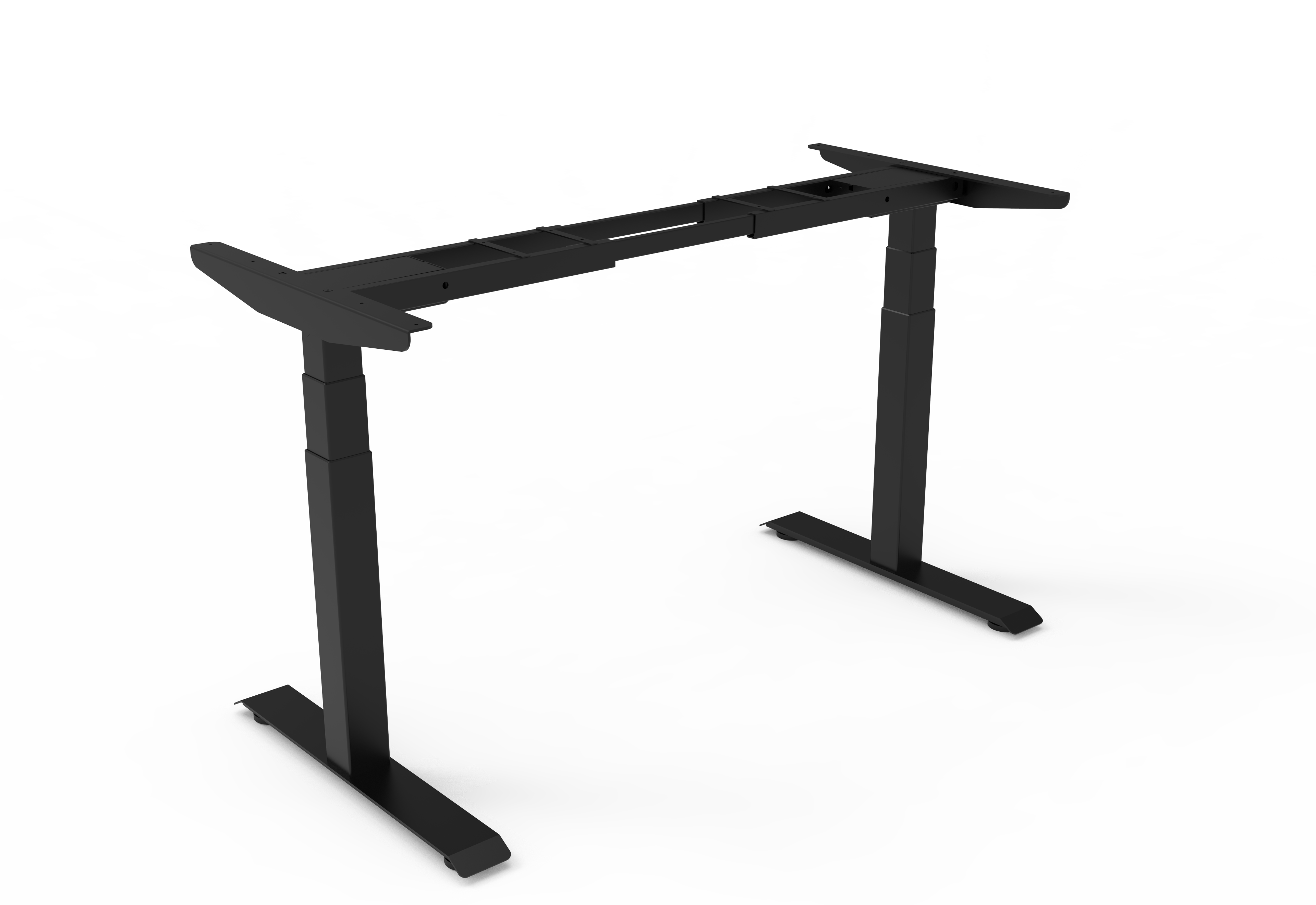
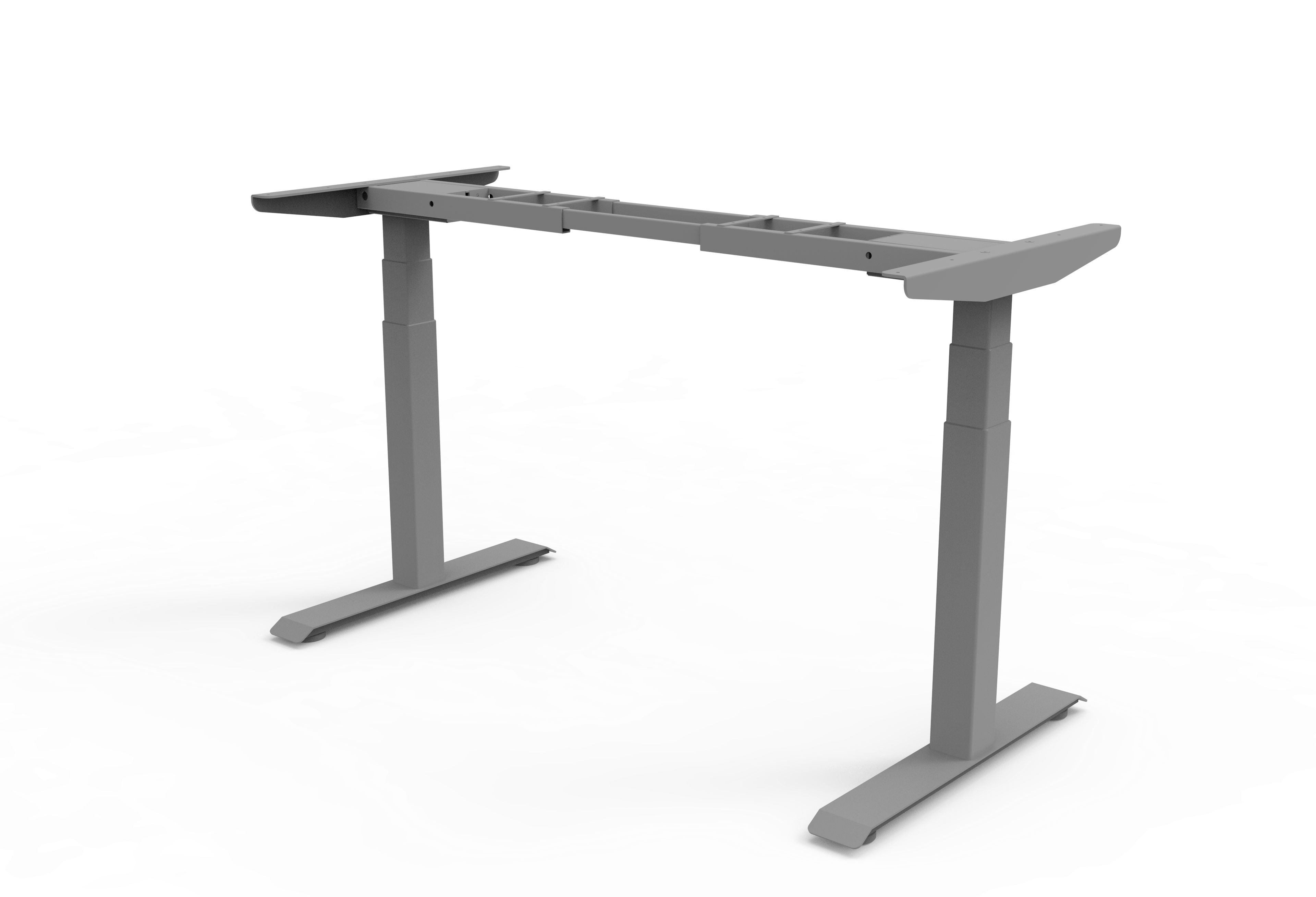
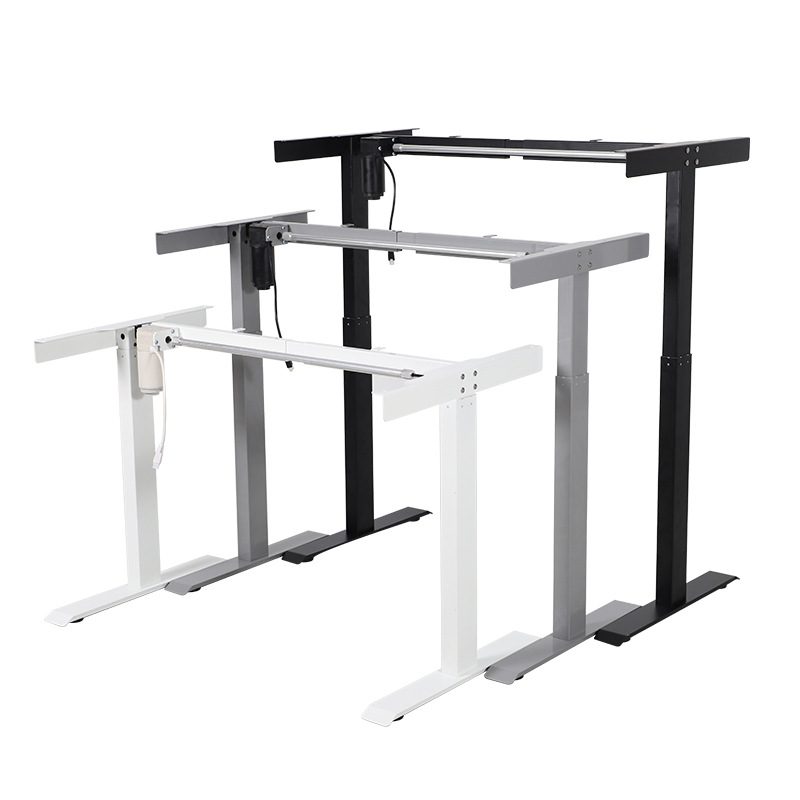
When an office area must serve focused work, small-group discussion, and ad hoc collaboration, fixed-height workstations limit reconfiguration. Electric standing desks and adjustable desk frames allow the same table to adapt to different users, tasks, and times of day. Buyers should look at height range, operating noise, memory presets, and other factors that directly affect daily experience, and ask suppliers for verifiable specifications.
2. Modular desk frames reduce fit-out complexity
Fit-out contractors and office furniture brands increasingly need to adjust layouts without replacing entire systems. Modular desk frames, interchangeable accessories, and clear installation instructions can shorten on-site work and reduce rework risk. For OEM/ODM customers, confirm whether the supplier supports customization of dimensions, colors, and interfaces, and what the customization timeline looks like—these commercial details must be confirmed with ETUP case by case.
3. Lifting systems must align with the overall space experience
The hospitality effect is about the overall experience, not a single piece of furniture. The stability of lifting systems, ease of use of controllers, and cable management all influence how employees perceive a space. When comparing suppliers, buyers can request sample testing, installation guidance, and after-sales support documentation rather than relying on marketing materials alone.
Practical buyer checklist: what to ask when evaluating standing desk suppliers
- Specifications and compatibility: What is the height range, which desktop sizes do the frames support, and do controller interfaces meet project requirements? Ask ETUP for verifiable specification sheets.
- Certifications and compliance: Are the certifications and documents required by the target market (Europe, North America, the Middle East, Southeast Asia) available? Request certificate numbers and verify them independently.
- MOQ and lead times: What are the minimum order quantity, sample timeline, and bulk lead time? These are commercial terms—contact ETUP to confirm.
- Customization capability: Does OEM/ODM support custom dimensions, colors, branding, and packaging? Confirm the customization process and cost structure in writing.
- Quality and testing: Are there traceable test records, warranty terms, and spare parts policies? Avoid unverifiable verbal promises.
- Installation and after-sales: Are installation instructions, technical documentation, and regional support provided? For fit-out contractors, this directly affects project schedules.
- Packaging and logistics: Is packaging suitable for transport and warehousing in the target market? Is the damage-handling process clear?
Action points for distributors and brands
In response to office upgrade trends, distributors and office furniture brands can position adjustable workstations as part of a solution rather than selling isolated desks. Practical steps include separating standard and custom configurations in quotations, preparing compliance documents for target markets in advance, and agreeing on clear sample and bulk delivery milestones with suppliers. Enterprise buyers can include employee-experience indicators (such as ease of desk adjustment) in procurement evaluation, but should not treat industry trend articles as evidence of product performance.
Conclusion
The hospitality effect reflects a shift from single-function offices to composite experiences. For the B2B standing desk supply chain, the real opportunity lies in helping customers turn flexible-work ambitions into reality through verifiable product specifications, clear customization processes, and reliable delivery support. All commercial details are subject to written confirmation from ETUP.
Sources
Topic signal: Office Insight, “The Hospitality Effect and Reimagining the Office for a New Era,” October 5, 2026. https://officeinsight.com/homepage-feature/the-hospitality-effect-and-reimagining-the-office-for-a-new-era/. This article uses the source only as an industry topic signal and does not treat it as proof of ETUP product performance or market data.