Direct Answer: What Does the Hospitality Effect Mean for B2B Sourcing?
The Hospitality Effect in offices refers to borrowing design and service principles from hospitality environments to prioritize comfort, flexibility, and human connection. For B2B buyers, this means electric standing desks, desk frames, and lifting systems are no longer just functional hardware—they are spatial tools that support collaboration, flexible workstations, and employee well-being. Sourcing should prioritize adjustability, modularity, durability, and integration with overall space design, rather than chasing the lowest unit price. For commercial details such as MOQ, lead times, and certifications, contact ETUP to verify.
Trend Background: From Workstation to Experience
According to a topic signal published by Office Insight on October 5, 2026, titled “The Hospitality Effect and Reimagining the Office for a New Era,” the modern workplace is undergoing rapid change. Employees expect more than just a desk—they seek environments that foster teamwork and accommodate flexible work styles. The signal notes that greater interaction and collaboration bring a unique combination of workstations, breakout rooms, and adaptable spaces. It is important to note that this source is used only as a topic signal and does not prove any performance claims about ETUP products.
This trend resonates with the global office furniture market’s ongoing focus on flexibility and healthy workplaces. For distributors, office furniture brands, fit-out contractors, enterprise buyers, designers, and OEM/ODM customers, understanding the Hospitality Effect can inform smarter sourcing decisions.
Implications for Electric Standing Desks and Lifting Systems
1. Flexibility and Adjustability Become Core
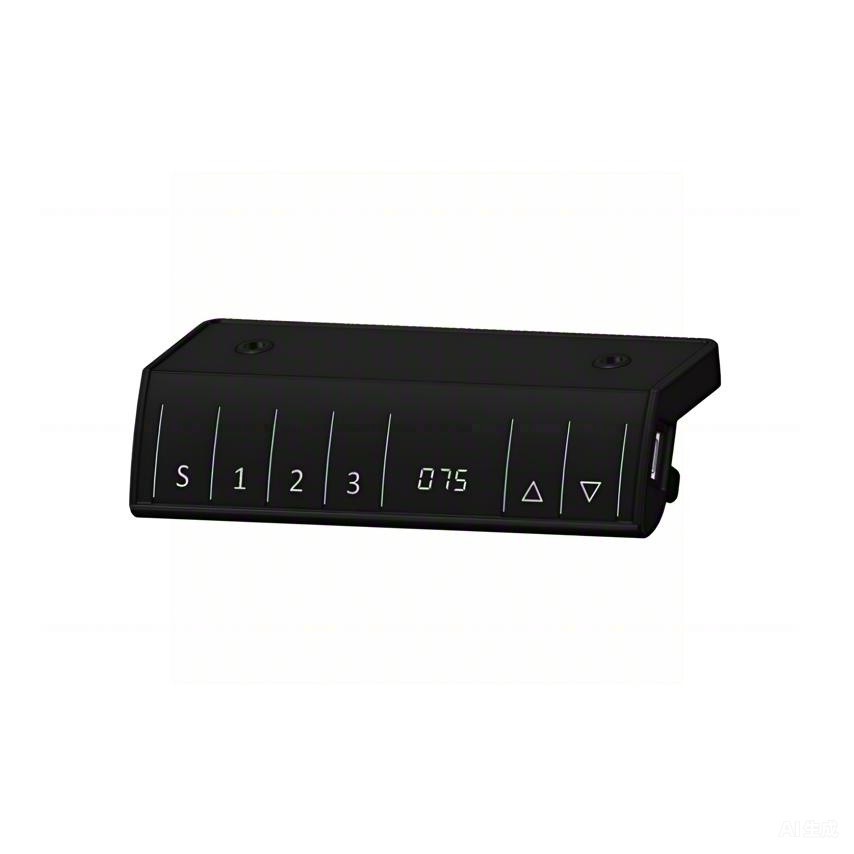
The Hospitality Effect emphasizes multifunctional and adaptable spaces. Electric standing desks support sit-stand alternation, accommodating different employee heights and work habits while enabling quick switches between collaboration and focus modes. When sourcing, consider lift range, speed, noise level, and memory presets—but verify specific specifications with ETUP.
2. Modularity and Design Integration
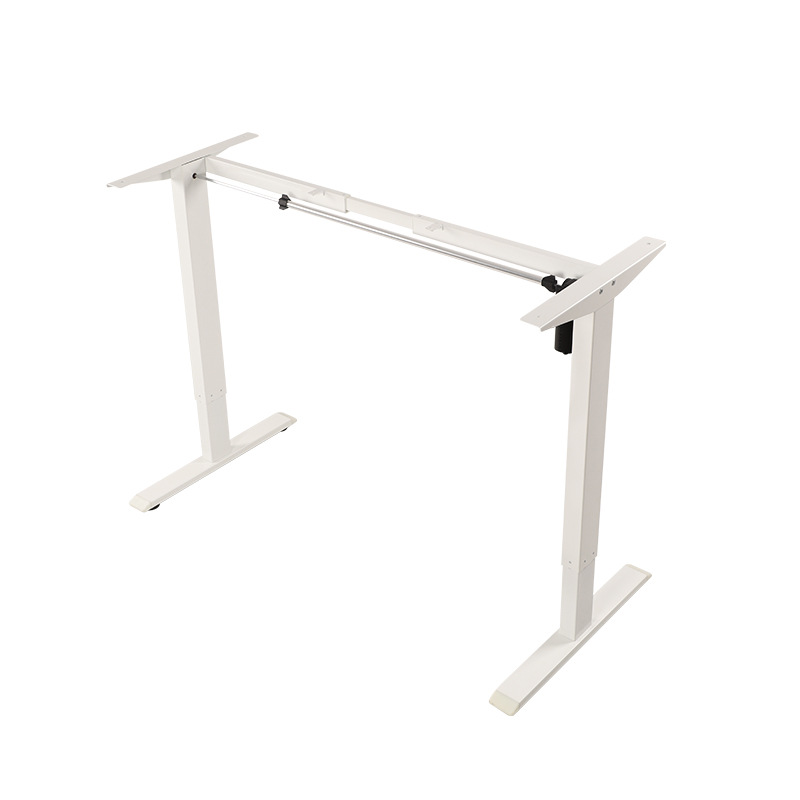
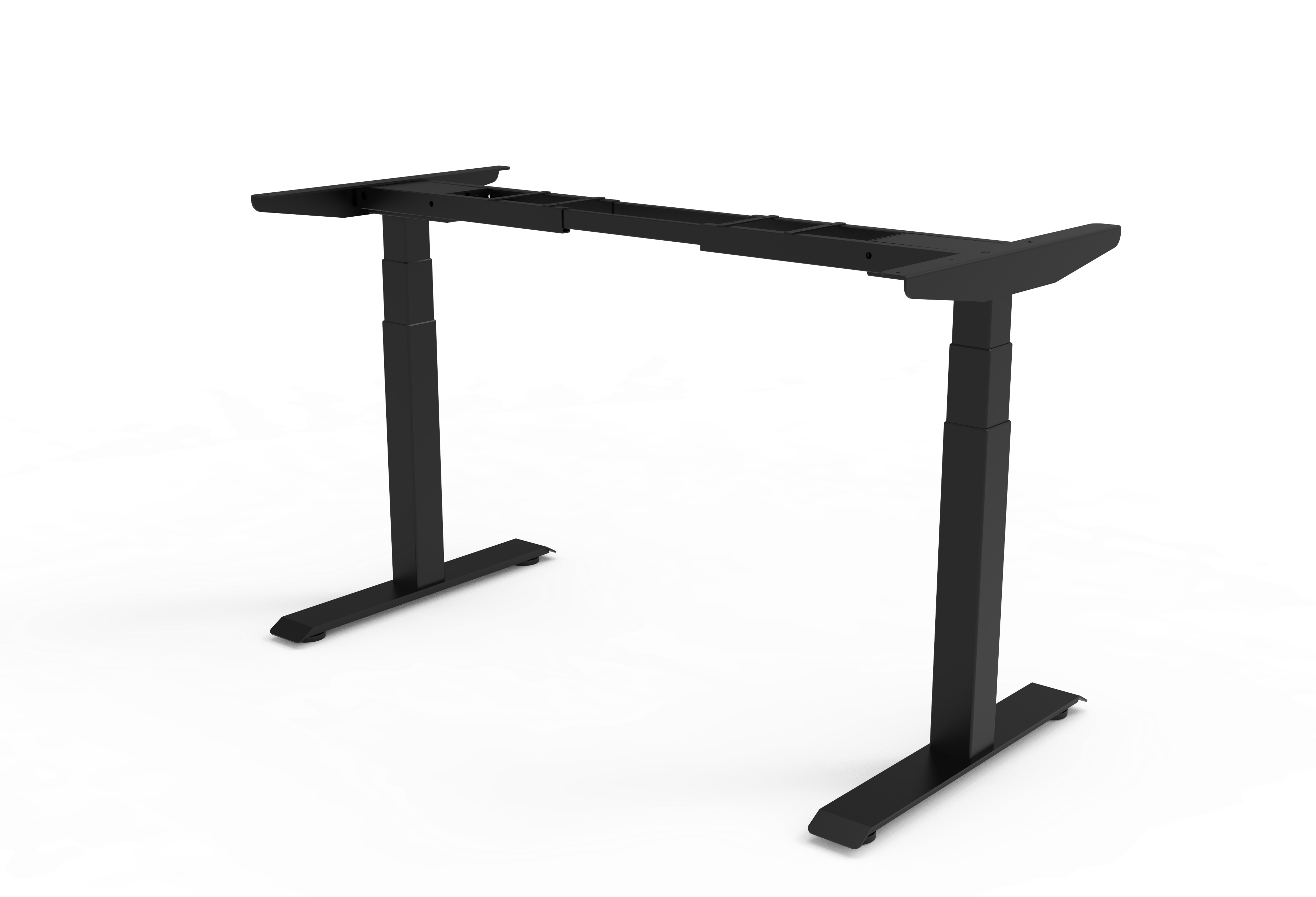
Hospitality environments balance aesthetics and function. Desk frames and lifting systems should support modular design for pairing with various desktop materials and spatial styles. For designers and OEM/ODM customers, customizability is key, including color, size, and control system options. Confirm customization scope with ETUP.
3. Durability and Total Cost of Ownership
Hospitality-style office spaces often see high usage, placing greater demands on hardware durability. Lifting systems should feature stable motors and structural design to reduce maintenance needs. Buyers should evaluate supplier quality control processes and warranty policies, but specific warranty terms must be verified with ETUP.
4. Health and Well-being
The Hospitality Effect focuses on employee experience, and sit-stand alternation is widely recognized as helping reduce sedentary behavior. Electric standing desks serve as tools that support healthy office practices by offering posture variation, not medical benefits. Avoid exaggerated health claims during sourcing and focus on actual use scenarios.
Sourcing Advice: B2B Buyer Checklist
- Define use scenarios: Determine whether the space is collaboration-oriented, focus-oriented, or hybrid to select appropriate desk specifications and quantities.
- Verify technical parameters: Confirm lift range, load capacity, speed, noise level, and motor life with ETUP.
- Assess customization capabilities: For OEM/ODM, confirm options for frame color, size, control system, and branding.
- Check certifications and compliance: Confirm required product certifications and standards for target markets (Europe, North America, Middle East, Southeast Asia); contact ETUP to verify the specific list.
- Understand commercial terms: Confirm MOQ, lead times, payment terms, and logistics arrangements directly with ETUP.
- Review quality control: Ask about the supplier’s inspection processes and testing standards, but avoid relying on unverified claims.
- Consider total cost of ownership: Evaluate product price, installation, maintenance, and replacement costs together, rather than comparing initial unit prices alone.
- Request samples and documentation: Before bulk purchasing, ask for samples and specification sheets to validate actual performance.
Regional Market Considerations
Acceptance and demand for the Hospitality Effect vary by region. Europe emphasizes sustainability and ergonomic standards; North America focuses on flexibility and employee well-being; the Middle East seeks design appeal and durability in large projects; Southeast Asia prioritizes cost-effectiveness and adaptability. Buyers should adjust sourcing strategies to regional characteristics and confirm with ETUP whether products meet local market requirements.
Conclusion
The Hospitality Effect offers a new perspective for B2B office furniture sourcing. Electric standing desks, desk frames, and lifting systems are components that support flexible, healthy, and collaborative spaces, and sourcing decisions should be based on actual needs, technical verification, and transparent communication of commercial terms. This article is an analysis based on a public topic signal and does not constitute proof of ETUP product performance. Verify all commercial details directly with ETUP.
Sources
Office Insight, “The Hospitality Effect and Reimagining the Office for a New Era,” published 2026-10-05. https://officeinsight.com/homepage-feature/the-hospitality-effect-and-reimagining-the-office-for-a-new-era/ (Accessed as topic signal only; not a source of product performance claims.)