Direct Answer: What Does This Mean?
Humanscale’s senior appointments across Europe and Asia Pacific indicate that the company is strengthening local sales support and channel management. For B2B office furniture buyers, this typically means sharper brand competition, faster local response, and potentially more flexible channel partnership opportunities. However, this signal alone does not prove any specific product performance or pricing advantage. Buyers should treat it as an indicator of market activity and use it to reassess their own supply chain responsiveness and differentiation strategy.
Signal Interpretation: Why Leadership Appointments Matter
According to Office Insight (used here only as a topic signal, not as factual endorsement), Humanscale announced several international leadership appointments in October 2026, including a Sales Director for the DACH region and three new leaders across Asia Pacific. Such personnel changes often reflect a shift in strategic focus: from export-led to localized operations, and from broad coverage to deeper penetration in key markets.
For distributors and office furniture brands, this means:
- Stronger local support: With local sales leaders in place, brand owners may respond faster and tailor project support and channel policies to regional needs.
- Increased competition: Premium brands investing more in regions can squeeze mid-market pricing, but may also raise overall category awareness.
- Partnership windows: New leaders often adjust channel strategies, creating potential opportunities for distributors and OEM buyers to negotiate or collaborate.
These are common industry inferences, not direct statements from the source. Buyers should judge based on their own market conditions.
Practical Implications for ETUP Customers and Prospective Buyers
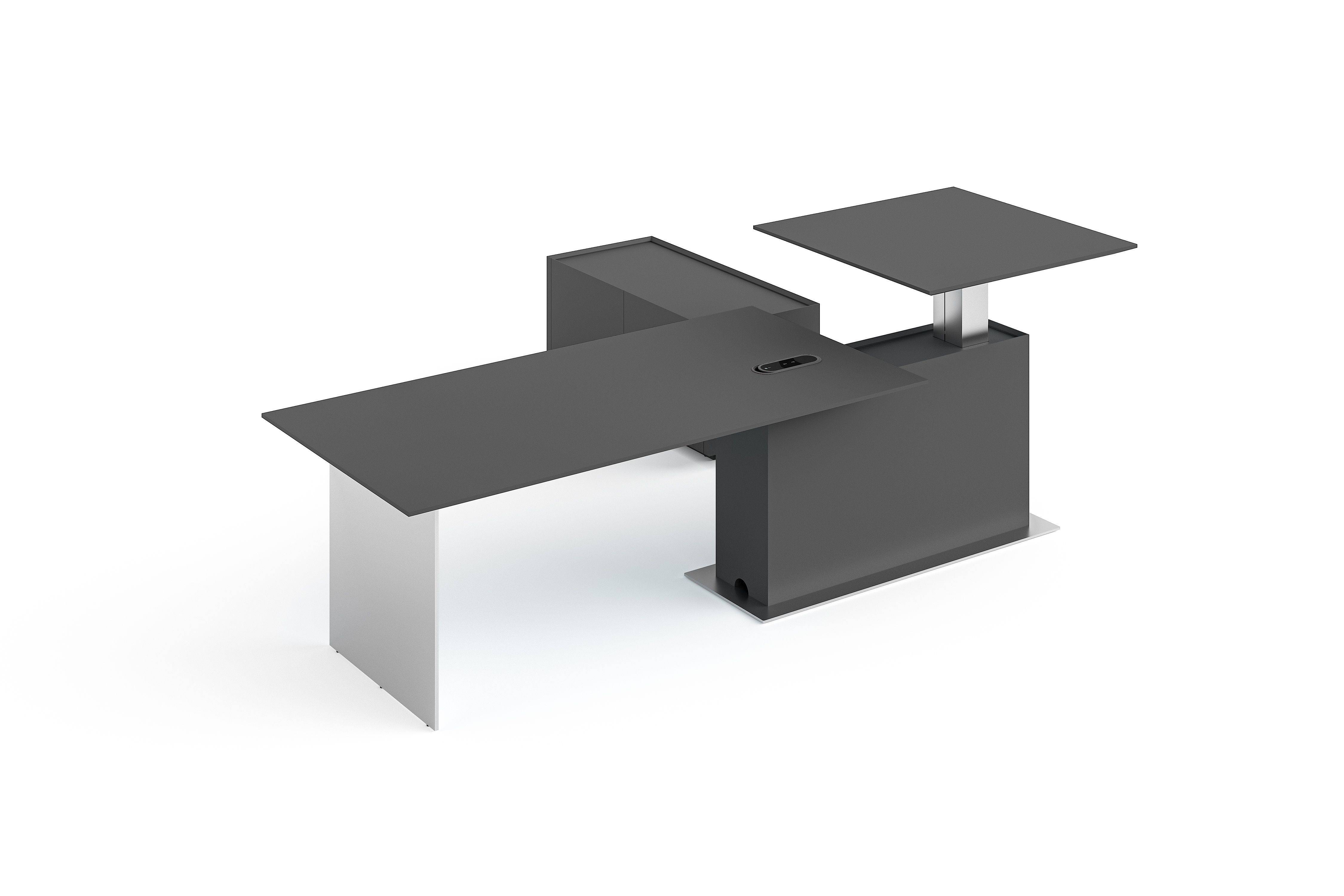
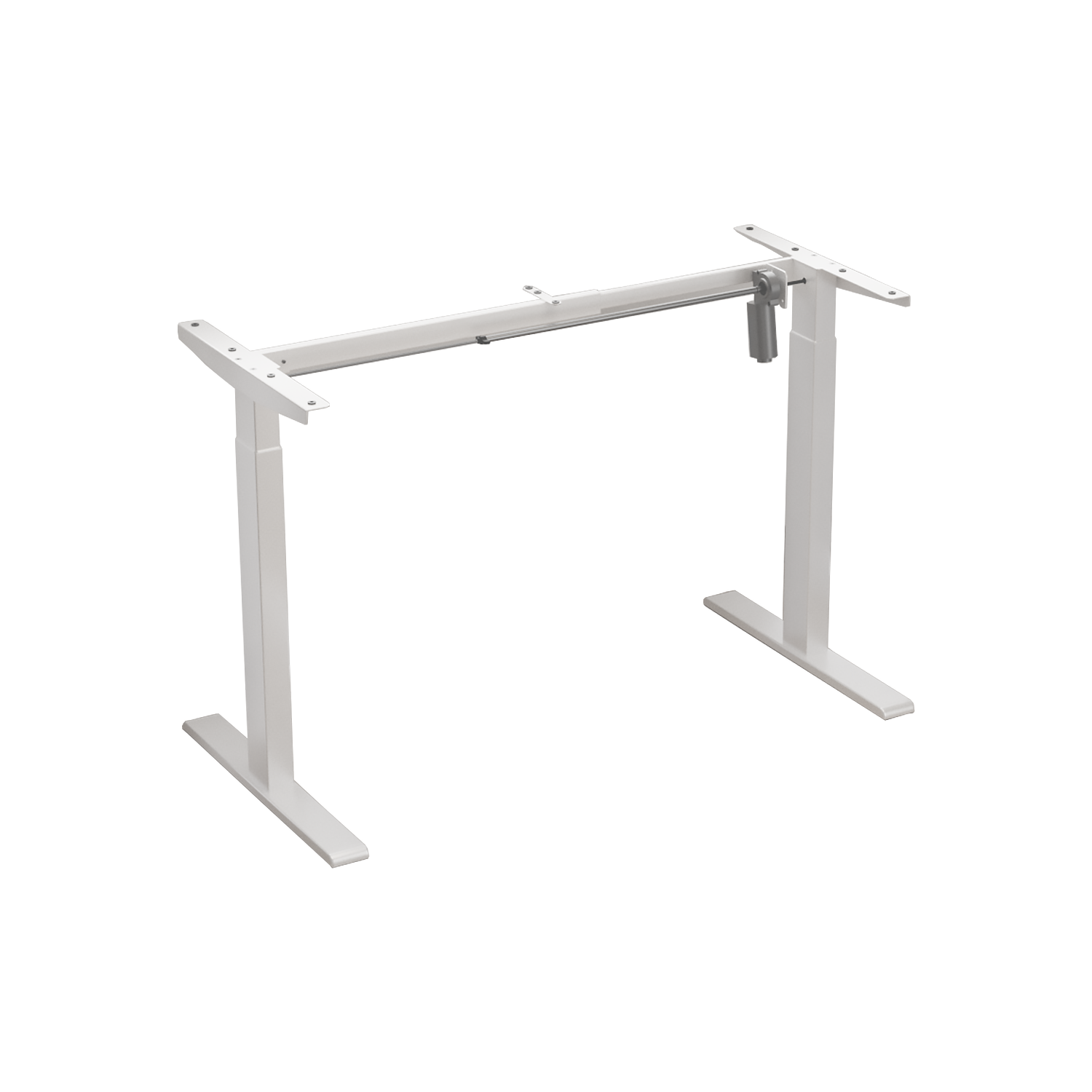
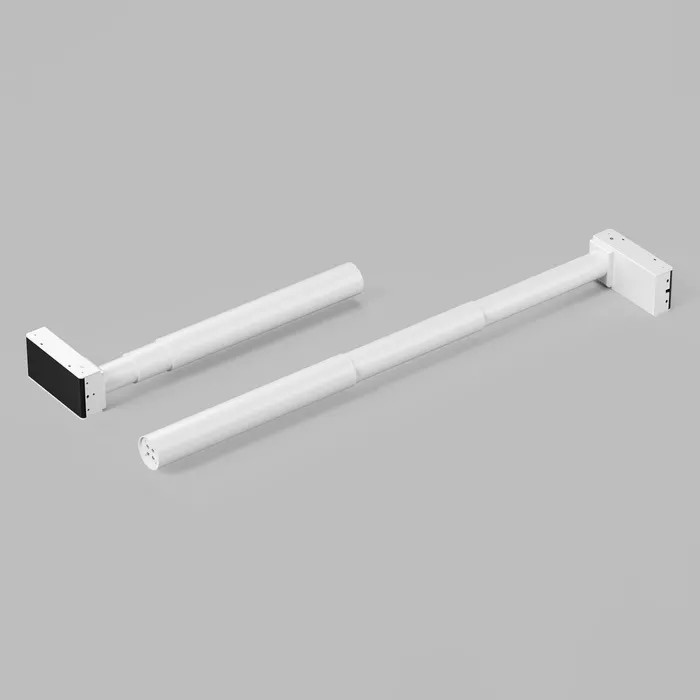
ETUP supplies B2B electric standing desks, desk frames, and lifting systems to distributors, office furniture brands, fit-out contractors, enterprise buyers, designers, and OEM/ODM customers. Humanscale’s move has several implications for buyers in the ETUP ecosystem:
1. Distributors: Focus on Brand Competition and Supply Chain Flexibility
As international brands strengthen regional sales, distributors may face more direct brand competition. Choosing suppliers with stable delivery capability and flexible customization becomes more important. ETUP’s electric standing desks and desk frames can help distributors build differentiated product lines, but specific MOQ, lead times, and certifications must be verified with ETUP.
2. Office Furniture Brands: OEM/ODM Partnerships Need Faster Response
Brand customers competing with international players need supply chains that are agile in sample development, order changes, and after-sales support. ETUP offers OEM/ODM services, but development cycles, minimum order quantities, and customization scope should be confirmed with ETUP.
3. Fit-out Contractors and Enterprise Buyers: Delivery Certainty Comes First
In large office projects, the delivery reliability of standing desks and lifting systems directly affects timelines. Buyers should require clear production lead times and logistics plans. For ETUP’s commercial details (such as capacity, lead times, and warranty), please contact ETUP to verify.
4. Designers: Focus on System Compatibility and Installation Convenience
When specifying lifting systems, designers need to consider compatibility with existing desk frames, control systems, and office layouts. ETUP’s lifting system product line offers multiple options, but technical specifications should be requested for confirmation.
Practical Buyer Checklist: What to Ask When Evaluating Suppliers
Regardless of Humanscale’s moves, the following checklist helps B2B buyers systematically evaluate electric standing desk and lifting system suppliers:
- Certifications and compliance: Does the product hold certifications required in the target market (e.g., CE, UL, BIFMA)? Ask ETUP for copies of currently valid certificates.
- MOQ and pricing: What is the minimum order quantity? How does tiered pricing work? Contact ETUP for a formal quotation.
- Lead times and capacity: What are standard lead times and peak-season capacity? Confirm current production schedules with ETUP.
- Warranty and after-sales: What are the warranty terms and after-sales response process? Verify specific terms with ETUP.
- Customization: Are size, color, control system, or branding customizations supported? Discuss OEM/ODM feasibility with ETUP.
- Testing and quality: Are there internal testing processes or third-party test reports? Request relevant documents from ETUP.
- Logistics and packaging: Are packaging and logistics requirements for the target market supported? Confirm with ETUP.
All commercial details above must be confirmed directly with ETUP before purchase. This article does not constitute any commitment.
Regional Market Differences: Europe, North America, the Middle East, and Southeast Asia
Humanscale’s appointments cover Europe and Asia Pacific, but buyer priorities vary by region:
- Europe: Strict compliance requirements; buyers should prioritize CE and environmental standards. The DACH region particularly values product documentation and after-sales support.
- North America: BIFMA standards and UL certification are often required; buyers should confirm whether suppliers have relevant test reports.
- Middle East: Project-based procurement is common; lead times and climate adaptability may be more critical. Buyers should confirm suppliers’ logistics capabilities and product suitability.
- Southeast Asia: Higher price sensitivity and attention to delivery speed; buyers can evaluate suppliers’ capacity and regional logistics solutions.
ETUP has service experience in these regions, but specific market access requirements and product configurations should be verified with ETUP.
Conclusion: Use Signals to Calibrate Strategy, Not Replace Due Diligence
Humanscale’s international leadership changes are a market signal worth noting. They remind B2B buyers that global brands are increasing regional investment, making local supply chain responsiveness and differentiated value more important. However, buyers should not equate this signal with any supplier’s product advantage. Use this checklist as a starting point for supplier evaluation and request the latest, specific commercial and technical information from ETUP.
This is a draft for human review and must not be treated as published content. All commercial details must be confirmed with ETUP.
Sources
Office Insight, “Humanscale Strengthens International Leadership with Key Appointments Across Europe and Asia Pacific,” published 2026-10-09. Original link (used only as a topic signal; does not constitute endorsement of ETUP products).