Direct Answer
Studio TK's Harbour collection combines modular storage with configurable tables or seating, reflecting hybrid work's ongoing demand for multi-purpose furniture. For B2B suppliers of standing desks, desk frames, and lifting systems, this signal suggests that buyers are increasingly focused on flexibility, space adaptability, and integration—not just single functions. As a B2B supplier of electric standing desks, desk frames, and lifting systems, ETUP recommends that distributors, office furniture brands, fit-out contractors, and enterprise buyers include "reconfigurability" and "system compatibility" in their procurement criteria. For specific commercial details such as MOQ, lead times, and certifications, contact ETUP to verify.
Interpreting the Trend Signal
According to Office Insight (used here only as a topic signal, not as evidence of product performance), Studio TK has introduced Harbour Hybrid Storage Seating and Tables, designed by Alyssa Coletti. The collection addresses the fluid nature of hybrid work by combining modular storage with configurable tables or seating, allowing designers to transform a space with a single element. This is not an isolated event but part of the office furniture industry's ongoing response to flexible work demands.
For the standing desk and lifting system category, the implication is that end users are no longer satisfied with fixed-height workstations. They want furniture that adapts to different tasks, occupancy levels, and layouts. The boundaries between storage, seating, and work surfaces are blurring, requiring underlying hardware and lifting systems to offer higher integration and adjustability.
Practical Implications for B2B Buyers
1. Distributors and Office Furniture Brands
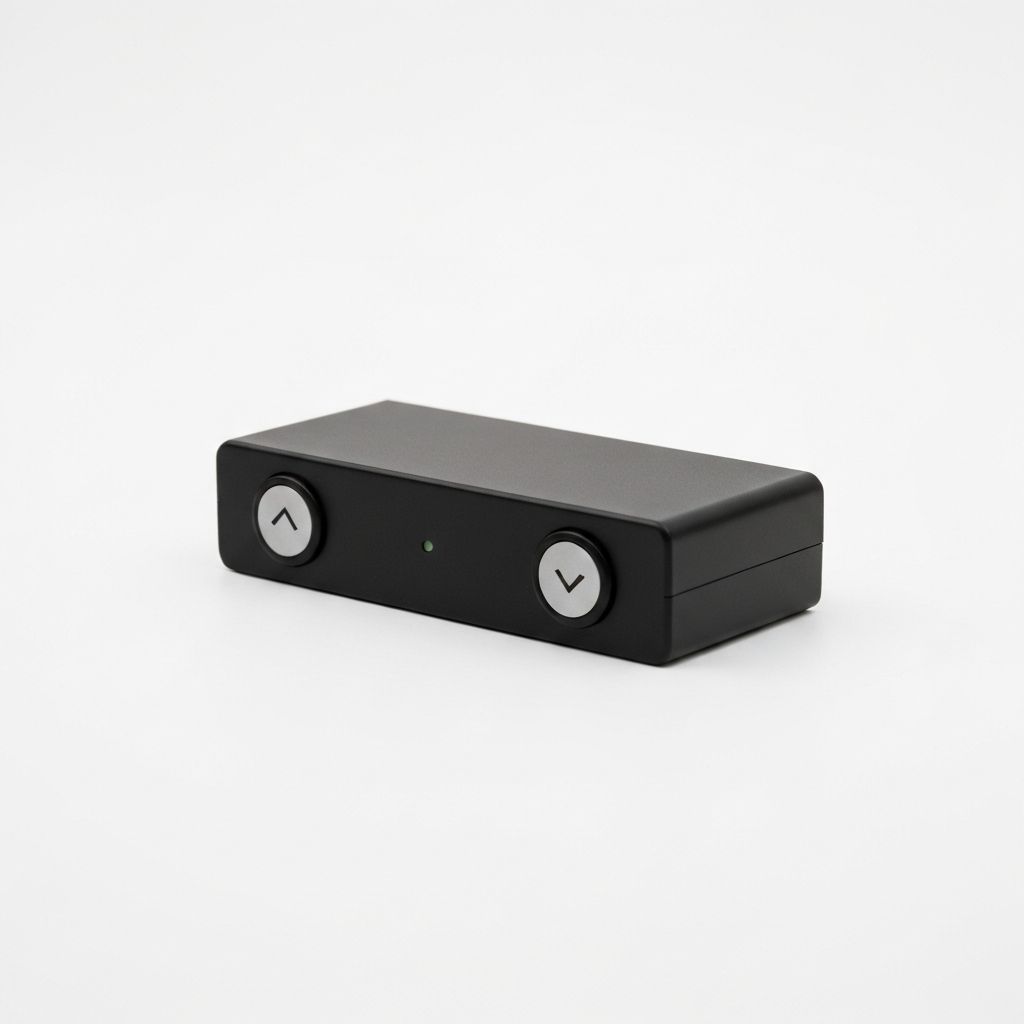
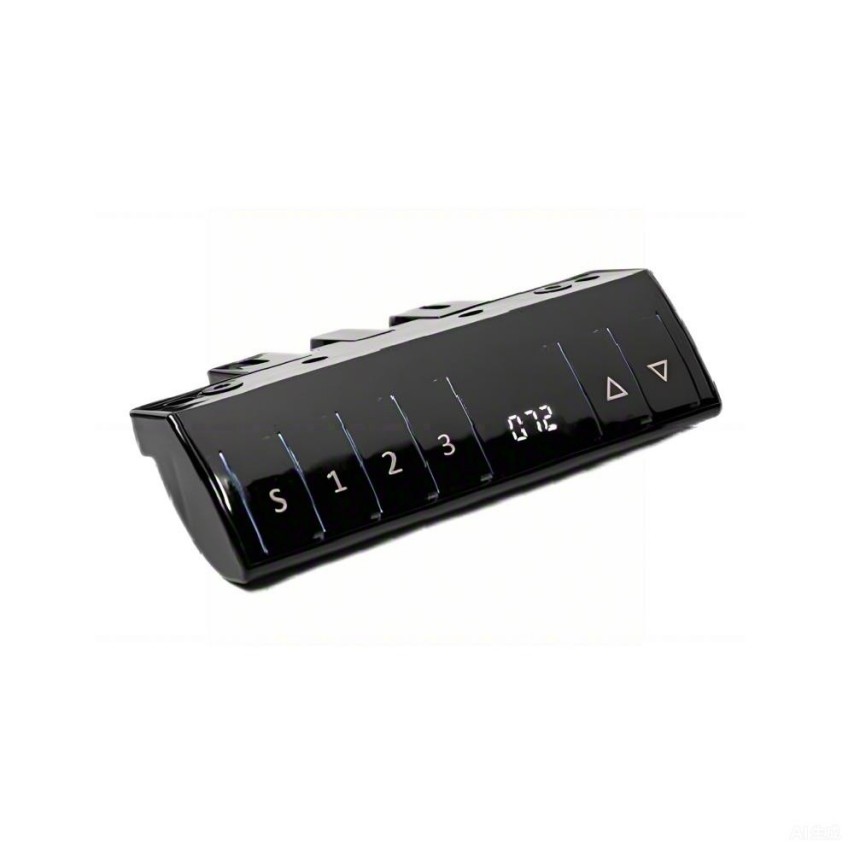
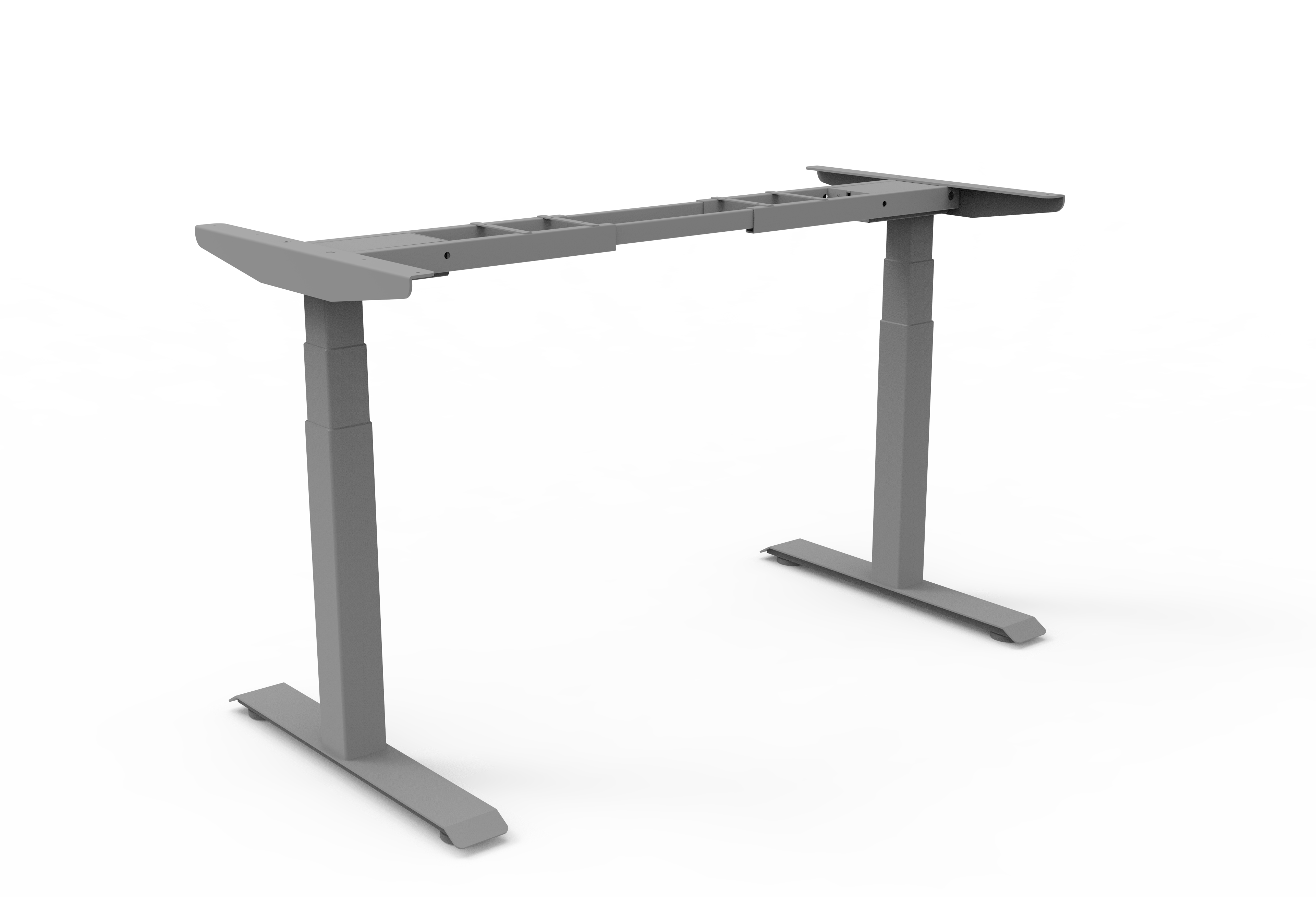
Distributors and brands need more flexible SKU combinations. If a project requires integrated storage and work surfaces, desk frames and lifting systems should accommodate non-standard desktop sizes and add-on modules. ETUP offers various desk frame and lifting system options, but specific load capacity, stroke, and compatibility must be verified with ETUP.
2. Fit-out Contractors and Designers
When planning hybrid office spaces, fit-out contractors and designers increasingly focus on furniture reconfigurability. Lifting systems that support quick height and layout adjustments can reduce the complexity of future renovations. We recommend confirming installation interfaces and cable management with suppliers early in the project.
3. Enterprise Buyers
Beyond price and lead time, enterprise buyers should consider whether standing desks support future space adjustments. Modular design can lower long-term reset costs, but durability and maintenance requirements of lifting systems must be confirmed. ETUP recommends that buyers specify technical requirements and acceptance criteria in contracts.
4. OEM/ODM Customers
OEM/ODM customers may want to integrate lifting systems into their own furniture designs. The emergence of hybrid furniture like Harbour suggests potential growth in demand for compact, low-noise lifting systems. ETUP can discuss customization, but all specifications and certifications must be confirmed at the project level.
Key Considerations in Procurement Decisions
Procuring hybrid office furniture is no longer just about comparing unit prices. The following factors deserve evaluation:
- System compatibility: Whether desk frames accommodate different desktop thicknesses and sizes, and support add-on storage modules.
- Adjustment range: Whether height adjustment covers seated and standing needs; specific values must be verified with the supplier.
- Installation and maintenance: Complexity of installation, cable management, and ease of maintenance for lifting systems.
- Certifications and compliance: Electrical safety and environmental requirements in target markets (e.g., Europe, North America); confirm certification documents provided by the supplier.
- Supply stability: Lead times, MOQ, and capacity must be confirmed directly with the supplier to avoid project delays.
Practical Buyer Checklist
Use the following checklist when evaluating standing desk, desk frame, or lifting system suppliers:
- Define the required height adjustment range, load capacity, and desktop dimensions for the project.
- Confirm whether the lifting system supports modular expansion (e.g., add-on storage or seating components).
- Request certification documents for target markets (e.g., CE, UL) and verify their validity.
- Ask about MOQ, sample policy, lead times, and packaging methods.
- Understand the availability of installation instructions and technical support.
- Confirm warranty terms and after-sales response processes.
- For OEM/ODM projects, discuss design files, tooling, and intellectual property ownership.
- Request test reports or quality documents (if available) and verify them independently.
For specific commercial details in this checklist, contact ETUP to verify.
Conclusion
Studio TK's Harbour collection is a signal of hybrid office furniture trends, not evidence of standing desk product performance. For B2B buyers, the real value lies in incorporating flexibility, compatibility, and reconfigurability into procurement criteria. As a supplier of electric standing desks, desk frames, and lifting systems, ETUP recommends that buyers engage suppliers early in the project to discuss technical requirements and commercial terms, reducing integration risks. This article is a draft for human review and must not be treated as published content.
Sources
Topic signal source: Office Insight, Studio TK Introduces Harbour with Hybrid Storage Seating and Tables (published 2026-10-17). Used for industry trend reference only; does not represent ETUP product performance or certifications.