Direct Answer: What Kind of Standing Desk Does Hybrid Work Require?
Hybrid work is not simply "office plus remote"—it redefines office space flexibility. For B2B buyers, choosing electric standing desks, desk frames, and lifting systems should prioritize three things: space adaptability (can it be reconfigured quickly?), reliability (durability under frequent adjustment), and supply chain verifiability (lead times, certifications, customization). As a B2B supplier of electric standing desks, desk frames, and lifting systems, ETUP recommends confirming all commercial details—MOQ, lead times, certifications, and customization options—directly with ETUP before making a decision.
Why Hybrid Work Drives Demand for Adjustable Desks
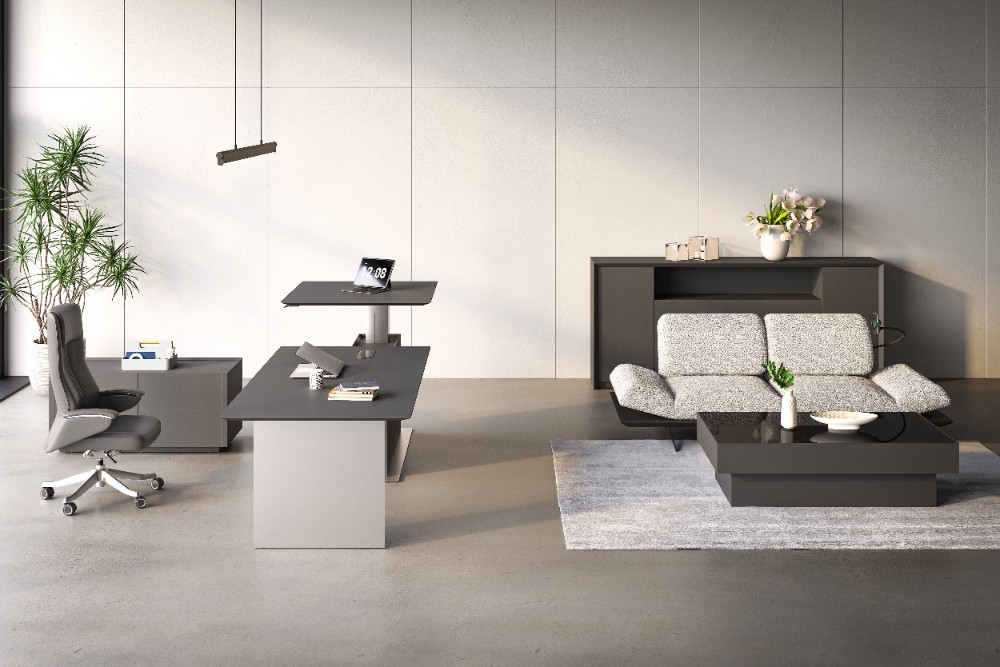
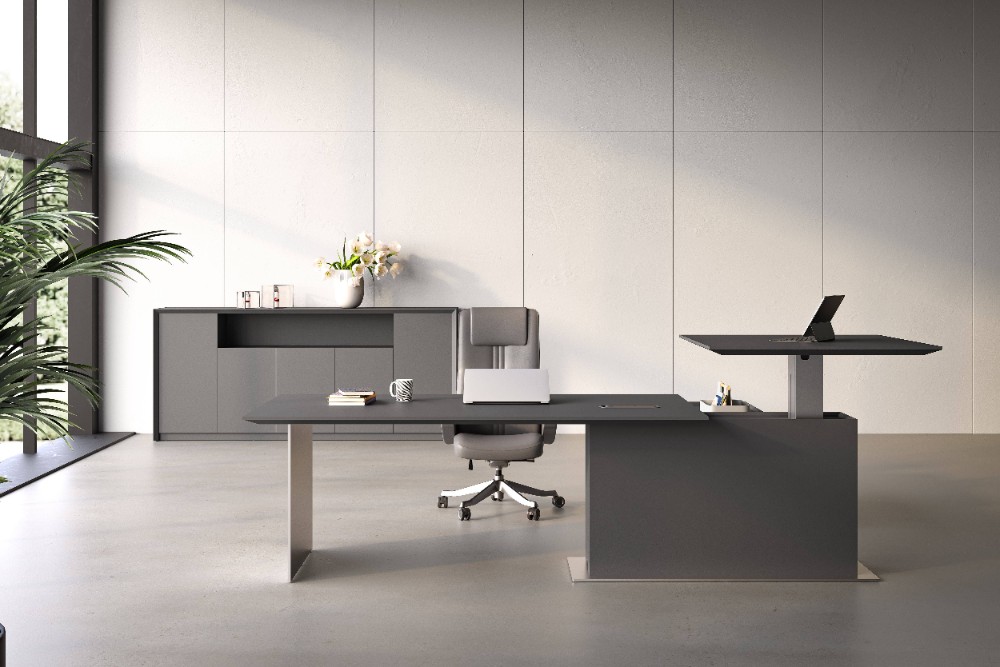
According to a recent JLL discussion on hybrid work (used here only as a topic signal; see Sources), companies are rebalancing office and remote environments to support business success. The impact on office furniture is direct: offices are shifting from fixed workstations to hybrid layouts that combine collaboration and focus. Height-adjustable desks provide exactly this flexibility—one desk can adapt to different employees, tasks, and times of day.
For distributors, office furniture brands, fit-out contractors, and enterprise buyers, this changes the procurement logic: you are no longer just buying desks, but a scalable, maintainable, and customizable lifting solution.
Four Key Dimensions for B2B Procurement
1. Product Form: Complete Desk, Desk Frame, or Lifting System?
ETUP supplies B2B electric standing desks, desk frames, and lifting systems. Buyers should choose based on their business model:
- Complete desk: Suitable for end users or projects requiring rapid deployment.
- Desk frame: Suitable for furniture brands or contractors who want to pair with their own tabletops, controlling cost and design consistency.
- Lifting system: Suitable for OEM/ODM customers integrating lifting columns and controllers into their own products.
For specific product specifications, load capacity, and adjustment ranges, please contact ETUP to verify.
2. Reliability and Durability
In hybrid settings, desks may be adjusted frequently by different employees. Buyers should consider motor life, control system stability, and structural strength. ETUP recommends requesting samples for real-world testing before bulk orders, and confirming warranty terms and testing standards with ETUP.
3. Compliance and Certification
Different markets have different requirements for electrical safety, environmental performance, and ergonomics in office furniture. Buyers in Europe, North America, the Middle East, and Southeast Asia should clarify target market certification requirements and confirm available documentation with ETUP. This article does not claim that ETUP holds any specific certification; please rely on ETUP's official confirmation.
4. Supply Chain and Customization
For distributors and OEM/ODM customers, lead time stability, minimum order quantity (MOQ), and customization flexibility are critical. ETUP's B2B model supports customization of desk frames and lifting systems, but specific MOQ, lead times, and customization scope must be confirmed directly with ETUP.
Selection Recommendations for Hybrid Scenarios
Different spaces have different needs:
- Open office: Prioritize frame stability and cable management for batch deployment.
- Shared workstations: Need fast, quiet lifting systems to minimize disruption.
- Home office: Complete desk solutions are easier to install; consider packaging and logistics friendliness.
- Meeting and collaboration areas: Consider integrating lifting systems into special tables or collaboration desks.
Designers and contractors should engage ETUP early with project requirements to confirm product fit and technical parameters.
Practical Buyer Checklist
Before requesting a quote from ETUP or any supplier, prepare the following:
- Target market and required certifications (e.g., CE, UL—verify applicability yourself)
- Estimated order quantity and batch schedule (to confirm MOQ and lead time)
- Product form: complete desk, desk frame, or lifting system
- Tabletop size and load capacity requirements
- Height adjustment range and speed requirements
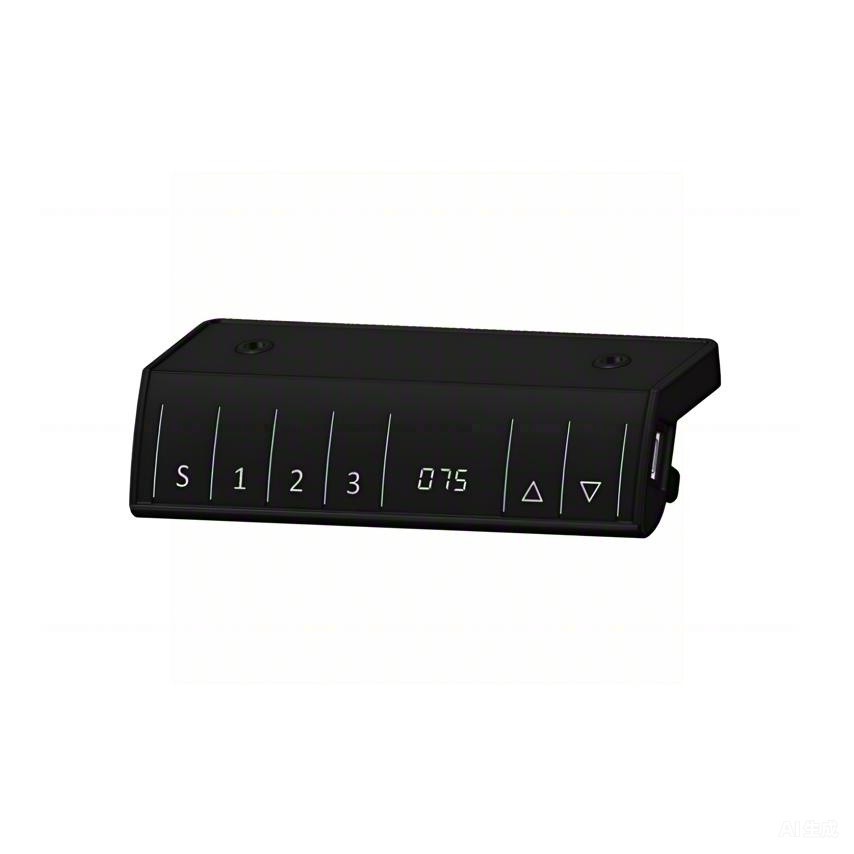
- Control method (handset, app, etc.) and memory function
- Cable management and accessory needs
- Packaging and logistics requirements (especially for cross-border orders)
- Warranty and after-sales support terms
- Sample requirements and testing standards
Provide this information to ETUP for accurate commercial quotes and technical confirmation.
FAQ
Does hybrid work mean lower demand for standing desks?
Not necessarily. Hybrid work may reduce fixed workstations but increases demand for flexible, adjustable furniture. Market trends should be assessed with local data; this article does not provide forecasts.
Does ETUP offer OEM/ODM services?
ETUP supplies B2B electric standing desks, desk frames, and lifting systems and supports B2B cooperation. For specific OEM/ODM scope, MOQ, and lead times, please contact ETUP.
How can I verify product quality?
Request samples, ask for test reports (if available), and conduct factory visits or video audits. ETUP can provide relevant information, but all commercial details are subject to the agreed contract.
Sources
This article is based on the following topic signal and does not copy the original content: JLL, "Hybrid work: balancing office and remote environments for business success," April 15, 2025. Original link. This source is used only to illustrate an industry topic and does not constitute proof of ETUP product performance.
This is a draft for human review only and must not be published automatically. Confirm all commercial details with ETUP.