Direct answer: what does hybrid work mean for office furniture procurement?
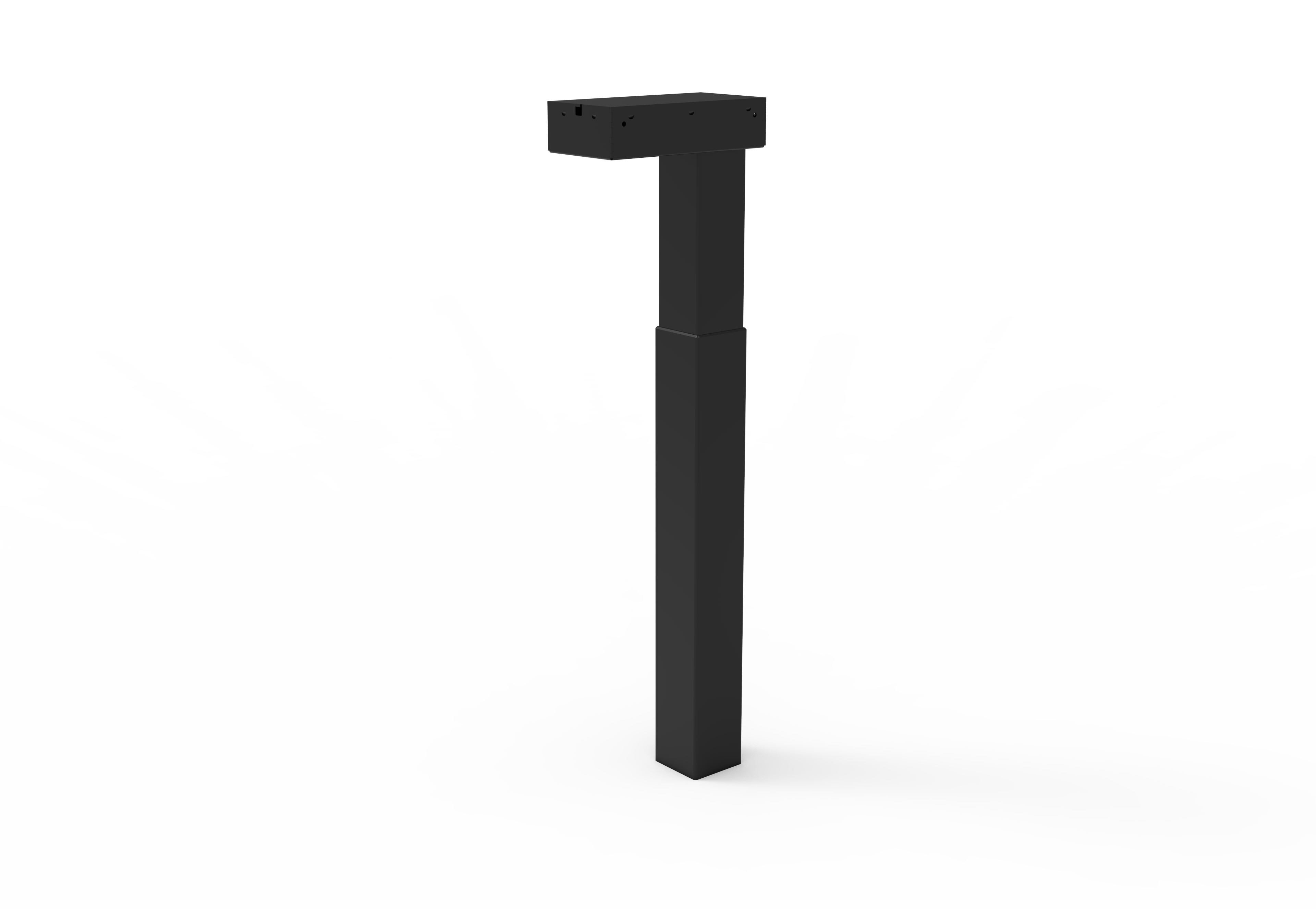
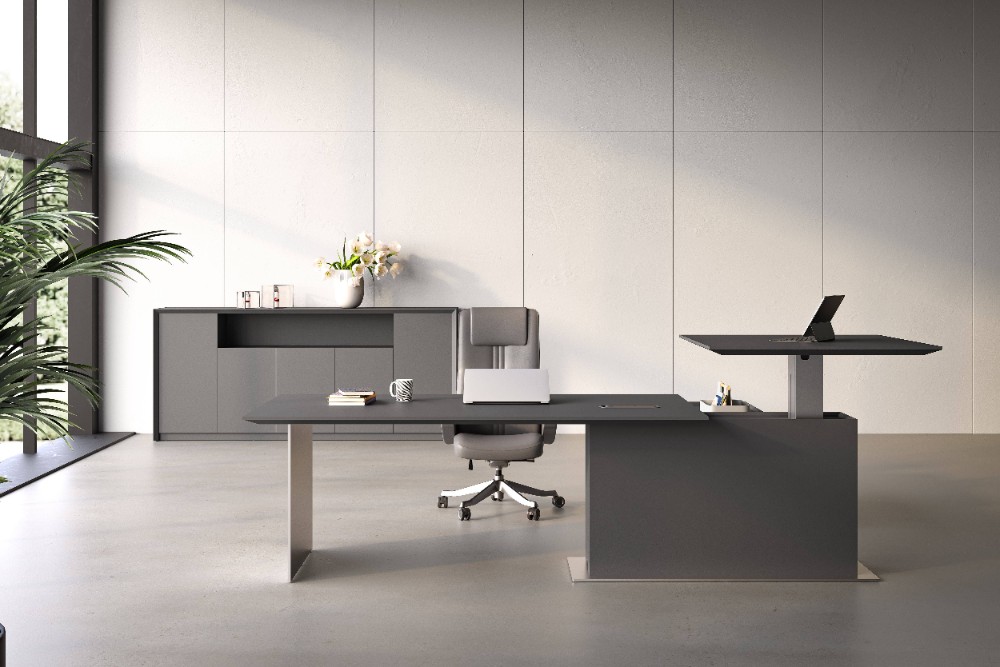
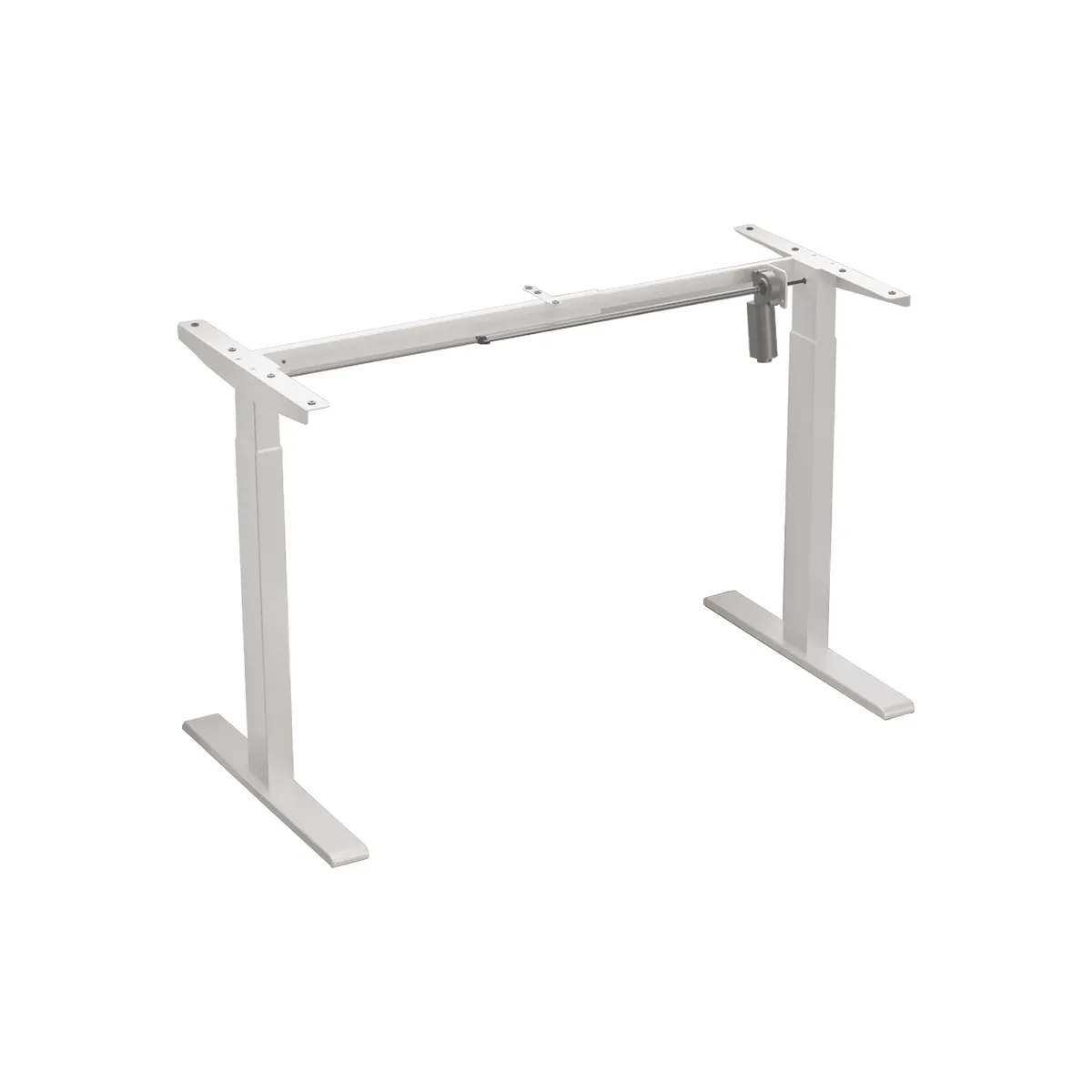
The core of hybrid work is not fewer desks—it is making the office deliver what remote work cannot: collaboration, training, cultural connection, and deep focus. For B2B buyers, this means furniture configuration must shift from 'one desk per person' to 'configuration by activity type,' changing the demand logic for standing desks, mobile furniture, and flexible workstation systems. As a B2B supplier of electric standing desks, desk frames, and lifting systems, ETUP recommends that buyers bring use cases, load requirements, certification needs, and delivery节奏 into evaluation early—rather than adding furniture to the list at the end of a fit-out.
Why hybrid work is reshaping procurement structure
A recent JLL discussion on hybrid work notes that organizations are rebalancing office and remote environments to support business success. This signal alone does not prove any product's performance, but it reflects an observable procurement trend: office footprints may shrink, while furniture functionality density per square meter rises. Buyers no longer ask only 'what does a desk cost'—they ask 'can this desk support sit-stand alternation, can it be reconfigured quickly, and can it be reused across floors?'
For distributors and office furniture brands, this means SKU structures need to be more flexible. For fit-out contractors, it means furniture must coordinate earlier with power, data, floor loading, and circulation. For enterprise buyers, it means procurement standards should shift from 'quantity matching headcount' to 'quantity matching peak usage scenarios.'
Three furniture demand types in hybrid work
1. Individual focus workstations
Even with remote work, offices still need workstations for deep work. The value of electric standing desks here is supporting sit-stand alternation—not stacking up specifications. Buyers should examine lift range, load capacity, operating noise, and control system stability, and request verifiable datasheets. Contact ETUP to verify specific load and noise figures; do not use this article as a performance basis.
2. Collaboration and shared workstations
Under hybrid work, shared desks and meeting tables are used more frequently. Buyers need to assess frame stability, mobility, and cable management. For OEM/ODM customers, frame interfaces, control box compatibility, and appearance customization scope should also be confirmed. Contact ETUP to verify these commercial details.
3. Flexible reconfiguration and renovation projects
Fit-out contractors increasingly need furniture systems that support quick disassembly and reuse. Frame structure, connector standardization, and packaging affect on-site installation efficiency and second-life cost. Buyers should specify these requirements at tender stage, not after delivery.
Three risks buyers often overlook
- Certification and compliance risk: Different markets have different electrical safety and furniture structure requirements. Buyers should request certification documents applicable to the target market and verify their validity independently. Contact ETUP to confirm its specific certification scope.
- Delivery rhythm risk: Hybrid work projects are often phased, and furniture delivery must match fit-out schedules. MOQ, lead times, and capacity must be confirmed before contract; this article provides no specific figures.
- After-sales and spare parts risk: Control boxes, motors, and hand controllers are wear components. Buyers should confirm spare parts supply and warranty terms; specific terms are subject to ETUP's official confirmation.
Practical buyer checklist
Use this checklist for hybrid work projects as a distributor, office furniture brand, fit-out contractor, or enterprise buyer:
- Has the primary activity type for each zone been defined (focus, collaboration, training, temporary work)?
- Do lift range and load capacity cover the actual user population? Request datasheets from ETUP to verify.
- Does the frame support the electrical safety and structural requirements of the target market? Are certification documents verifiable?
- Do the control system and hand controller include necessary memory or anti-collision functions? Contact ETUP to confirm specific functions.
- Is the cable management plan synchronized with the interior design?
- Are MOQ, lead time, packaging, and shipping terms confirmed in writing?
- Are warranty scope, spare parts supply, and after-sales response process clear?
- For OEM/ODM projects, are interface, appearance, and brand customization scope confirmed?
Recommendations for B2B buyers
Hybrid work is not a short-term trend but a long-term shift in procurement logic. Buyers should move furniture evaluation into the space planning stage, replace simple quantity lists with scenario lists, and require verifiable specifications and certification information from suppliers. ETUP supplies B2B electric standing desks, desk frames, and lifting systems. All commercial details—including MOQ, lead times, certifications, warranty, and customization scope—should be confirmed directly with ETUP before being included in procurement decisions.
Sources
The topic signal for this article comes from JLL's discussion on hybrid work: JLL — Hybrid work: balancing office and remote environments for business success (published 2025-04-15). This source is used only as a topic signal and does not verify ETUP product performance.