Direct Answer
The rise of hybrid and distributed work does not mean traditional workstations disappear; it means workstations must become more flexible, adjustable, and easier to reconfigure. For B2B buyers, this shifts procurement priorities toward adjustability, modular design, electrical safety compliance, and after-sales support—rather than unit price alone. An ET Realty report describes India’s next workplace as hybrid, distributed, and less dependent on traditional workstations. This serves as a useful topic signal for understanding emerging demand, but it should not be treated as proof of any specific product’s performance.
Why the Signal Matters
The report’s core point is that workplace formats are changing. For office furniture brands, distributors, fit-out contractors, and enterprise buyers, the value of this signal lies in flagging a potential shift in demand structure: fewer fixed desks, more shared and flexible work areas, and employees using office space at different times and locations. This creates new requirements—desks that accommodate different users and postures, frames that are easy to disassemble and reconfigure, and lifting systems that are stable and maintainable.
It is important to note that this is a topic signal, not a market data report. It does not provide specific sales figures, growth rates, or regional procurement data. Buyers should use it as a trend reference alongside their own market research.
Implications for Electric Standing Desks and Lifting Systems
1. Adjustability Becomes a Baseline Requirement
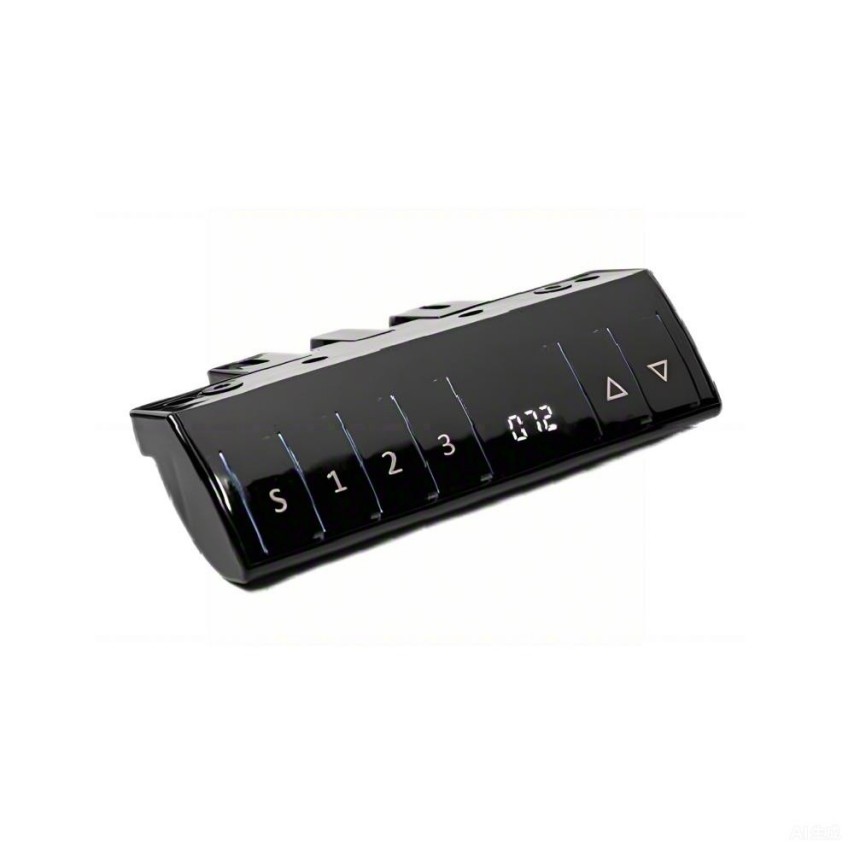
In hybrid settings, the same desk may be used by different employees at different times. Height memory presets, smooth lifting, and low-noise operation on electric standing desks can improve the shared-workstation experience. For OEM/ODM customers, this means confirming whether the lifting system supports multiple memory presets and whether the controller interface is intuitive.
2. Modular and Reconfigurable Design
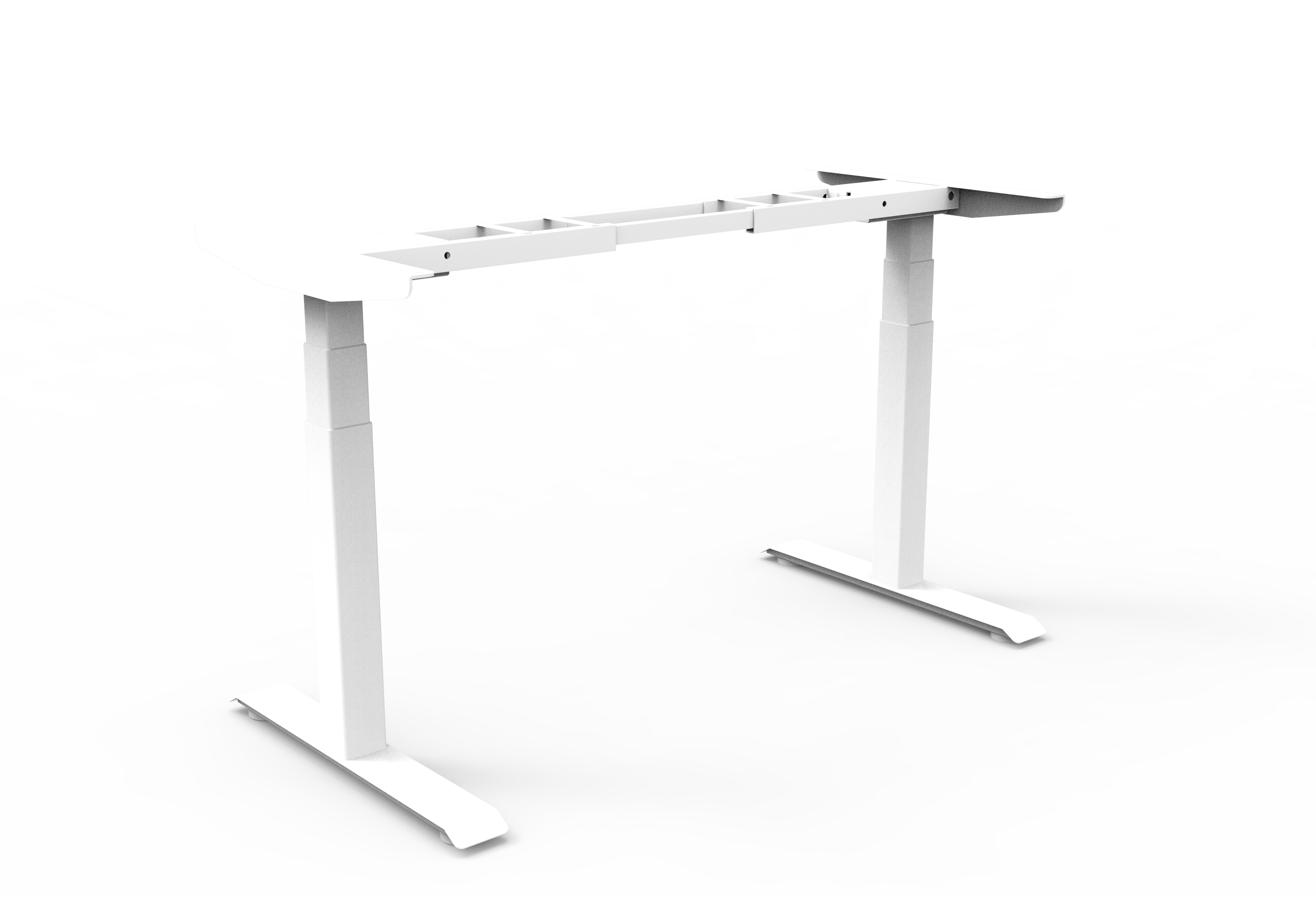
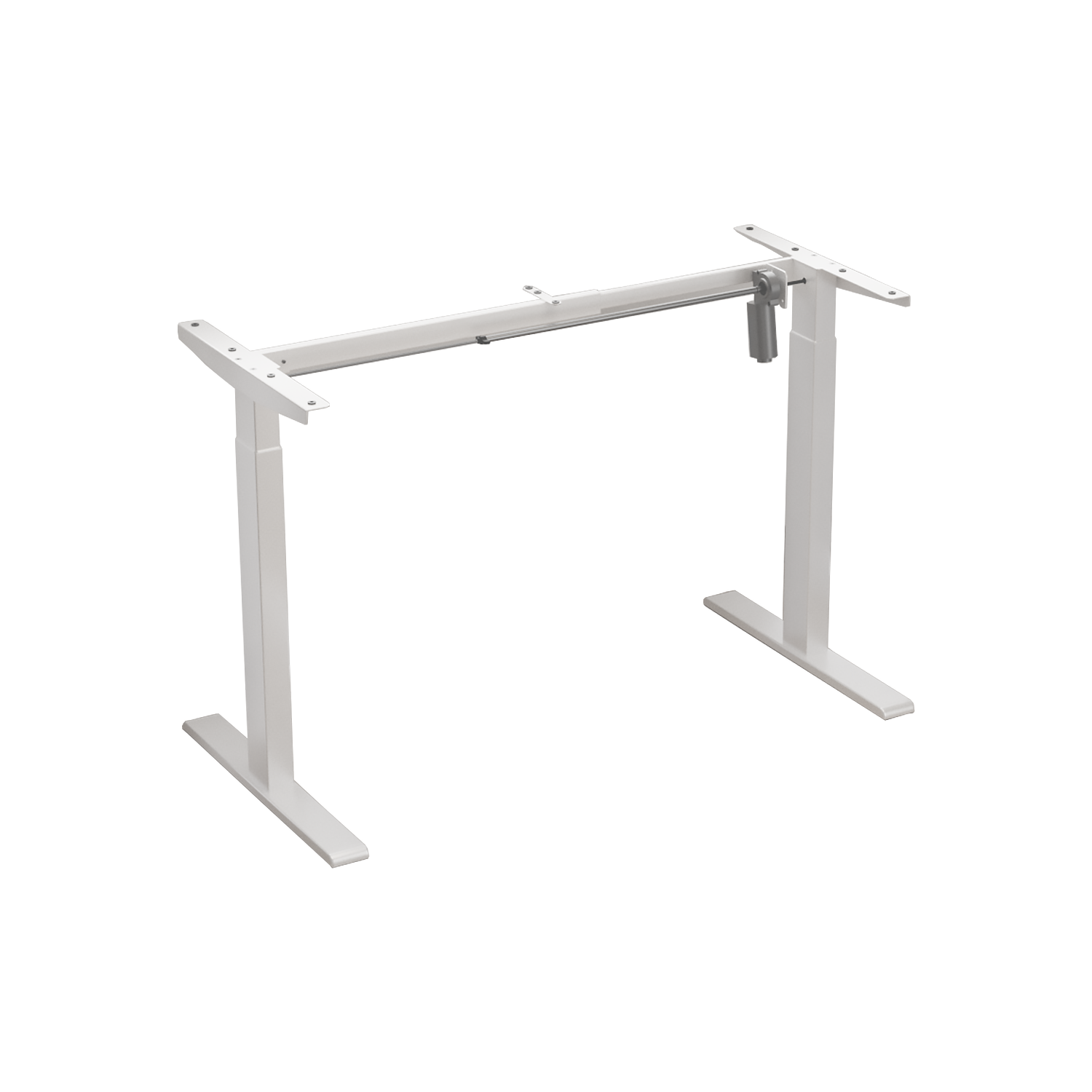
Distributed work means furniture may need to be moved or reconfigured frequently. Frame structure, connection methods, and packaging dimensions all affect installation efficiency and transport costs. Buyers can look for standardized interfaces, support for multiple desktop sizes, and clear installation instructions. Contact ETUP to verify specific specifications.
3. Electrical Safety and Compliance
Electric standing desks involve electrical components, and different target markets have different requirements for electrical safety, electromagnetic compatibility, and environmental materials. Compliance pathways vary across Europe, North America, the Middle East, and Southeast Asia. Buyers should clarify market access requirements before procurement and confirm relevant documentation with suppliers. ETUP can provide information on the specific standards its products meet; please contact ETUP directly to verify.
4. After-Sales and Spare Parts Support
In distributed work environments, equipment is spread across locations, making after-sales response speed more important. Buyers should understand the supplier’s spare parts policy, warranty coverage, and fault-handling process. These commercial details must be confirmed directly with ETUP.
Buyer Checklist
When evaluating suppliers of electric standing desks, desk frames, or lifting systems, consider verifying the following:
- Target market compliance: Confirm whether products meet electrical safety, EMC, and environmental requirements for the target market, and request relevant documentation.
- Lifting system specifications: Verify height range, load capacity, lifting speed, noise level, and memory functions. Contact ETUP to verify specific parameters.
- Frame compatibility: Confirm whether frames support planned desktop sizes and thicknesses, and whether multiple colors and surface finishes are available.
- Installation and reconfiguration: Understand installation steps, required tools, and estimated time; assess suitability for rapid deployment in distributed settings.
- Packaging and logistics: Confirm packaging dimensions, weight, and stacking methods to assess transport costs and warehouse efficiency.
- Warranty and spare parts: Clarify warranty period, coverage, and spare parts lead times. Commercial terms must be confirmed with ETUP.
- OEM/ODM capability: For brand customers, confirm customization options, minimum order quantities, and development lead times. Contact ETUP to verify.
- Sample evaluation: Request samples before bulk procurement to test lifting smoothness, control responsiveness, and structural stability.
What This Means for Different Buyer Types
Distributors: Focus on product line breadth and spare parts support to serve dispersed customer bases. Office furniture brands: Evaluate OEM/ODM partnerships to integrate lifting systems into their own product ranges. Fit-out contractors: Pay attention to frame installation efficiency and compatibility with office layouts. Enterprise buyers: Prioritize adjustability and after-sales response over lowest price alone. Designers: Consider frame aesthetics, color options, and cable management solutions.
Conclusion
Hybrid and distributed work trends create a new demand logic for electric standing desks and lifting systems: flexibility, adjustability, and maintainability matter more than ever. As a B2B supplier of electric standing desks, desk frames, and lifting systems, ETUP recommends that buyers thoroughly verify compliance, specifications, and commercial terms before procurement. This article is based on a public topic signal and does not constitute a guarantee of any product’s performance. All commercial details should be confirmed directly with ETUP.
Sources
Topic signal: ET Realty, “India’s next workplace will be hybrid, distributed and less dependent on traditional workstations,” published October 2, 2026. Original link. This source is used only as a topic signal and does not verify ETUP product performance.