Direct answer: What does hybrid work mean for B2B sourcing?
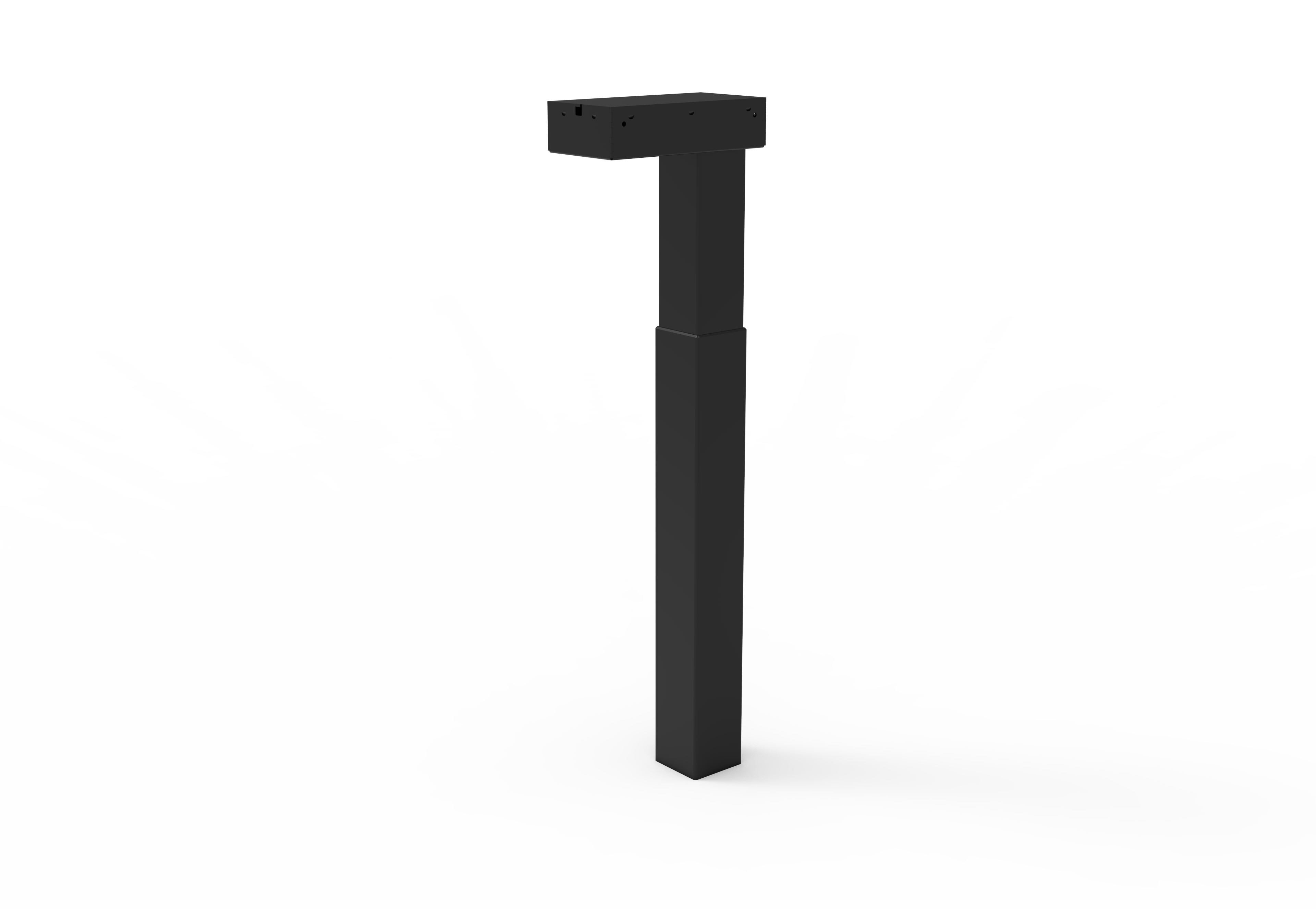
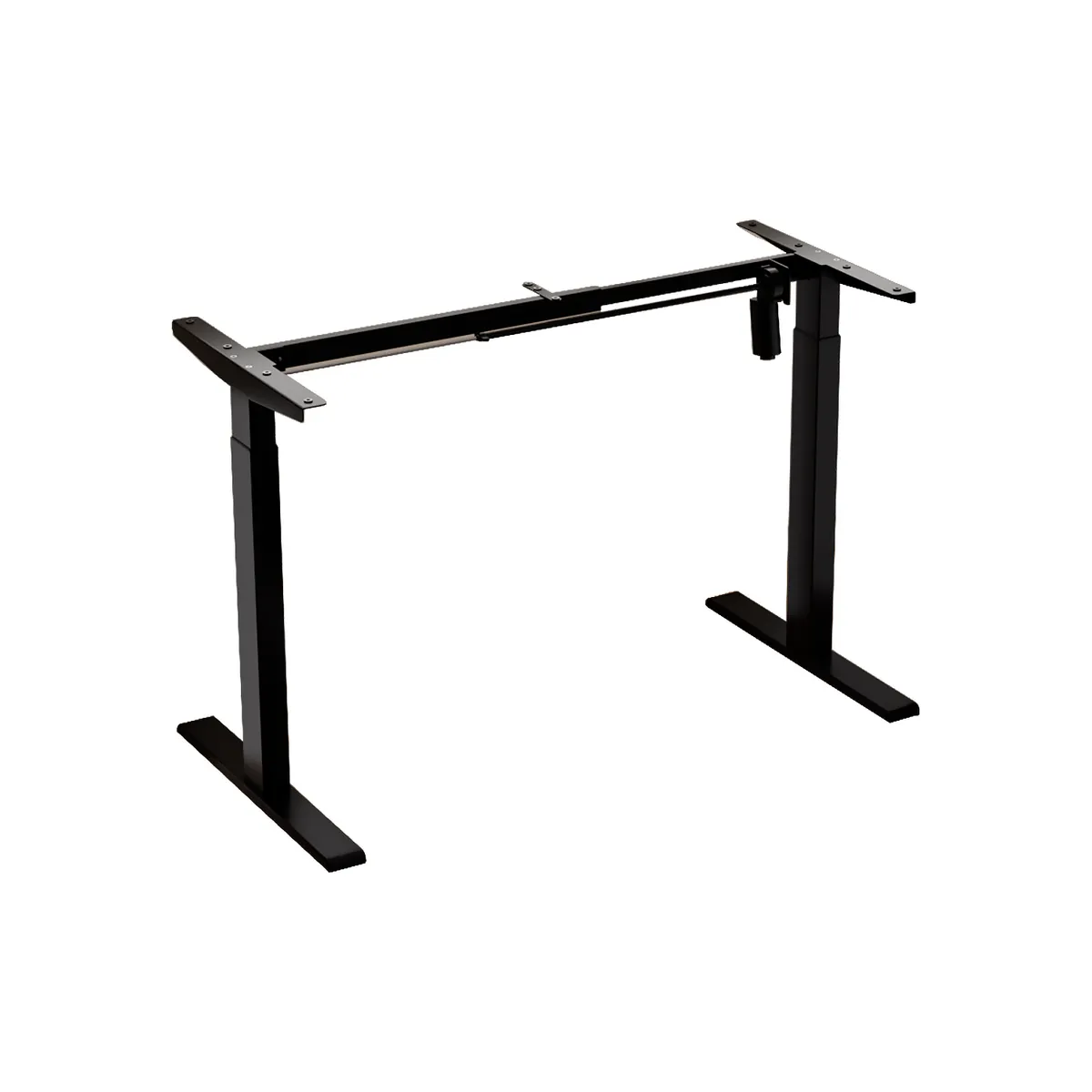
Hybrid work is shifting offices away from one fixed desk per person toward fewer but more flexible, adjustable workstations plus more collaboration and focus zones. For B2B buyers, this means a sourcing focus on electric standing desks, desk frames, and lifting systems, with greater attention to adjustment range, control system compatibility, batch consistency, and delivery reliability. ETUP supplies B2B electric standing desks, desk frames, and lifting systems; specific specifications, certifications, MOQ, lead times, and warranty terms must be confirmed with ETUP before purchase.
Topic signal and scope
This article uses Midwest Design’s report “The Future of Workspaces: How Hybrid Work Is Changing Office Design” as a topic signal only. It is not used to prove ETUP product performance or market results. The report was published on 2025-11-25. We do not fact-check or endorse its content, and we do not reproduce it.
How hybrid work is changing office design
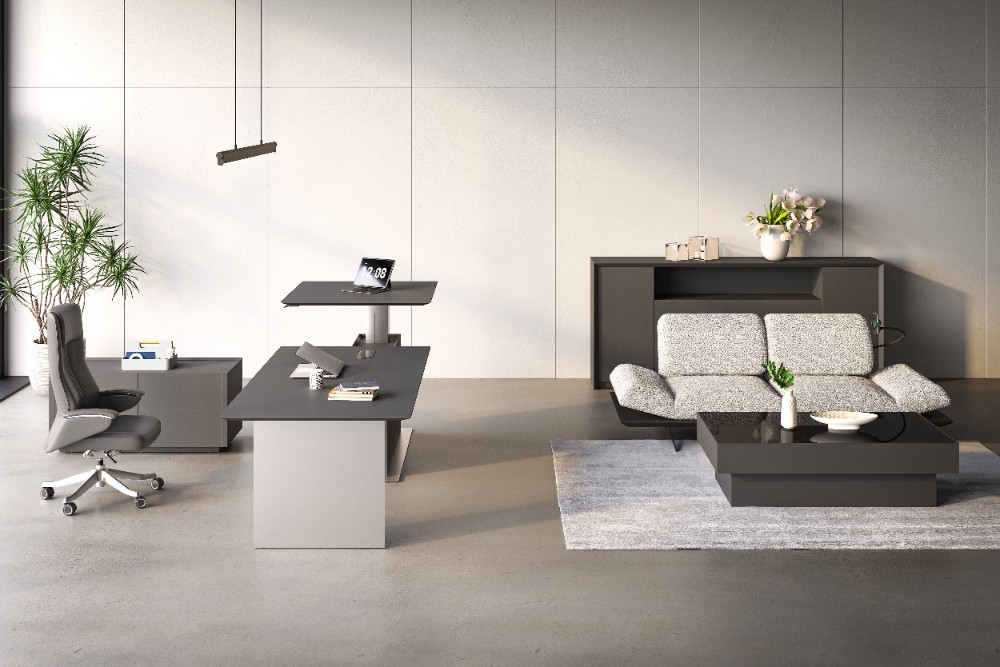
According to this topic signal, the main change is in how space is used: desks are no longer occupied all day, and teams move more frequently between collaboration areas, focus pods, and shared desks. This usage pattern creates three direct requirements for furniture:
- Adjustability: one desk needs to serve users of different heights and habits, making sit-stand transitions a common need.
- Flexibility: desks and frames need to be easy to reconfigure, relocate, or retrofit as team sizes change.
- Consistency and durability: shared workstations are used more intensively, placing higher demands on lifting system cycle life and stability.
These are design-trend observations, not commitments about any specific product parameters.
Sourcing implications for B2B buyers
Distributors and office furniture brands
Distributors and brands typically need to cover multiple price points and configurations. Electric standing desks, desk frames, and lifting systems can serve as building blocks for line expansion. When sourcing, consider: frame-to-desktop compatibility, controller interfaces and functions, and whether packaging and installation instructions suit the target market’s installation habits. Contact ETUP to verify the applicable compatibility list and available configurations.
Fit-out contractors and project buyers
Fit-out projects often have fixed timelines and site constraints. Batch consistency of desks and lifting systems, installation complexity, and on-site adjustability directly affect delivery schedules. We recommend confirming packaging dimensions, installation methods, and batch delivery arrangements with the supplier during bidding or detailed design.
Enterprise procurement and facility management
Enterprise buyers focus more on maintenance and replacement costs over time. In shared-desk scenarios, lifting systems may be used more frequently than in traditional one-desk-per-person setups, so maintainability, spare parts availability, and warranty policy matter. Commercial terms should be based on ETUP’s formal quotation and contract.
Designers and OEM/ODM customers
Designers care about appearance, dimensions, and cable management; OEM/ODM customers care about customization capability, sampling process, and mass-production consistency. For custom requirements, define drawings, sample approval milestones, and acceptance criteria, and confirm the supported customization scope with ETUP.
Practical buyer checklist
Use this checklist for internal alignment before sourcing; it does not replace the supplier’s formal technical documents:
- Target market electrical requirements: voltage, plug type, and controller certification requirements (confirm available certification documents with ETUP).
- Adjustment range and desktop size: whether they cover the target users’ height range and use cases.
- Load capacity: total weight of desktop, monitor arms, and accessories to be supported (refer to ETUP specifications).
- Control system: whether handset functions, memory presets, and anti-collision options are configurable.
- Structure and stability: whether frame structure, crossbeam, and foot design suit high-frequency shared use.
- Installation and packaging: instruction languages, packaging dimensions, and suitability for project sites or e-commerce delivery.
- Commercial terms: MOQ, lead time, warranty, spare parts supply, and after-sales process (contact ETUP to verify).
- Compliance and documents: list of compliance documents required for the target market and how they are provided.
FAQ
Does hybrid work guarantee growth in standing desk demand?
Not necessarily. Hybrid work changes how space is used; it may reduce total fixed workstations while increasing adjustability and shared usage per workstation. Actual demand depends on project type and target market, so assess it against your own customer mix.
What should OEM/ODM projects prepare in advance?
Typically, product positioning, target market, expected volumes, and customization scope. Sampling, certification, and mass-production arrangements need to be confirmed item by item with ETUP.
Conclusion
Hybrid work shifts office design priorities from workstation quantity to workstation quality and flexibility. For B2B buyers, electric standing desks, desk frames, and lifting systems are common product directions for responding to this shift, but sourcing decisions should still be based on target market, project conditions, and verifiable supplier specifications and terms. This is a draft for human review and should not be treated as published content.
Sources
Topic signal: Midwest Design, “The Future of Workspaces: How Hybrid Work Is Changing Office Design,” published 2025-11-25. Link