Direct answer
Hybrid work has not eliminated the office; it has changed its role from a collection of fixed desks into a destination for collaboration and focused work. For B2B buyers, this means shifting from “one desk per headcount” to “furniture per activity type.” Height-adjustable standing desks, reconfigurable desk frames and lifting systems are becoming baseline components in office refurbishment. This article uses a Realty Plus Magazine report as a topic signal and offers original analysis for distributors, office furniture brands, fit-out contractors, enterprise buyers, designers and OEM/ODM customers. ETUP supplies B2B electric standing desks, desk frames and lifting systems; all commercial details should be confirmed with ETUP before publication.
Why hybrid work changes the office’s role
The core shift is that coming to the office is no longer the default. People come in to collaborate, train, socialize or handle work that benefits from face-to-face contact. As a result, office value is measured less by desk count and more by arrival experience and space utilization. This has three implications for furniture sourcing:
- Spaces must be more flexible: the same area may host team meetings, individual focus and temporary work within a single day, so furniture must support quick reconfiguration.
- Health and comfort influence retention: height-adjustable workstations that let people alternate between sitting and standing are part of the office experience.
- Sourcing shifts from one-off to scalable: buyers pay more attention to modular components such as desk frames and lifting systems so spaces can be expanded or reconfigured later.
These points reflect industry observation and sourcing practice rather than conclusions drawn from a single news source. The Realty Plus Magazine report is used only as a topic signal to show the direction of market discussion.
What this means for B2B buyers
1. Distributors and office furniture brands
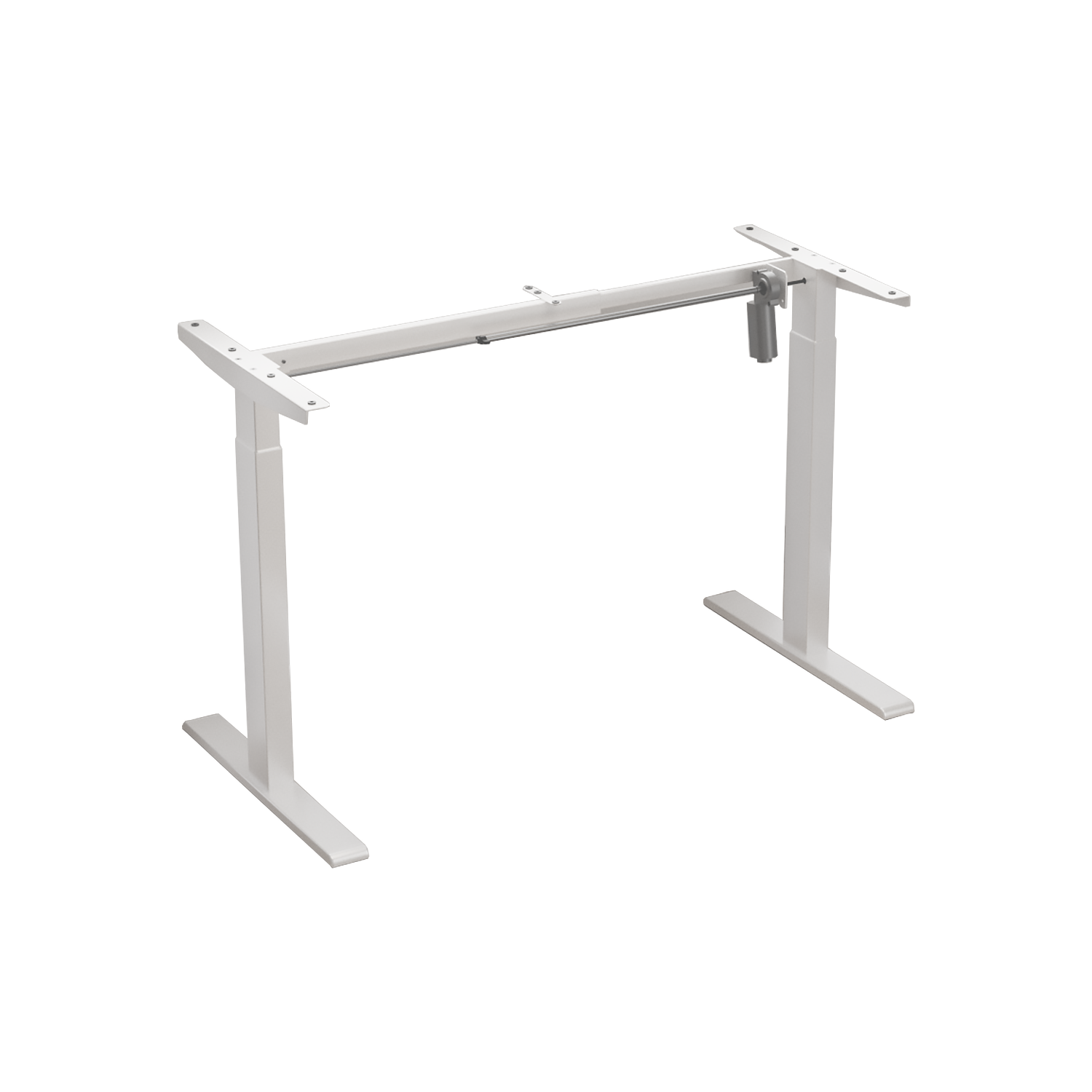
Hybrid work pushes enterprise clients from buying desks to buying solutions. Distributors and brands need a fuller range of desk frames and lifting systems so they can combine fixed desks, standing desks and collaborative tables within one project. Clarify scalability at quotation stage, for example whether a frame can later accept a lifting system or support different top sizes. Contact ETUP to verify compatibility ranges.
2. Fit-out contractors
Office refurbishment projects have tight schedules and complex site conditions. Contractors care about installation efficiency and on-site adaptability. When sourcing, confirm packaging dimensions, installation guide languages and spare-parts support. Lead times affect project schedules, so contact ETUP to verify before bidding.
3. Enterprise buyers
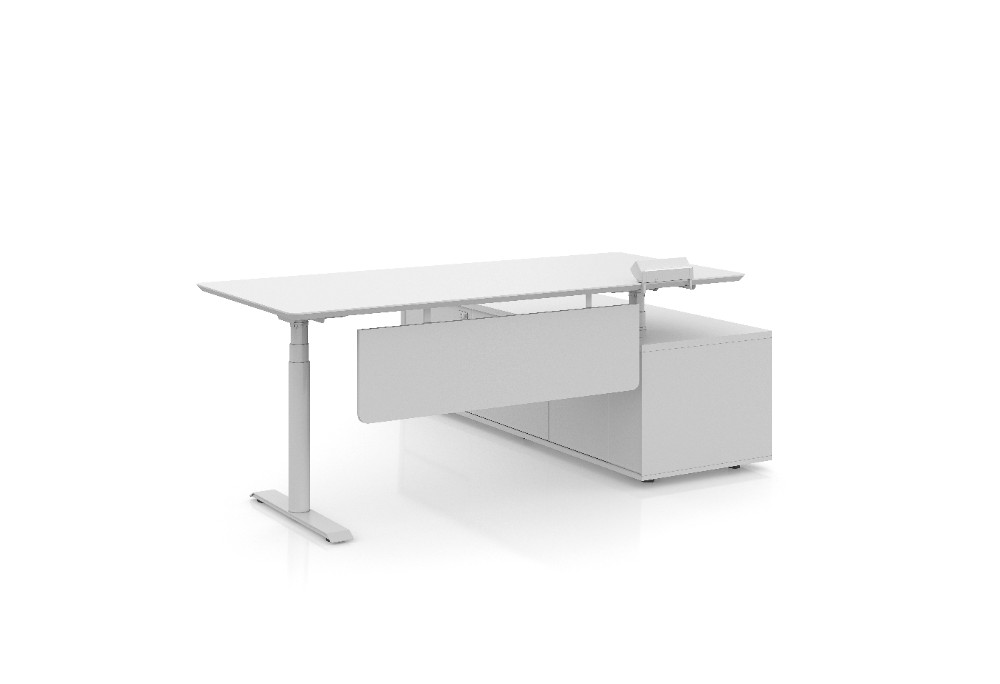
Enterprise buyers must balance budget and employee experience. Plan by activity type rather than by department: collaborative zones can use movable or folding tables, focus zones can use electric standing desks, and temporary workpoints can use quickly adjustable frames. This can improve utilization without adding floor area.
4. Designers
Designers need to integrate furniture into the overall spatial narrative. Cable management, frame colors and top materials all affect the final result. Confirm available options and customization scope with the supplier during design development to avoid late changes.
5. OEM/ODM customers
For customers with their own brands, OEM/ODM cooperation can shorten time to market. Before starting, clarify product specifications, testing requirements, packaging standards and IP ownership. Contact ETUP to verify its specific OEM/ODM capabilities, certifications and MOQ.
Buyer checklist for hybrid-work furniture
Use this checklist during RFQ and sampling. All commercial details must be confirmed in writing by ETUP.
- Space planning: are areas divided by collaboration, focus and temporary work? Do furniture items need to switch quickly between these uses?
- Product mix: is the ratio of electric standing desks, fixed desks and desk frames appropriate? Are expansion interfaces reserved?
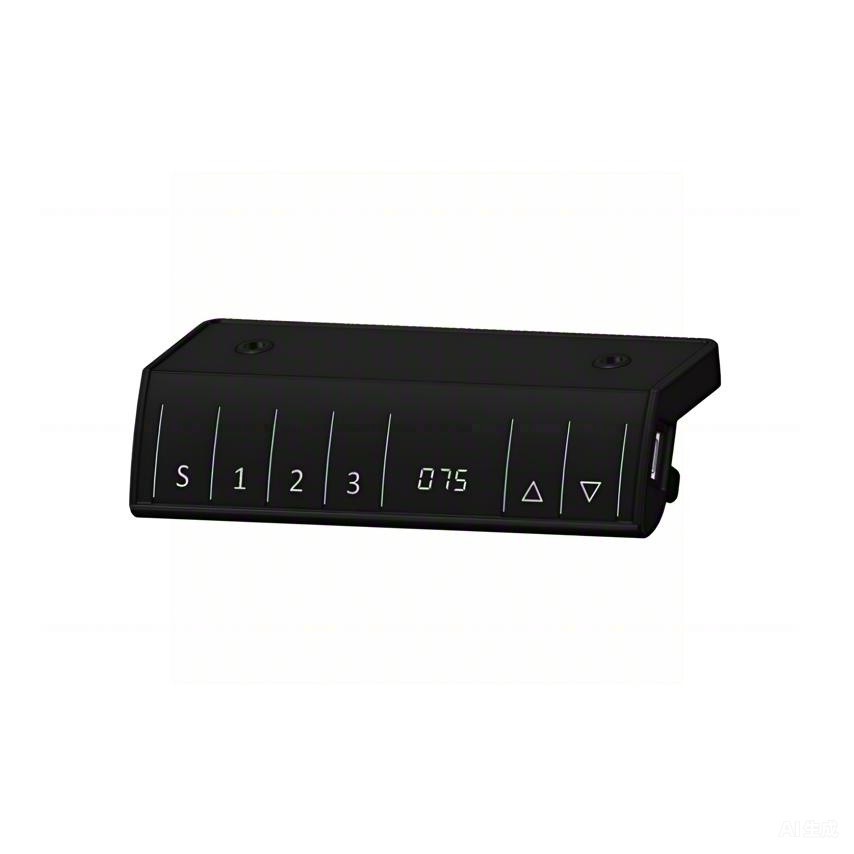
- Lifting systems: do stroke, noise level and memory presets meet target-user needs? Ask ETUP for datasheets.
- Frame compatibility: do frames support multiple top sizes and materials? Does the installation method suit site conditions?
- Compliance and certification: are electrical and safety requirements for the target market (Europe, North America, the Middle East, Southeast Asia) clear? Contact ETUP to verify certification scope.
- Lead time and packaging: does the supplier schedule match the project timeline? Is packaging suitable for site handling?
- After-sales and spares: are spare parts and installation support available? Warranty terms should be based on ETUP’s formal documents.
- OEM/ODM terms: are customization scope, testing requirements, IP and MOQ confirmed in writing?
Common misconceptions
- Misconception 1: hybrid work simply means fewer desks. A more accurate view is that desk types diversify, so sourcing needs finer segmentation.
- Misconception 2: unit price is the only metric. Scalability, spare-parts support and installation efficiency of frames and lifting systems often drive total lifecycle cost.
- Misconception 3: news reports prove product performance. Industry coverage can indicate trends but cannot replace product testing and certification documents.
Suggested next steps
If your team is planning a hybrid-work refurbishment, start by mapping activity types and target-market compliance requirements, then request datasheets, certification scope and lead-time information from suppliers. As a B2B supplier of electric standing desks, desk frames and lifting systems, ETUP can work with distributors, brands, contractors and OEM/ODM customers on requirement alignment. All commercial details, including certifications, MOQ, lead times, capacity and warranty, must be confirmed by ETUP.
Sources
Topic signal: Realty Plus Magazine, “How Offices are Changing to Meet the Demands of Hybrid Work,” published 2026-03-17. Link: original link. This article treats the report only as a topic signal and does not present it as proof of ETUP product performance or market data.