Direct answer: how is hybrid work changing office space strategy?
Hybrid work is pushing enterprises away from planning by headcount and toward planning by space utilization and flexibility. Instead of one fixed desk per employee, companies are reallocating floor area to collaboration zones, focus areas, and shared workstations. For the B2B furniture supply chain, this shifts demand from standardized bulk purchasing toward adjustable, reconfigurable desks and lifting systems. This analysis is based on a topic signal from Enterprise Times and does not claim that the source proves any ETUP product performance.
Signal: three shifts in office space strategy
According to a topic signal published by Enterprise Times on 25 June 2025, hybrid work is reshaping how enterprises approach office space. Drawing on broader industry observation, three directions stand out:
1. From fixed desks to shared and flexible workstations
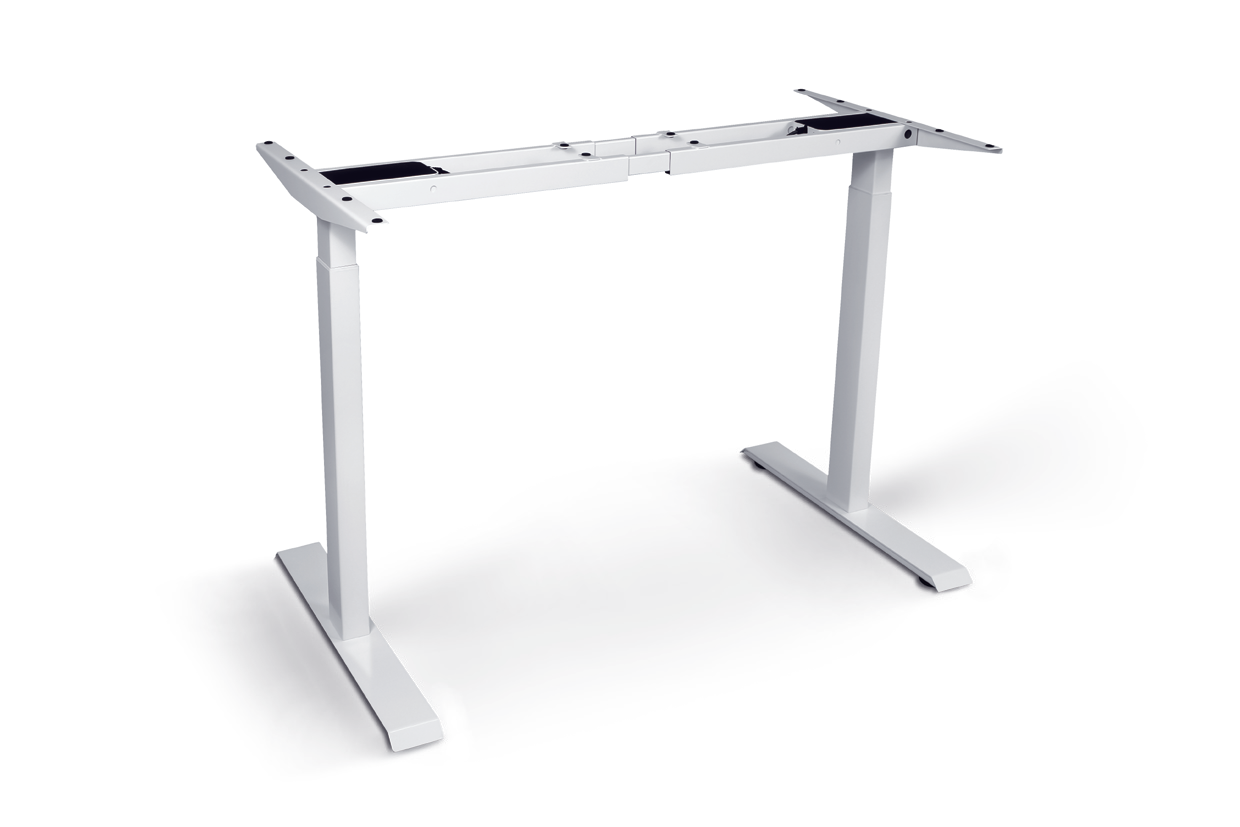
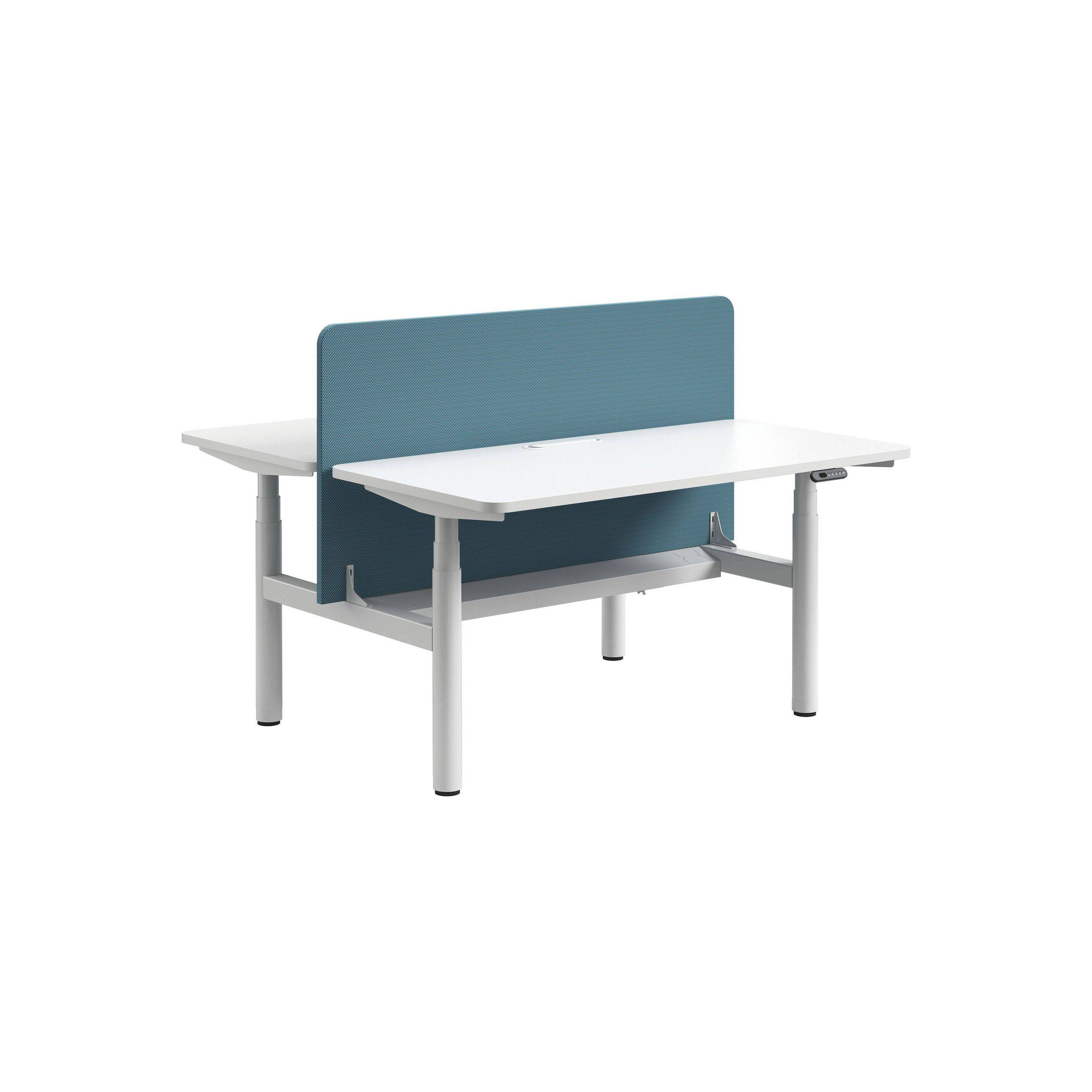
Enterprises are beginning to size workstation counts to actual attendance rather than total headcount. Shared desks must be quickly adjustable for users of different heights and habits, which increases the relevance of electric standing desks and adjustable desk frames.
2. Rebalancing collaboration and focus space
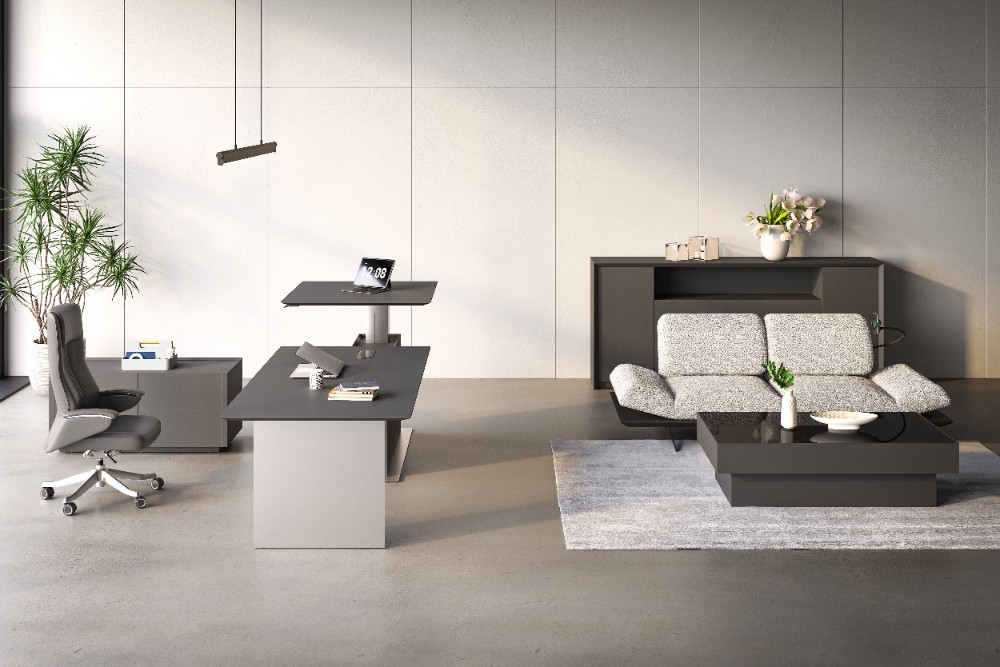
More floor area is being allocated to meeting rooms, phone booths, and focus zones, while individual workstation footprints may shrink. Furniture purchasing therefore pays more attention to space efficiency and multifunctionality.
3. Lifecycle cost and reconfigurability
Enterprise buyers are increasingly focused on whether furniture can be reconfigured as teams change. Modular desk frames, standardized lifting systems, and replaceable components become evaluation priorities.
Practical implications for B2B supply chain roles
Distributors and office furniture brands
Customers no longer ask only "what does a desk cost?" but "can it support shared workstations, can it adjust quickly, and can it be delivered in phases?" Distributors need suppliers to provide clear configuration options and stable lead-time information. Contact ETUP to verify MOQ, lead times, and customization scope.
Fit-out contractors and designers
Desk dimensions, cable routing, and power layout need to be confirmed at the design stage. Aligning technical parameters with the lifting system supplier early can reduce on-site rework. ETUP supplies electric standing desks, desk frames, and lifting systems; contact ETUP to verify specific specifications.
Enterprise buyers and OEM/ODM customers
Enterprise buyers should include reconfigurability and maintenance convenience in their purchasing scorecards. OEM/ODM customers need to clarify electrical and safety requirements for target markets and ask suppliers for the relevant documents. Contact ETUP to verify certification and compliance details; this article makes no certification claims.
Buyer checklist: evaluating standing desks for hybrid work
- Use case: fixed desks, shared desks, or hot-desking? Each scenario places different demands on adjustment frequency and durability.
- Adjustment range: does it cover the height range of the target user group? Refer to the supplier's specification sheet.
- Frame compatibility: can the frame support multiple desktop sizes and shapes to ease reconfiguration?
- Cable and power management: is cable management reliable during height adjustment? How does it coordinate with the fit-out team's power points?
- Delivery and phasing: can delivery be phased by floor or project stage? Contact ETUP to verify arrangements.
- Maintenance and spares: can control boxes, motors, and other components be replaced individually? Contact ETUP to verify the spare parts policy.
- Compliance documents: are the documents required for the target market available? Request them from ETUP and verify independently.
- Total cost of ownership: compare installation, maintenance, and reconfiguration costs, not just unit price.
Frequently asked questions
Does hybrid work mean lower demand for office desks?
The topic signal points to changes in workstation counts and space allocation rather than simple disappearance of demand. Enterprises are still buying, but the logic is shifting from quantity to flexibility and utilization. Market sizing data is outside the scope of this article.
Are electric standing desks suitable for shared workstations?
Adjustability is often an important consideration for shared workstations, but suitability depends on specific product specifications and usage frequency. Contact ETUP to verify product parameters and evaluate against the actual use case.
Conclusion
Hybrid work is turning office space strategy from a static configuration into dynamic management. For the B2B furniture supply chain, the opportunity lies in adjustable, reconfigurable products and transparent delivery information. This is an editorial draft; all commercial details must be confirmed with ETUP before publication.
Sources
Topic signal: Enterprise Times, "How Hybrid Work is Reshaping Office Space Strategy for Enterprises," 25 June 2025. Original link. This article uses the source only as a topic signal and does not treat it as evidence of ETUP product performance.