Direct answer: what does hybrid work mean for office furniture procurement?
Hybrid work has not eliminated the office; it has changed its role—from one fixed desk per person to flexible spaces balancing collaboration, focus, and wellbeing. For B2B buyers, this shifts procurement from buying desks by headcount to configuring adjustable, reconfigurable, and maintainable workstation systems by scenario. Electric standing desks, modular desk frames, and lifting systems are therefore categories worth attention. However, specifications, certifications, MOQ, lead times, and warranty must be verified with ETUP before any commercial decision.
Topic signal: how offices are changing
This article uses a Realty Plus Magazine report as a topic signal (see Sources). The signal indicates industry discussion about hybrid work's impact on office design. We do not rewrite or extrapolate the original; we use it as a starting point for original B2B procurement analysis. Note: this source does not prove ETUP product performance and is not cited as market data.
From fixed desks to sharing and rotation
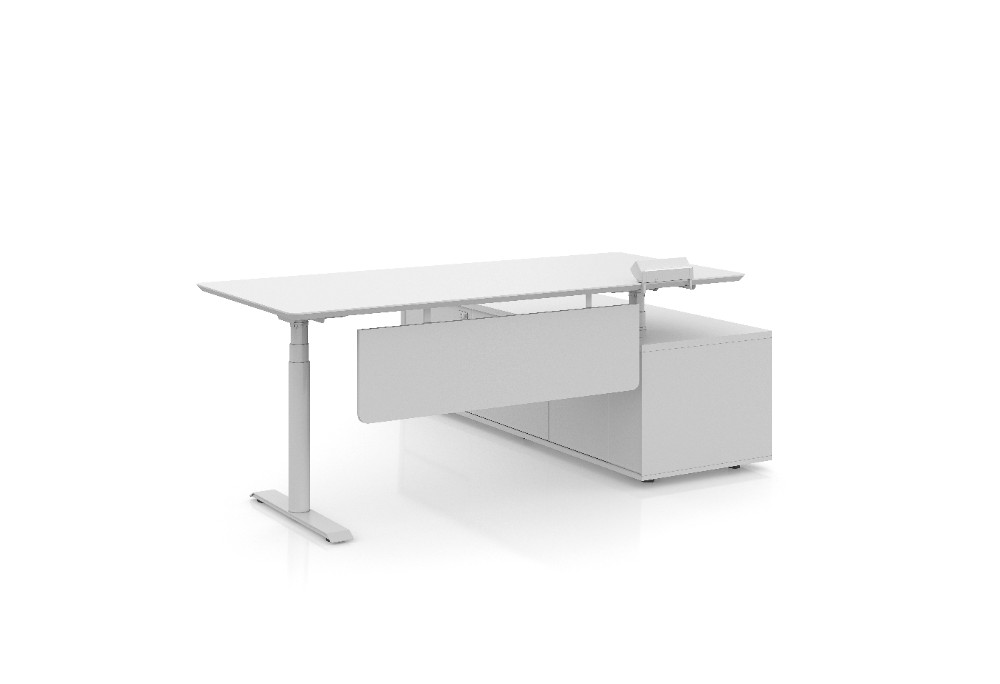
With hybrid work, desk utilization fluctuates, and companies increasingly adopt shared and hot-desking models. Procurement should consider quick height adjustment, cable management, and frame stability under frequent changes. For load capacity, adjustment range, and durability test data, contact ETUP to verify.
Health and ergonomics as standard expectations
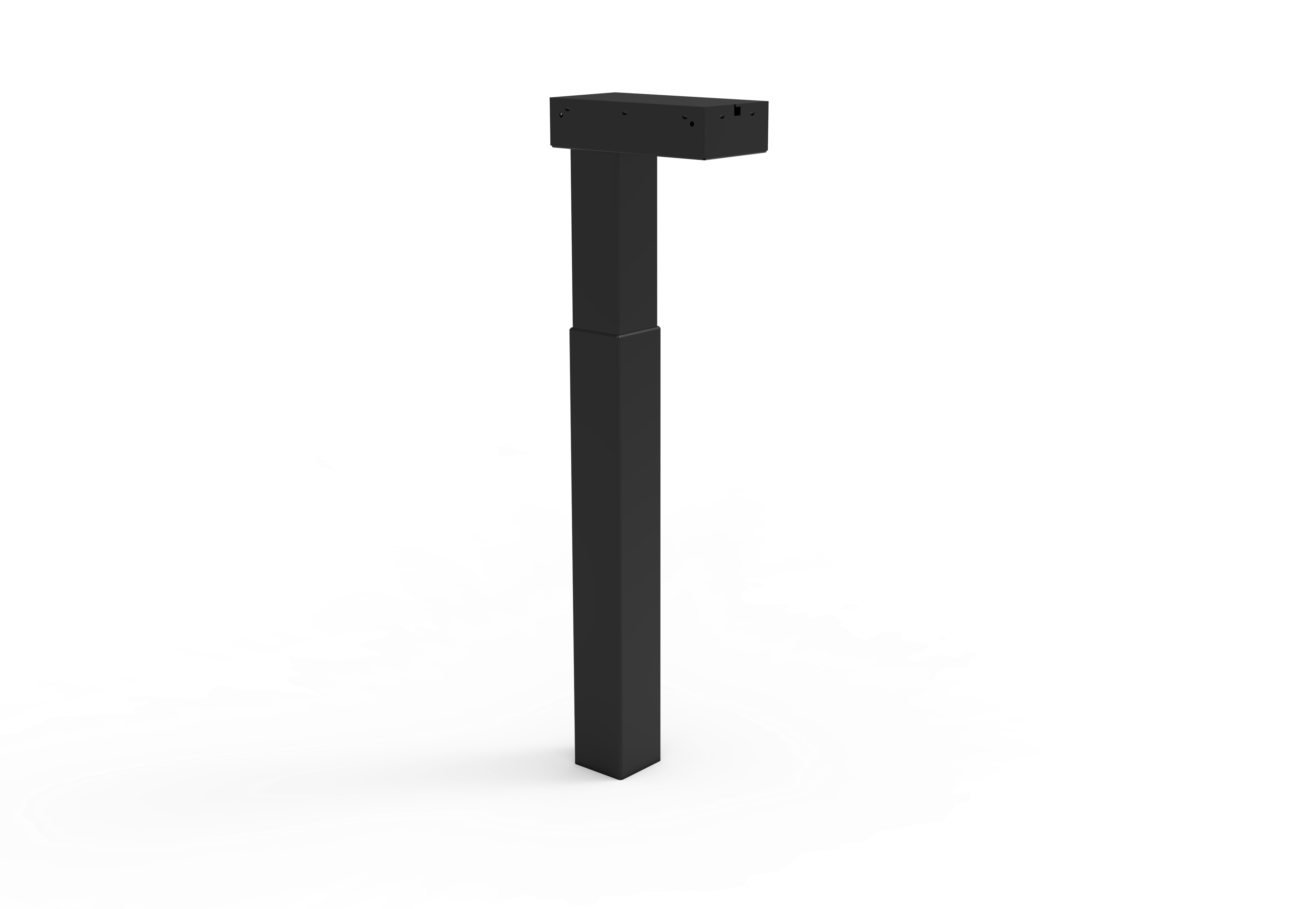
Sit-stand alternation is increasingly part of corporate wellbeing programs. The core value of electric standing desks is enabling employees to quickly reach a suitable height at shared workstations. Buyers should examine lifting system noise, speed, memory presets, and anti-collision features, and confirm parameters and certifications with ETUP.
Spaces must be reconfigurable
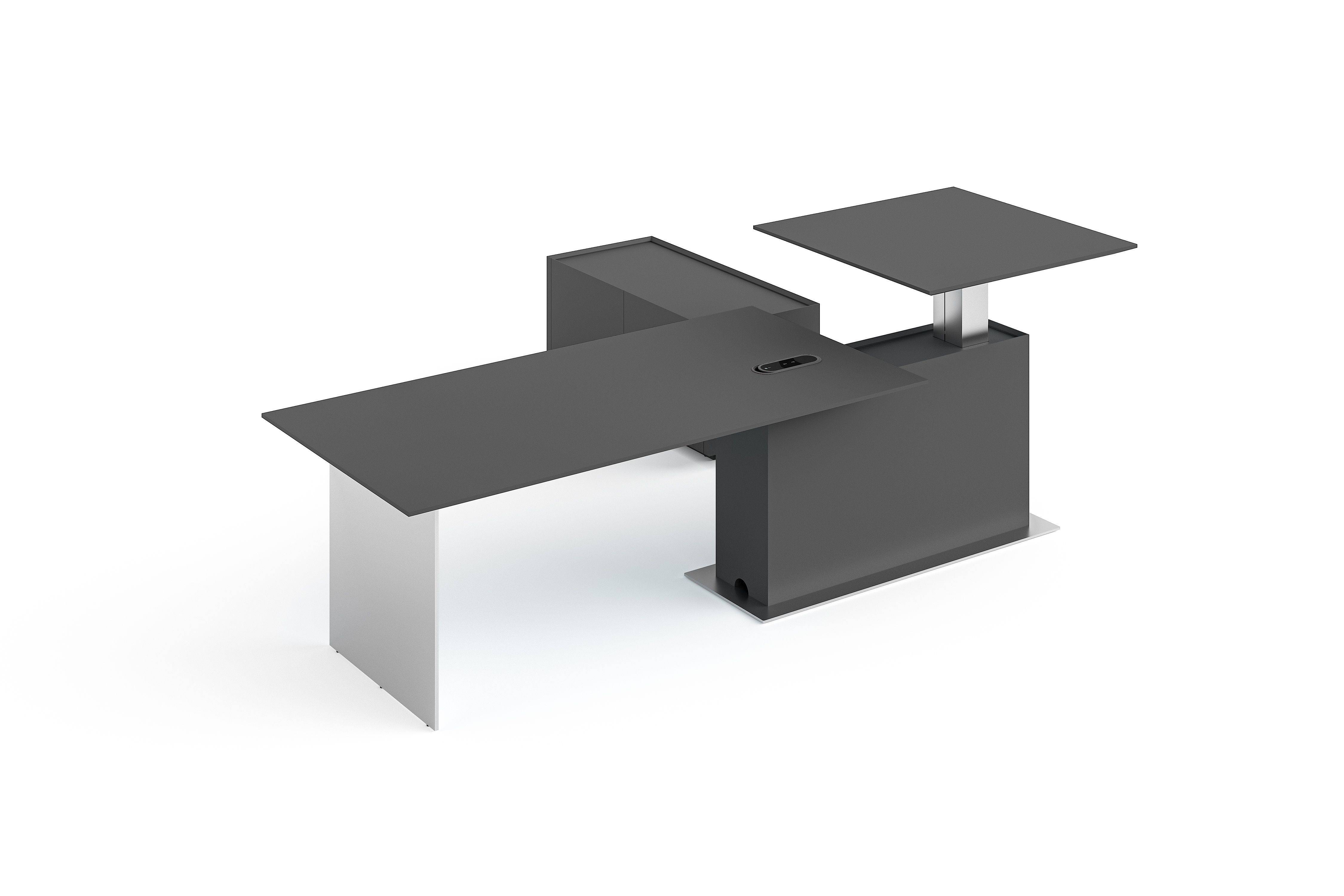
Boundaries between meeting rooms, focus pods, and collaboration zones are blurring. Modular desk frames and movable lifting systems allow the same space to switch uses within a day. Procurement should assess frame compatibility, installation method, and future retrofit costs.
Procurement implications for B2B buyers
- Distributors and OEM/ODM customers: Focus on product line completeness, customization capability, and supply stability. Confirm MOQ, lead times, packaging, and private-label options with ETUP.
- Office furniture brands: Assess whether frames and lifting systems integrate with existing product portfolios, and whether certification documents are complete.
- Fit-out contractors: Consider installation efficiency, cable integration, and coordination with electrical and partition works.
- Enterprise buyers: Consider total cost of ownership, maintenance convenience, and actual employee experience.
- Designers: Consider aesthetics, size variety, and spatial fit.
Practical buyer checklist
- Define use scenarios: fixed, shared, or collaboration zones?
- Confirm lifting system parameters: range, speed, noise, memory presets, anti-collision.
- Confirm frame compatibility and load capacity; request datasheets from ETUP.
- Verify certifications and compliance documents where applicable; do not assume existing certifications.
- Confirm MOQ, lead times, packaging, and shipping terms.
- Confirm warranty scope and spare parts availability.
- Evaluate installation method and future maintenance costs.
- Request samples or small-batch trials to validate real-world experience.
FAQ
Does hybrid work mean buying fewer desks?
Not necessarily. Procurement may shift from quantity-first to quality-and-flexibility-first, with more emphasis on adjustability and durability per desk.
How can I confirm certifications for electric standing desks?
Contact ETUP directly to verify certifications and test reports for specific products. This article does not make such claims on their behalf.
Can sizes and colors be customized?
Customization capability, MOQ, and lead times are commercial details; please confirm with ETUP.
Conclusion
Hybrid work demands offices that are more flexible, healthier, and easier to maintain. For B2B buyers, the key is to configure by scenario and put all commercial details into written confirmation. This article is a draft for human review and must not be treated as published content.
Sources
Topic signal: Realty Plus Magazine, "How Offices are Changing to Meet the Demands of Hybrid Work," published 2026-03-17. Link: original link. This link is provided as a topic signal only and does not imply endorsement of the original content.