Direct Answer: What Does Stabilising Hybrid Working Mean?
According to an office occupancy report covered by Workplace Insight, hybrid working is stabilising globally. For B2B office furniture buyers, this signals a shift from emergency remote setups to long-term, systematic hybrid workplace solutions. Procurement strategies should focus on flexibility, durability, and space efficiency rather than temporary configurations.
This article provides analysis based on the industry signal and does not constitute proof of any product performance. Contact ETUP to verify commercial details.
Why Does Stabilising Hybrid Working Affect Procurement Decisions?
Stabilising hybrid working means employees alternate between office and remote locations in a regular pattern. The office role shifts from "daily workstation" to "collaboration and focus hub." This changes demand for office furniture:
- Increased desk sharing: Fewer fixed desks; shared workstations require more adjustable and durable sit-stand systems.
- Multifunctional spaces: The same area must support individual focus and team collaboration; furniture needs mobility and adjustability.
- Continued focus on health and comfort: With less office time, employees expect higher health features such as sit-stand alternation.
- Total cost of ownership (TCO) priority: Buyers focus on long-term durability and maintenance costs rather than initial price.
These trends directly impact distributors, office furniture brands, fit-out contractors, enterprise buyers, designers, and OEM/ODM customers.
Procurement Action Recommendations
1. Reassess Desk-to-Employee Ratio
Under hybrid working, desk numbers may decrease but quality requirements increase. Adjust the ratio of sit-stand desks to fixed desks based on actual office occupancy data. For specific configuration advice, consult ETUP for product fit.
2. Prioritise Scalable Lifting Systems
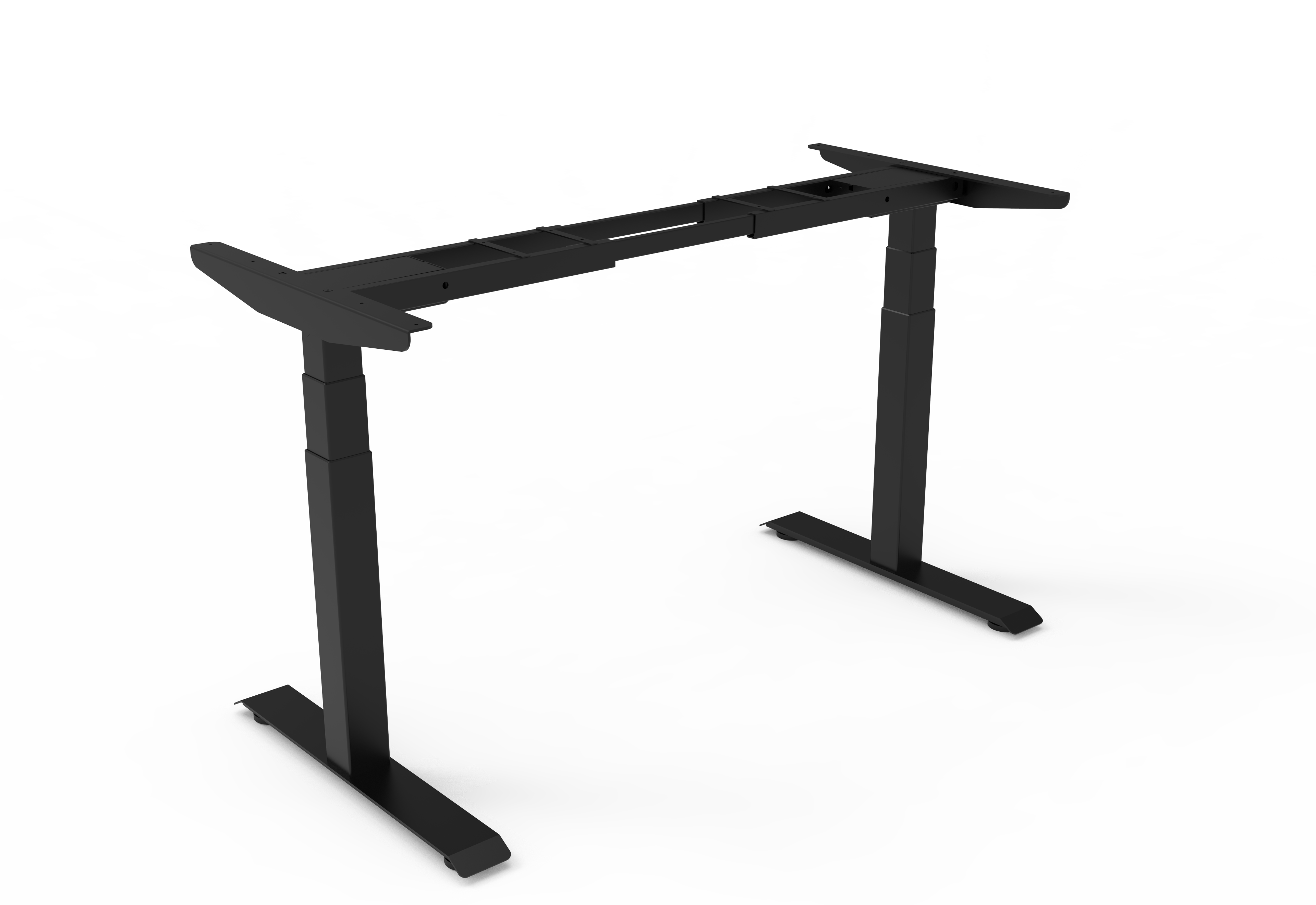
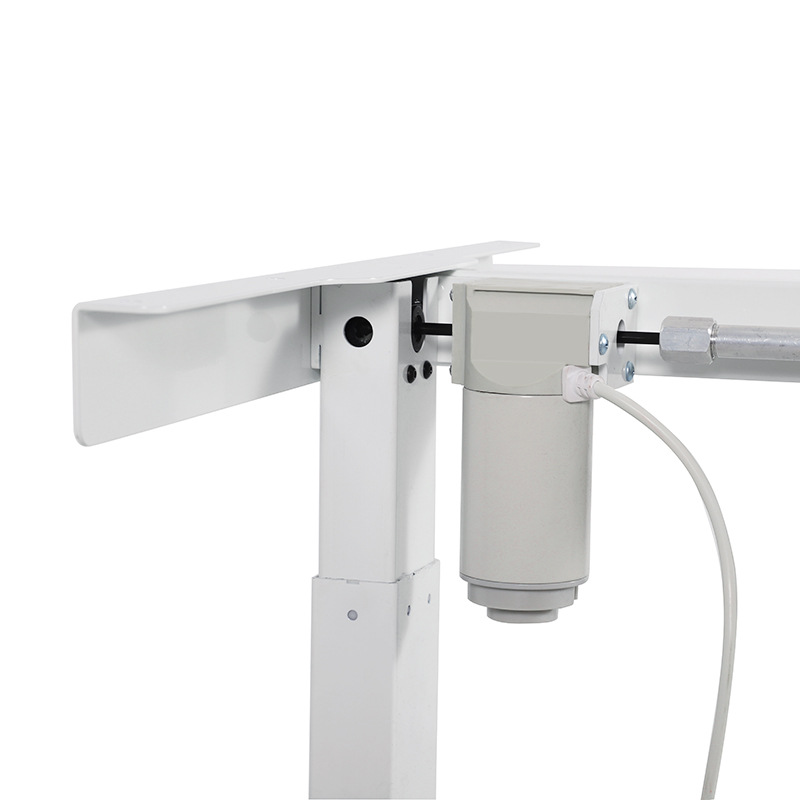
Electric standing desks and lifting systems should support future layout changes. Modular design, standardised interfaces, and replaceable parts help reduce long-term costs. ETUP offers various lifting systems; contact ETUP to verify specifications.
3. Focus on Durability and Certifications
Shared workstations are used more frequently, demanding higher durability from frames and lifting systems. Require suppliers to provide test reports and certification information. ETUP can provide product certification details; please contact directly.
4. Integrate Flexibility at Design Stage
Designers and fit-out contractors should consider furniture mobility and reconfigurability during planning. For example, sit-stand desks with casters or foldable frames. ETUP's engineering team can provide OEM/ODM support; discuss cooperation details.
Buyer Checklist: Hybrid Office Furniture Procurement
- □ Define office occupancy and desk-sharing strategy
- □ Evaluate adjustment range, speed, and noise level of sit-stand desks (request spec sheets)
- □ Confirm frame load capacity and stability for intended use
- □ Check motor lifespan and warranty policy (contact ETUP to verify)
- □ Request relevant certifications and test reports
- □ Consider modular design for future expansion
- □ Assess supplier lead times and minimum order quantities (MOQ) (contact ETUP to verify)
- □ Confirm after-sales support and spare parts availability
Note: The above checklist is general advice; confirm specific commercial terms directly with ETUP.
Implications for Different Customer Types
Distributors and Brands
Stabilising hybrid working brings sustained demand but increasing competition. Choosing suppliers with stable quality, flexible MOQ, and OEM/ODM capabilities is key. ETUP offers customisation services; inquire for details.
Fit-out Contractors and Designers
Projects demand greater space utilisation and employee experience. Collaborating with suppliers that provide technical support and rapid response reduces project risk. ETUP provides technical documentation and design support; please contact us.
Enterprise Buyers
Long-term costs and employee satisfaction are both important. Consider pilot procurement to evaluate actual product performance before large-scale deployment. ETUP can provide samples and trial support; inquire about specific policies.
FAQ
Does stabilising hybrid working mean less demand for office furniture?
Not necessarily. Demand may shift from quantity to quality, with increased need for adjustable, durable, and flexible products.
How can I verify supplier product quality?
Request test reports, certification documents, and reference customer cases. ETUP can provide relevant documents; please contact to verify.
Does ETUP offer OEM/ODM services?
Yes, ETUP provides OEM/ODM services. For specific processes, MOQ, and lead times, please confirm with ETUP.
Sources
This article is based on the following industry signal, used as a topic reference only and not as proof of ETUP product performance:
- Workplace Insight: Hybrid working is stabilising around the world, office occupancy report claims (2026-02-06)
Note: This is a draft for human review and must not be treated as published content.