Direct Answer: What Does Hybrid Working Stabilisation Mean for the B2B Office Furniture Supply Chain?
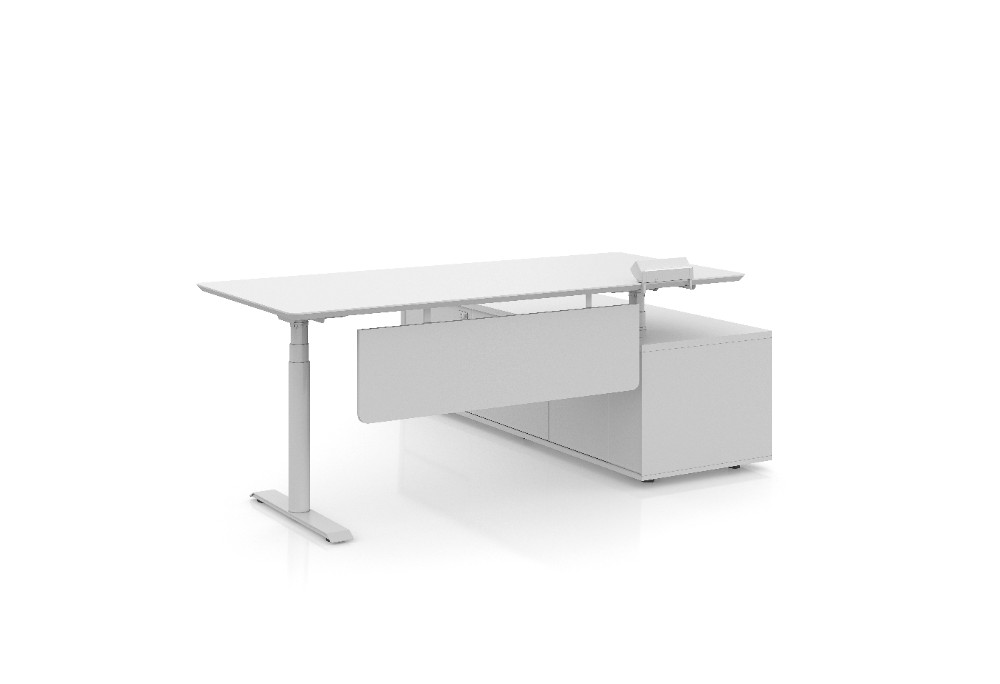
According to a report by Workplace Insight, hybrid working is stabilising around the world, as indicated by an office occupancy report. For the B2B office furniture supply chain, this means demand patterns are shifting from post-pandemic volatility toward more predictable hybrid office configurations. Distributors, office furniture brands, fit-out contractors, and enterprise buyers should focus on products that support flexible office layouts, such as electric standing desks and lifting systems, and confirm commercial details with suppliers.
This article provides original analysis based on the news signal and does not constitute proof of ETUP product performance. All commercial details must be verified with ETUP.
Trend Background: Signals of Hybrid Working Stabilisation
The Workplace Insight report states that an office occupancy report shows hybrid working is stabilising. This signal suggests that companies are adapting to a long-term model combining remote work and office collaboration, rather than a temporary arrangement. For the office furniture industry, this means demand will focus more on flexibility and space efficiency rather than simple workstation expansion.
The report provides a reference for industry observation, but specific data should be checked in the original source. ETUP, as a B2B supplier of electric standing desks, desk frames, and lifting systems, monitors such trends to understand customer needs but does not verify or endorse the report's content.
Impact on the B2B Office Furniture Supply Chain
1. Changing Demand Patterns
Hybrid working stabilisation may lead to office space reconfiguration, with companies potentially reducing fixed workstations and increasing shared desks and flexible work areas. This requires furniture suppliers to offer adjustable, easily reconfigurable products, such as electric standing desks and modular desk frames.
2. Product Portfolio Adjustments
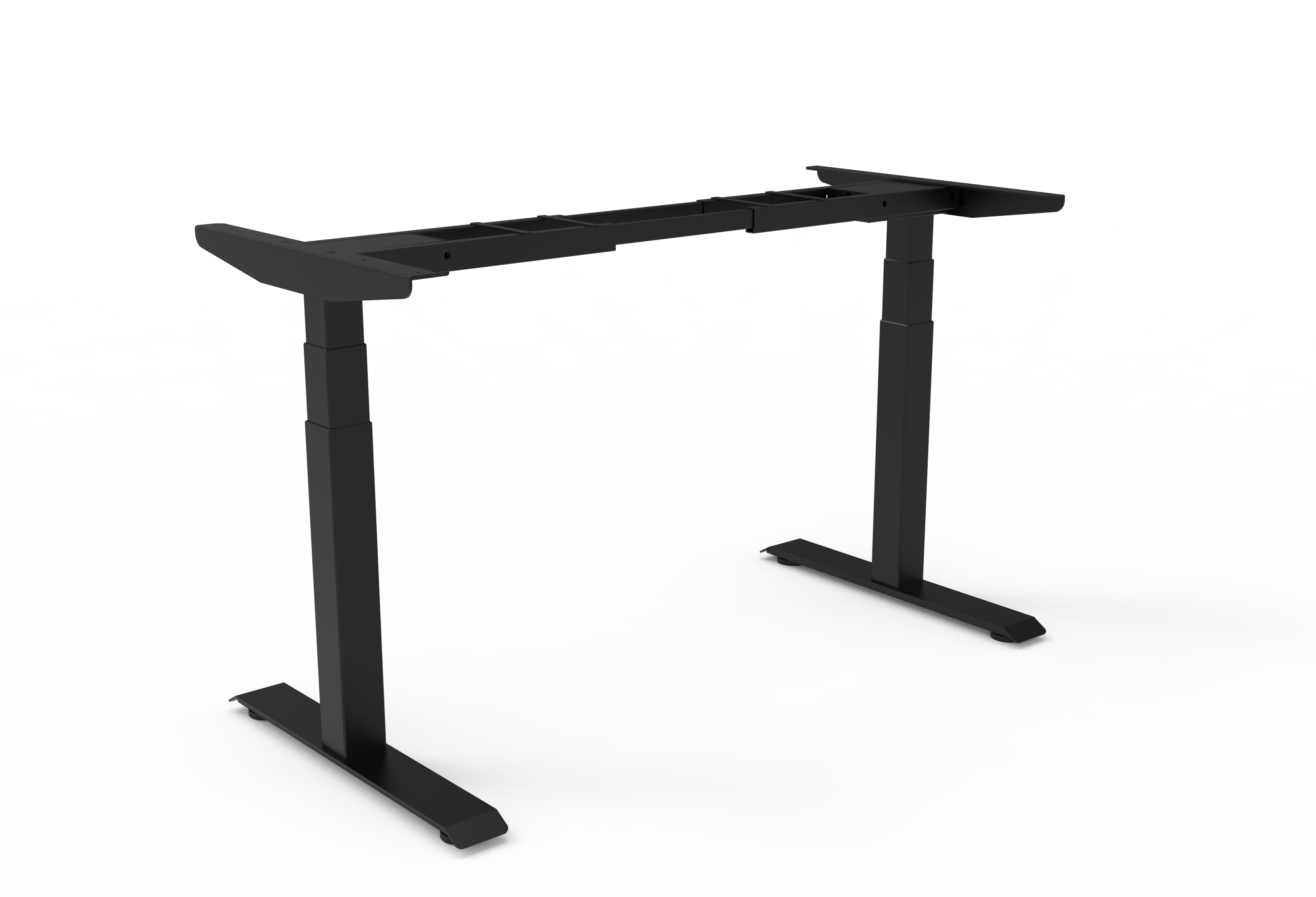
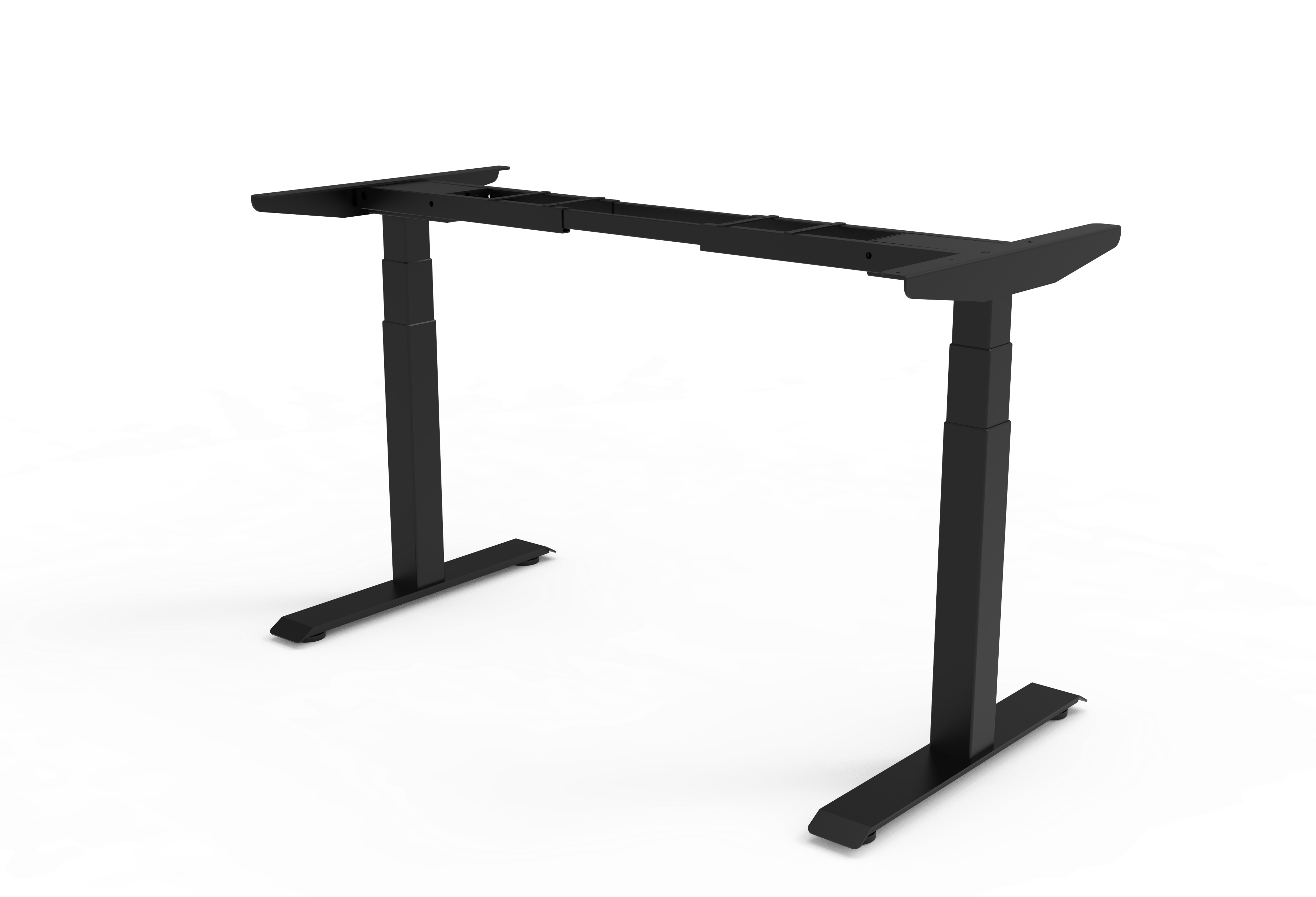
Distributors and brands may need to adjust their product portfolios to include lifting systems that support sit-stand alternation and flexible layouts. ETUP offers a range of electric standing desks and desk frames, but specific specifications, MOQ, lead times, etc., must be confirmed with ETUP.
3. Supply Chain Resilience
As demand stabilises, supply chain planning may become more predictable. Buyers should build long-term relationships with suppliers and confirm capacity and lead times. ETUP recommends that customers contact directly for the latest commercial information.
Procurement Checklist: Key Points for Standing Desk Purchasing in Hybrid Work Environments
The following checklist is for distributors, brands, contractors, and enterprises when purchasing electric standing desks and lifting systems. All items must be verified with the supplier.
- Load Capacity: Confirm whether the maximum load of the desk frame or lifting system meets the usage scenario. Contact ETUP to verify load parameters for specific models.
- Height Range: Check whether the lifting height range suits the target user group (e.g., employees of different heights).
- Motor and Control System: Understand motor type, noise level, control method (hand controller, app, etc.), and warranty policy. Contact ETUP for details.
- Desk Frame Compatibility: Confirm whether the desk frame is compatible with required desktop sizes and materials.
- Certifications and Compliance: Confirm required certifications for target markets (e.g., EU, North America, Middle East, Southeast Asia) such as CE, UL, BIFMA, etc. ETUP can provide relevant documents, but customers must confirm specific requirements.
- MOQ and Lead Time: Clarify minimum order quantity, production cycle, and logistics arrangements. Contact ETUP for the latest information.
- After-Sales Service: Understand warranty period, spare parts availability, and technical support.
- Samples and Testing: Request samples for testing to ensure products meet project requirements.
Regional Market Considerations
Different markets may have varying requirements and regulations for office furniture. For example, the European market may focus on environmental and ergonomic standards; the North American market may emphasise UL certification; the Middle East and Southeast Asia markets may focus on resistance to high temperatures and humidity. Buyers should confirm product suitability with suppliers based on target markets. ETUP serves multiple global markets, but specific certifications and suitability must be verified with ETUP.
Conclusion
The hybrid working stabilisation trend brings new opportunities and challenges to the B2B office furniture supply chain. By focusing on flexible office products, working closely with suppliers, and verifying commercial details, distributors, brands, and buyers can better respond to market changes. ETUP, as a supplier of electric standing desks and lifting systems, is committed to supporting customer needs, but all product performance and commercial terms must be confirmed directly with ETUP.
Sources
Topic signal: Hybrid working is stabilising around the world, office occupancy report claims - Workplace Insight (published 2026-02-06). This source is used as a topic signal only; it does not prove ETUP product performance.