Direct Answer: How Hybrid Work Is Reshaping the Office
Hybrid work has not eliminated the office; it has redefined it as a "culture-building urban hub." According to a feature article in ArchiExpo e-Magazine (used here only as a topic signal; see Sources below), offices are shifting from mere collections of workstations to spaces that foster collaboration, social connection, and brand culture. For B2B furniture buyers, this means procurement strategies must move from "maximizing desk count" to "supporting flexibility and employee experience."
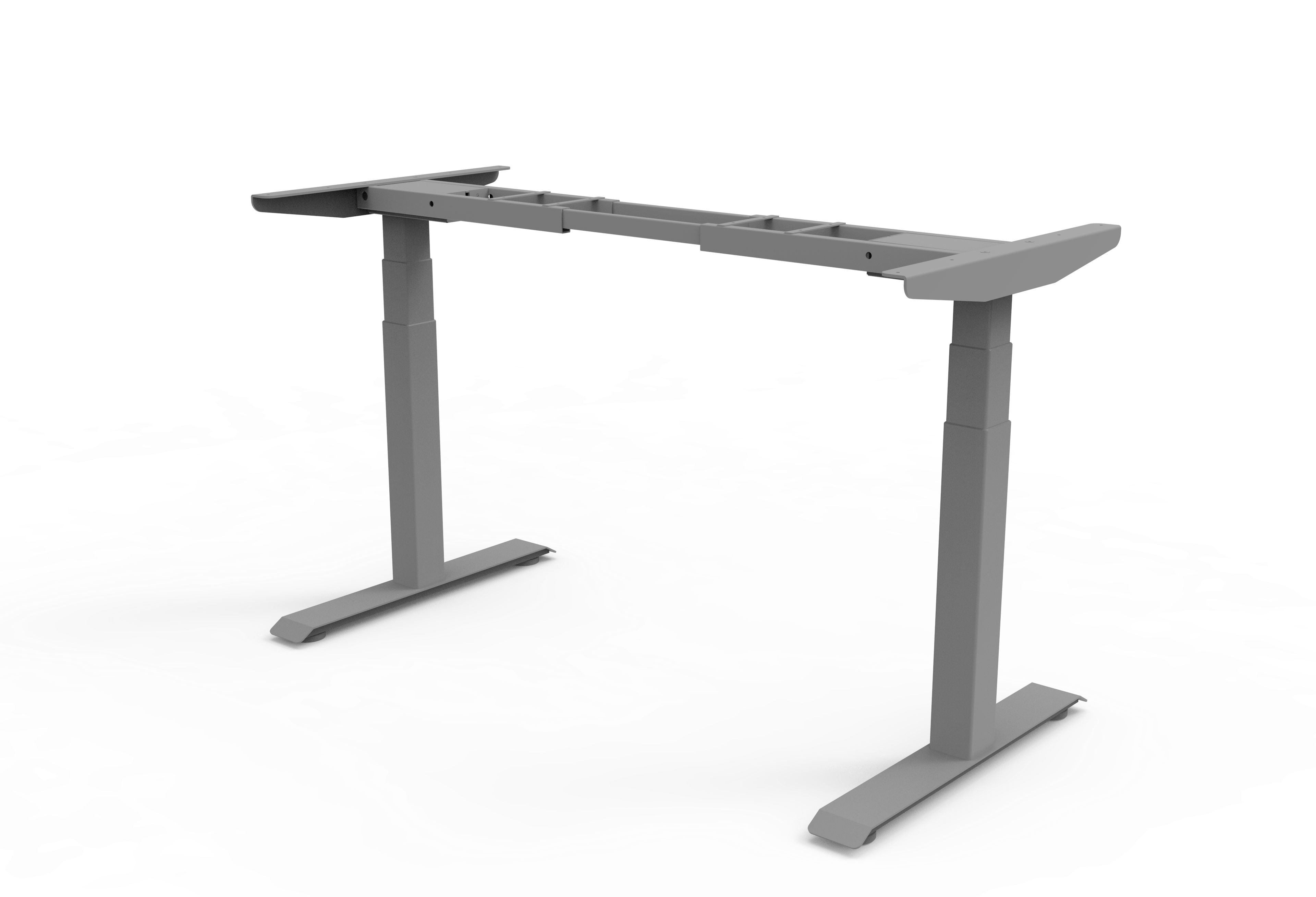
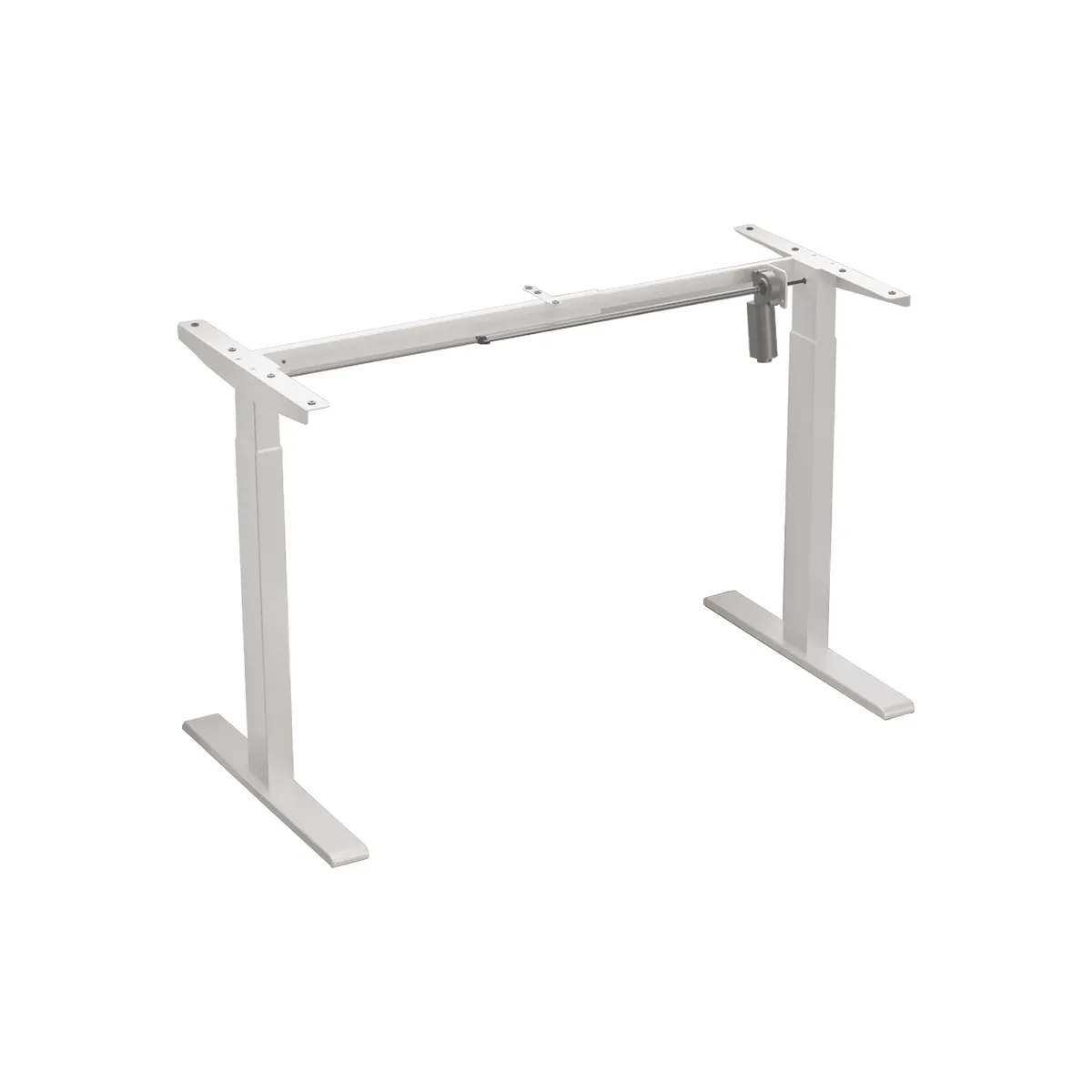
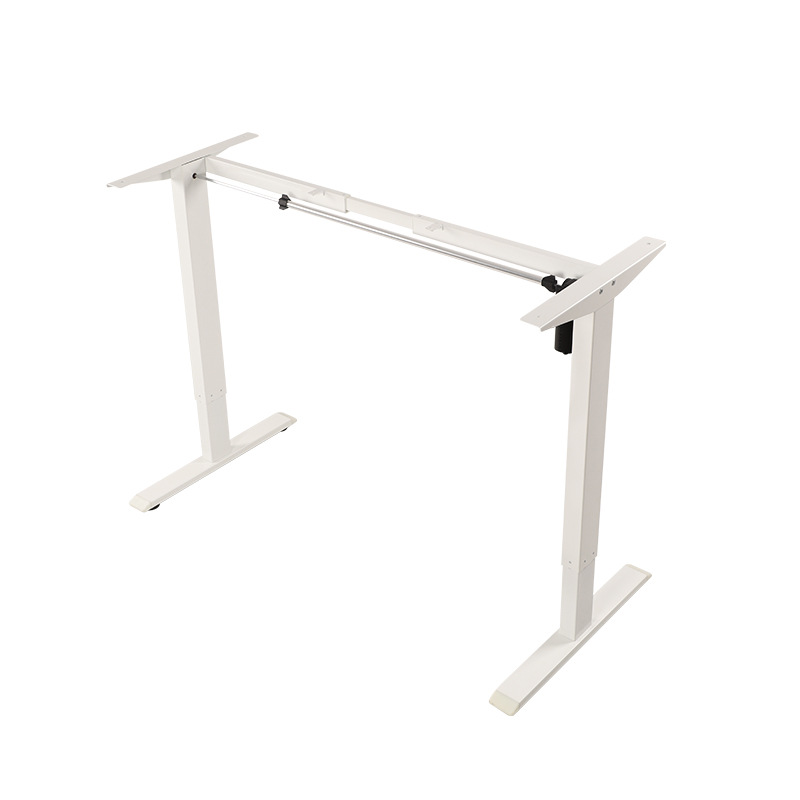
ETUP, as a B2B supplier of electric standing desks, desk frames, and lifting systems, is monitoring how this trend affects product demand. Please note: this article does not claim that the source proves ETUP product performance. All commercial details must be confirmed directly with ETUP.
Trend Analysis: From Workstations to Cultural Hubs
The ArchiExpo article uses FCA (an architecture and design firm) as an example to explore how offices can become "urban hubs" that attract employees back through design. Key points include:
- Office as a destination: Employees no longer commute daily, so the office must offer experiences that cannot be replicated at home—collaboration, social interaction, and cultural immersion.
- Flexibility and multifunctionality: Spaces must adapt to different activities (focus work, team meetings, social events), and furniture must support rapid reconfiguration.
- Health and well-being: Employees have higher expectations for their work environment, and ergonomic and sit-stand furniture are factors in attracting talent.
- Brand and cultural expression: The office becomes a physical manifestation of company values, and furniture choices and layouts communicate cultural signals.
These points align with discussions on hybrid work in markets such as Europe and North America, but implementation varies by company and region.
Procurement Implications for B2B Furniture Buyers
Based on these trends, different buyer roles need to adjust their procurement strategies:
Distributors and Office Furniture Brands
Offer a more flexible product portfolio that supports sit-stand transitions, mobility, and space reconfiguration. Electric standing desks and lifting systems can be a differentiator, but products must meet safety and quality standards in target markets. Contact ETUP to verify available product lines, certifications, and customization options.
Fit-out Contractors and Designers
In project planning, prioritize furniture systems that support hybrid work, such as height-adjustable desks, modular storage, and movable collaboration furniture. Designers should consider cable management, power integration, and spatial adaptability. ETUP's lifting systems can be integrated into custom desk frames, but specific specifications must be verified with ETUP.
Enterprise Buyers
Shift procurement decisions from "lowest cost" to "employee experience and long-term flexibility." Consider investing in adjustable desks to support diverse employee needs and multi-purpose use of space. Ask suppliers for detailed product specifications, warranty terms, and lead times—these details must be confirmed directly with ETUP.
Practical Buyer Checklist: Hybrid Workplace Furniture Procurement
Whether you are a distributor, contractor, or enterprise buyer, the following checklist can help you evaluate suppliers and products:
- Flexibility: Can furniture be quickly reconfigured? Do electric standing desks offer memory presets?
- Ergonomics: Is there sufficient adjustment range for different users?
- Durability and safety: Have products undergone relevant testing? Certification status must be confirmed with the supplier.
- Power and cable management: Are power outlets and cable management integrated?
- Delivery and installation: Can the supplier provide delivery and installation support in the target market?
- Warranty and after-sales: Warranty terms and after-sales service scope must be clarified.
- Customization: Is OEM/ODM supported? Minimum order quantity (MOQ) and lead times must be confirmed with ETUP.
- Compliance: Do products meet regulatory requirements in the target market (e.g., CE, UL)? Verify specific certifications with ETUP.
Please note: commercial details in the checklist above (such as MOQ, certifications, warranty) must be confirmed directly with ETUP. This article does not provide specific commitments.
Regional Market Considerations
Different markets have varying levels of hybrid work adoption and furniture demand:
- Europe: Emphasis on ergonomics and sustainability, with strict product certification requirements.
- North America: Focus on employee experience and flexibility; high acceptance of electric standing desks.
- Middle East: Growing demand for high-end projects, with emphasis on design and customization.
- Southeast Asia: Cost-sensitive, but hybrid work trends are emerging.
Buyers should adjust procurement strategies based on specific market needs and discuss suitable product solutions with ETUP.
Conclusion
The hybrid work trend is reshaping the role of the office, and B2B furniture buyers need to evolve from "workstation suppliers" to "experience enablers." By focusing on flexibility, ergonomics, and employee experience, and by choosing reliable suppliers, you can seize opportunities in this transition. ETUP supplies electric standing desks, desk frames, and lifting systems. Contact us to discuss your specific needs and confirm all commercial details.
Sources
This article is based on the following topic signal and does not copy the original content:
- ArchiExpo e-Magazine: The Hybrid Workplace: Turning Offices into Culture-Building Urban Hubs with FCA (Published: October 20, 2025)
Disclaimer: This is a B2B editorial draft for ETUP, intended for human review only and must not be treated as published content. All commercial details (including but not limited to certifications, MOQ, lead times, warranty) must be confirmed directly with ETUP.