Direct Answer: How Is Hybrid Work Changing the Value of Office Space?
Hybrid work has not eliminated the office; it has shifted its role from a collection of desks to a hub for culture-building and collaboration. According to a topic signal published by ArchiExpo e-Magazine on October 20, 2025, design firms such as FCA are reimagining office spaces as urban cultural nodes that attract employees back. This trend places new demands on the office furniture supply chain: products must support flexible layouts, healthy sit-stand alternation, and aesthetic integration. ETUP, a B2B supplier of electric standing desks, desk frames, and lifting systems, reminds buyers that all commercial details (such as MOQ, lead times, and certifications) must be verified with ETUP before procurement.
Signal Interpretation: From Desk Density to Culture Density
The ArchiExpo signal indicates that under hybrid work, employees no longer come to the office daily, so the office must offer experiences that home working cannot replicate: face-to-face collaboration, brand culture immersion, and social connection. Design strategies include:
- More collaboration and social spaces, fewer fixed desks;
- Flexible furniture that supports different work modes;
- Emphasis on health and well-being, such as sit-stand alternation;
- Integration of office space into the urban fabric as part of the community.
Implications for the Office Furniture Supply Chain
1. Flexibility and Reconfigurability
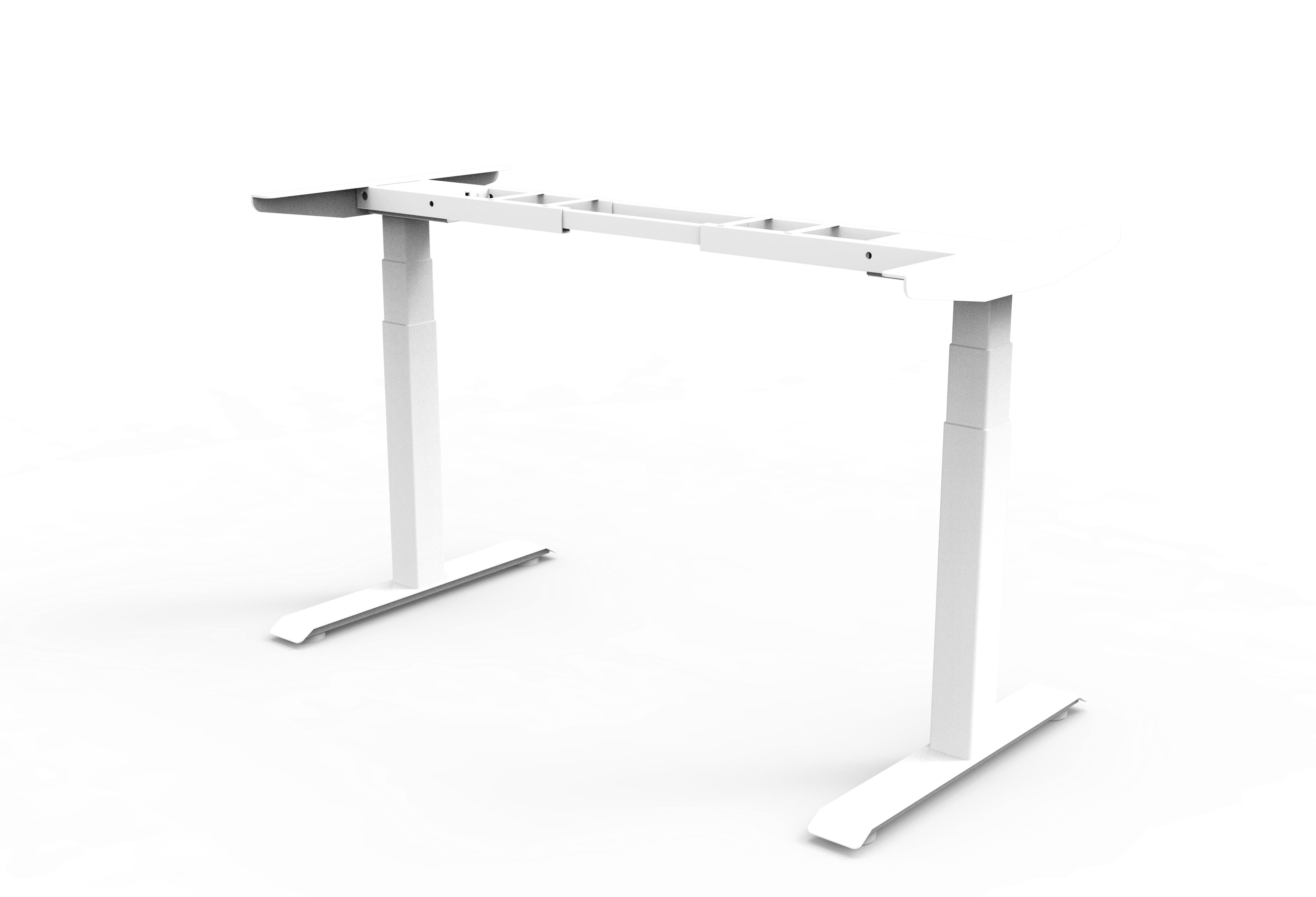
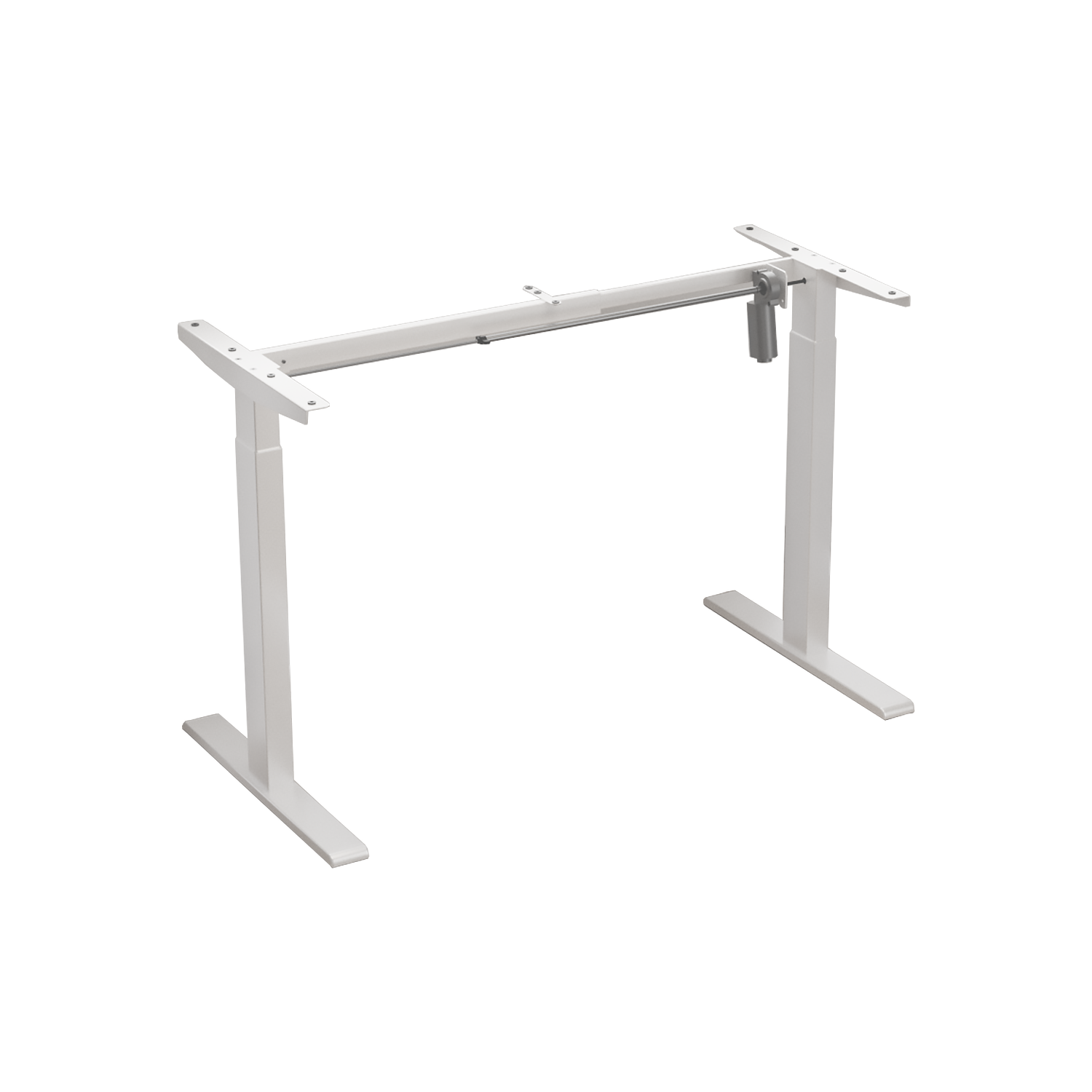
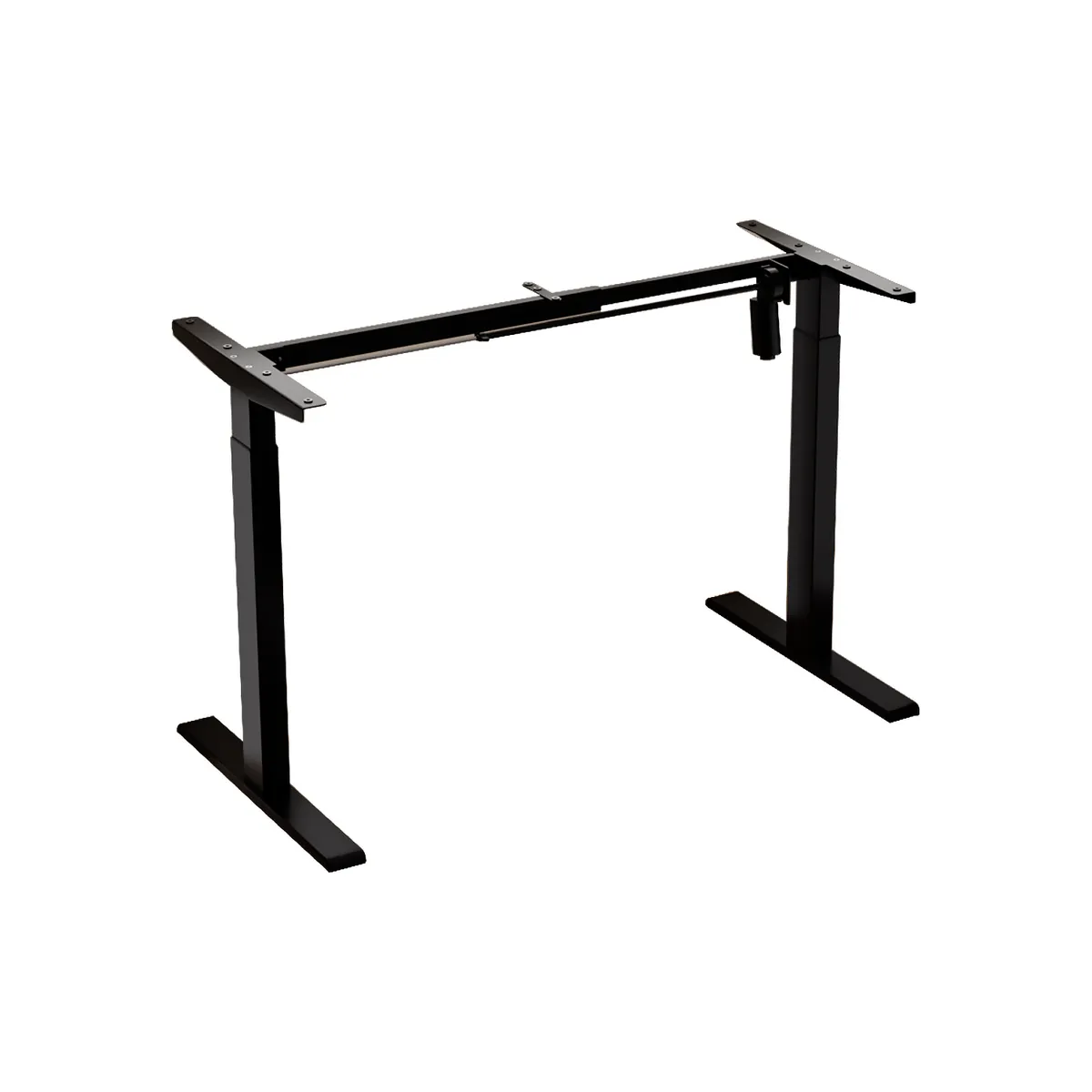
Hybrid office spaces require rapid layout changes. Electric standing desks and lifting systems should support height memory, quiet operation, and stable load capacity to accommodate different users and scenarios. ETUP offers various desk frames and lifting system options, but specific specifications must be confirmed with ETUP.
2. Health and Well-being
Sit-stand alternation is widely recognized as helping reduce sedentary behavior. When procuring, pay attention to noise level, speed, load capacity, and safety certifications of the lifting system. ETUP recommends that buyers request relevant test reports from suppliers and verify the scope of certifications.
3. Aesthetics and Brand Consistency
As office spaces become cultural carriers, furniture design must align with brand identity. Frame colors, desktop materials, and cable management solutions can be customized. ETUP provides OEM/ODM services; specific customization options must be verified with ETUP.
4. Sustainability and Compliance
European markets have strict environmental and compliance requirements. Buyers should confirm whether suppliers hold relevant certifications (e.g., CE, RoHS) and verify their validity. ETUP reminds that certification status may change; always confirm with ETUP before procurement.
Buyer Checklist: Electric Standing Desks and Lifting Systems
The following checklist helps B2B buyers systematically evaluate products for hybrid office projects:
- Load capacity and stability: Verify maximum load and stability during lifting; request test data from the supplier.
- Height range and speed: Confirm whether the height range meets different user needs and whether lifting speed suits frequent switching.
- Noise level: Hybrid spaces may be quieter; confirm operating noise is below agreed thresholds.
- Safety features: Anti-collision detection, overload protection, child lock, etc.
- Certifications and compliance: Request CE, RoHS, REACH certificates and verify validity.
- Warranty and after-sales: Clarify warranty period, spare parts availability, and after-sales response time.
- Customization capability: Frame colors, desktop sizes, cable management, control panel options, etc.
- MOQ and lead time: Confirm minimum order quantity, production cycle, and logistics arrangements with ETUP.
- Packaging and installation: Confirm packaging method, installation instructions, and whether professional installation is required.
- Sample evaluation: Request samples for practical testing before mass production.
All commercial details above (including MOQ, lead times, certifications, warranty, etc.) must be verified directly with ETUP before procurement; this article does not constitute any commercial commitment.
Regional Market Considerations
Different markets have different priorities for office furniture: European buyers focus on environmental compliance and design; North American buyers value load capacity and warranty; Middle Eastern buyers may prioritize heat resistance and durability; Southeast Asian buyers are sensitive to cost-effectiveness and lead times. ETUP recommends that buyers clarify priorities based on project location and communicate specific needs with ETUP.
Conclusion
Hybrid work is driving the transformation of offices into culture-building urban hubs, creating new opportunities for office furniture suppliers and buyers. By focusing on flexibility, health, aesthetics, and compliance, B2B buyers can better meet end-user needs. ETUP supplies electric standing desks, desk frames, and lifting systems and supports OEM/ODM cooperation. Contact ETUP to discuss your next project and verify all commercial details.
Sources
This article is based on the following topic signal and does not copy the original content:
The Hybrid Workplace: Turning Offices into Culture-Building Urban Hubs with FCA - ArchiExpo e-Magazine (Published: October 20, 2025)
This is a draft for human review and must not be treated as published content.