Direct answer
The hybrid workspace trend means B2B buyers should prioritize furniture that is shared, flexible, and adjustable. Electric standing desks and lifting systems are increasingly treated as project infrastructure rather than optional upgrades. However, sourcing decisions should not follow a trend signal alone; they should rest on verifiable specifications, compliance documents, delivery capability, and after-sales support. This article uses a CSUN Newsroom study report as a topic signal and translates it into a practical evaluation framework. Confirm all commercial details with ETUP before including them in contracts or tender documents.
What the topic signal says
On December 3, 2025, CSUN Newsroom published a report titled “A CSUN Study is Looking Towards the Future of the Hybrid Workspace.” This is a topic signal: it indicates that academic and institutional research is examining the future shape of hybrid work environments. It does not prove the performance of any specific product and should not be cited as test evidence for ETUP products. For buyers, the useful takeaway is directional: office spaces are moving from fixed workstations toward reconfigurable, shared, and adjustable environments.
Why this matters for standing desk sourcing
Hybrid work means the same desk may be used by different people on different days, or may need to switch quickly between sitting and standing within a shared space. This creates three sourcing shifts:
- Higher adjustment frequency: Shared use can increase daily actuation cycles. Buyers should review durability documentation for motors, control boxes, and drive components, and request verifiable specification sheets.
- Standardization and modularity: Fit-out contractors and distributors tend to prefer desk frames and lifting systems that can be installed in batches with common accessories, reducing on-site adjustment costs.
- Compliance documents upfront: Enterprise buyers often require electrical safety, electromagnetic compatibility, and material-related environmental documents at the tender stage. Applicable standards vary by market; contact ETUP to verify the document list for your target market.
What it means for different B2B customers
Distributors and office furniture brands
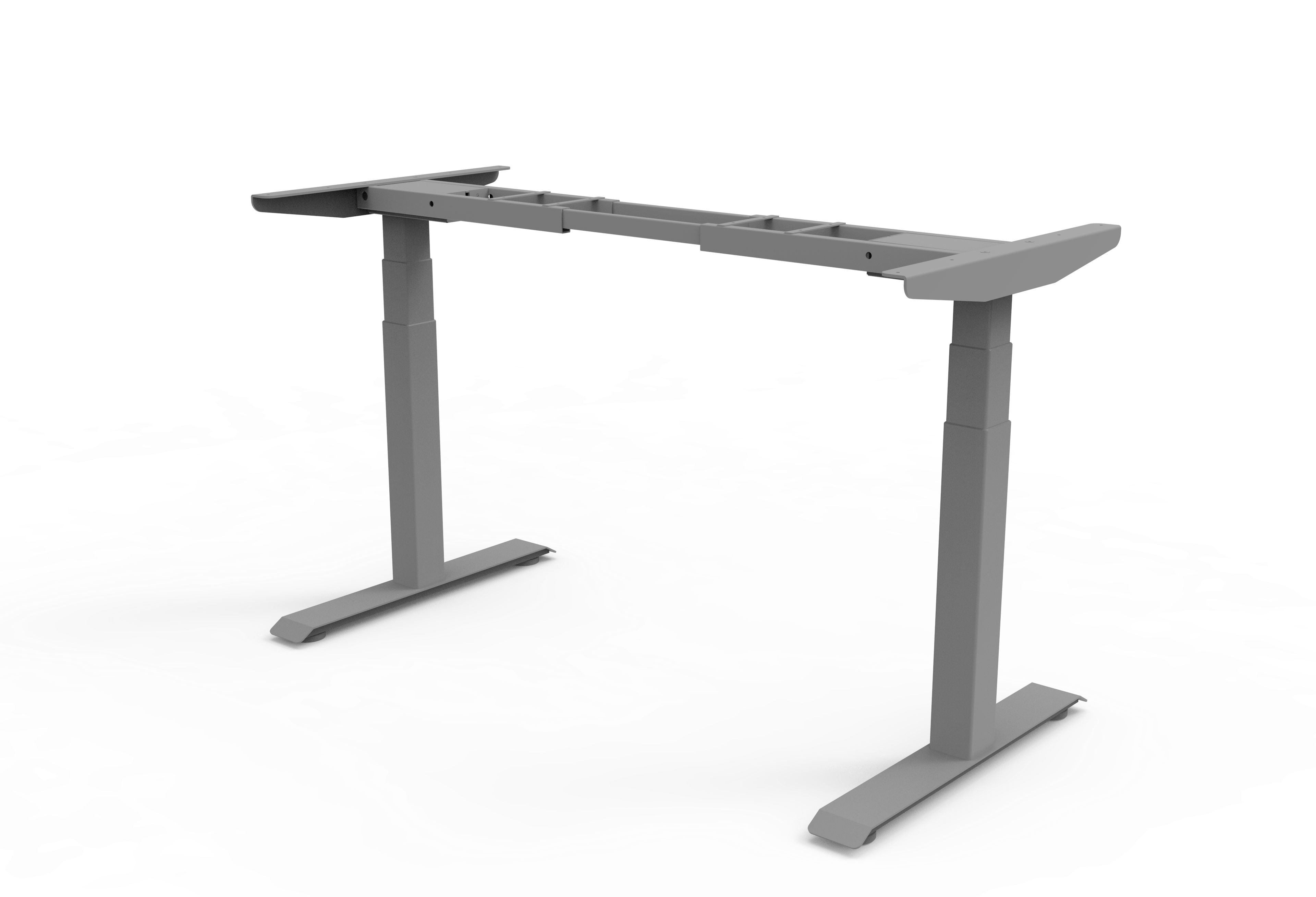
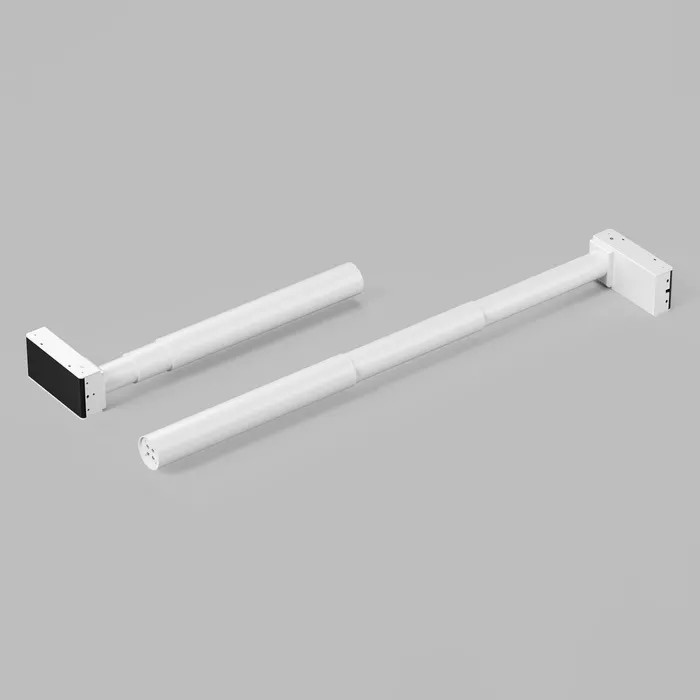
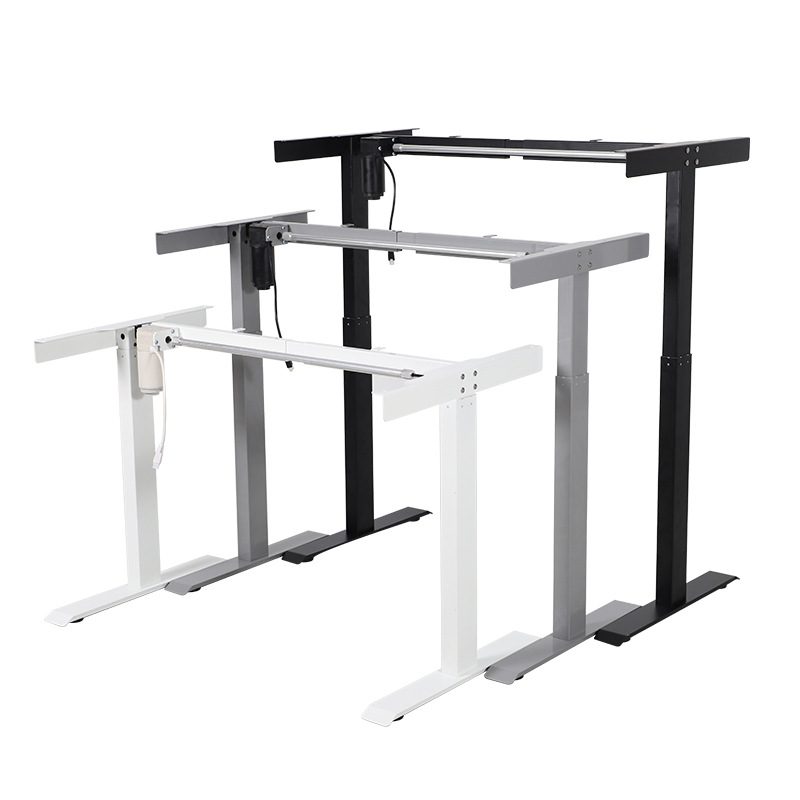
They need a stable product line and predictable lead times. Clarify at the inquiry stage whether frames and lifting systems are supplied as complete sets or as separate components, and confirm packaging, installation instructions, and spare-parts strategy. Contact ETUP to verify MOQ, lead times, and customization scope.
Fit-out contractors and designers
They need dimensional compatibility and installation efficiency. Confirm the desktop size range, lifting stroke, control options, and cable management approach in advance. Designers should also consider how standing desks combine with shared workstations, meeting tables, and storage systems.
Enterprise buyers and OEM/ODM customers
Enterprise buyers focus on total cost of ownership, after-sales response, and batch consistency; OEM/ODM customers focus on structural customization, appearance customization, and certification support. Any certification, test report, or warranty term should be based on formal documents provided by ETUP, not inferred from this article.
Buyer checklist
Use this checklist for internal review and supplier communication; it does not replace a formal technical agreement:
- Use case: Fixed workstation, shared workstation, or mixed use? Is there an internal estimate of daily adjustment cycles?
- Specification fit: Do desktop size, lifting stroke, load range, and speed meet project requirements? Request specification sheets from ETUP.
- Electrical and compliance: Which safety and environmental documents does the target market require? Contact ETUP to verify the document types available.
- Control and safety: Are there documented descriptions of anti-collision and overload protection features? Feature names and implementation should follow supplier documents.
- Installation and maintenance: Are installation instructions, spare-parts supply, and after-sales processes clear?
- Commercial terms: Are MOQ, lead time, packaging, and warranty scope confirmed in writing?
- Sample validation: Is a sample test arranged, with test conditions and results recorded?
Common pitfalls
First, treating a trend report as proof of product performance. Second, comparing unit prices while ignoring installation, spare-parts, and after-sales costs. Third, writing certifications or parameters into tender documents without supplier confirmation. Fourth, overlooking how shared use affects actuation frequency. Fifth, failing to define acceptance criteria and responsibility boundaries in the contract.
Recommended next steps
Turn this checklist into an internal RFQ template and confirm each item with ETUP. ETUP supplies B2B electric standing desks, desk frames, and lifting systems. For specific certifications, MOQ, lead times, capacity, warranty, and customization capability, contact ETUP to verify before using the information in external documents.
Sources
Topic signal: CSUN Newsroom, “A CSUN Study is Looking Towards the Future of the Hybrid Workspace,” December 3, 2025. Original link. This link is cited only as a topic signal and does not represent verification of the report or an endorsement of ETUP products.