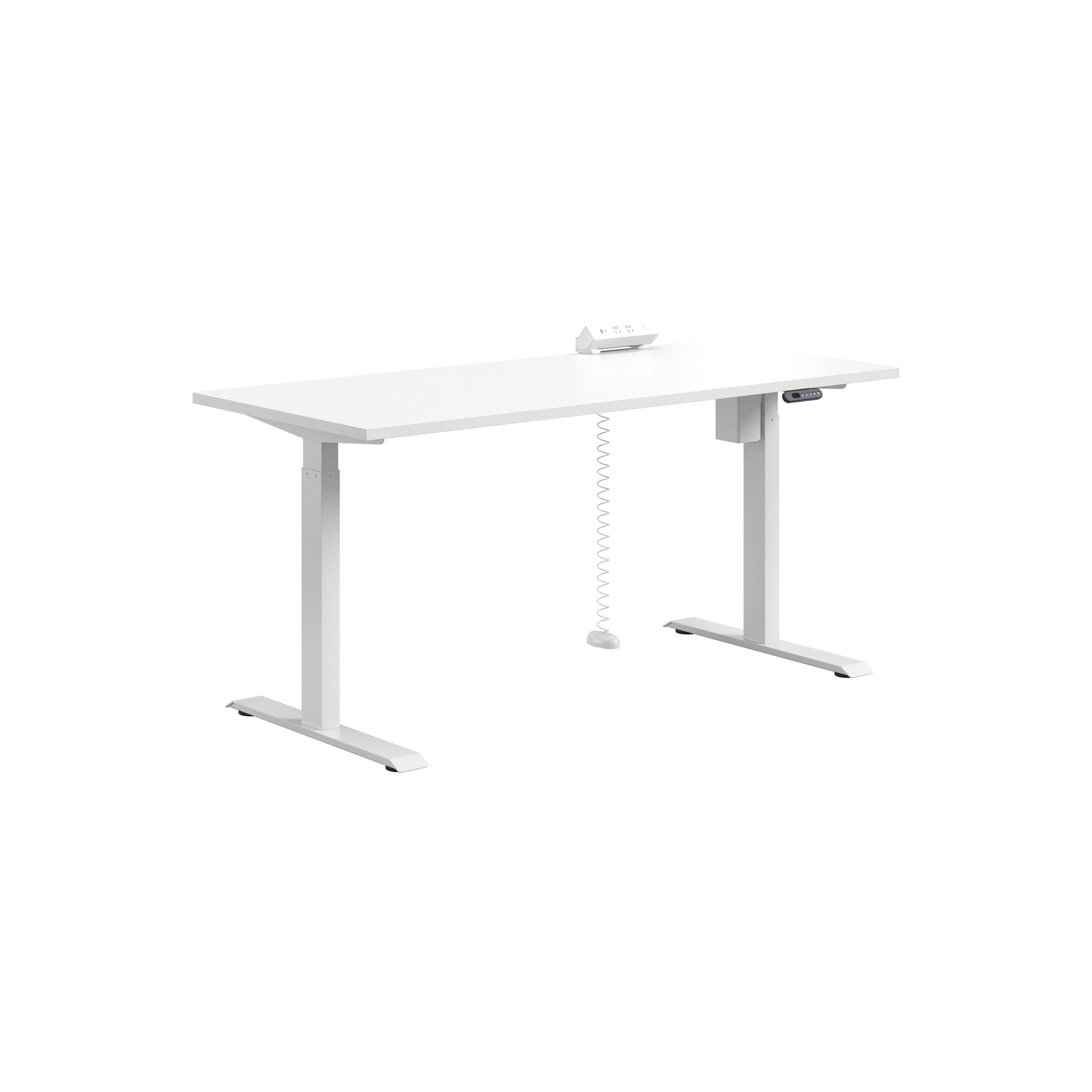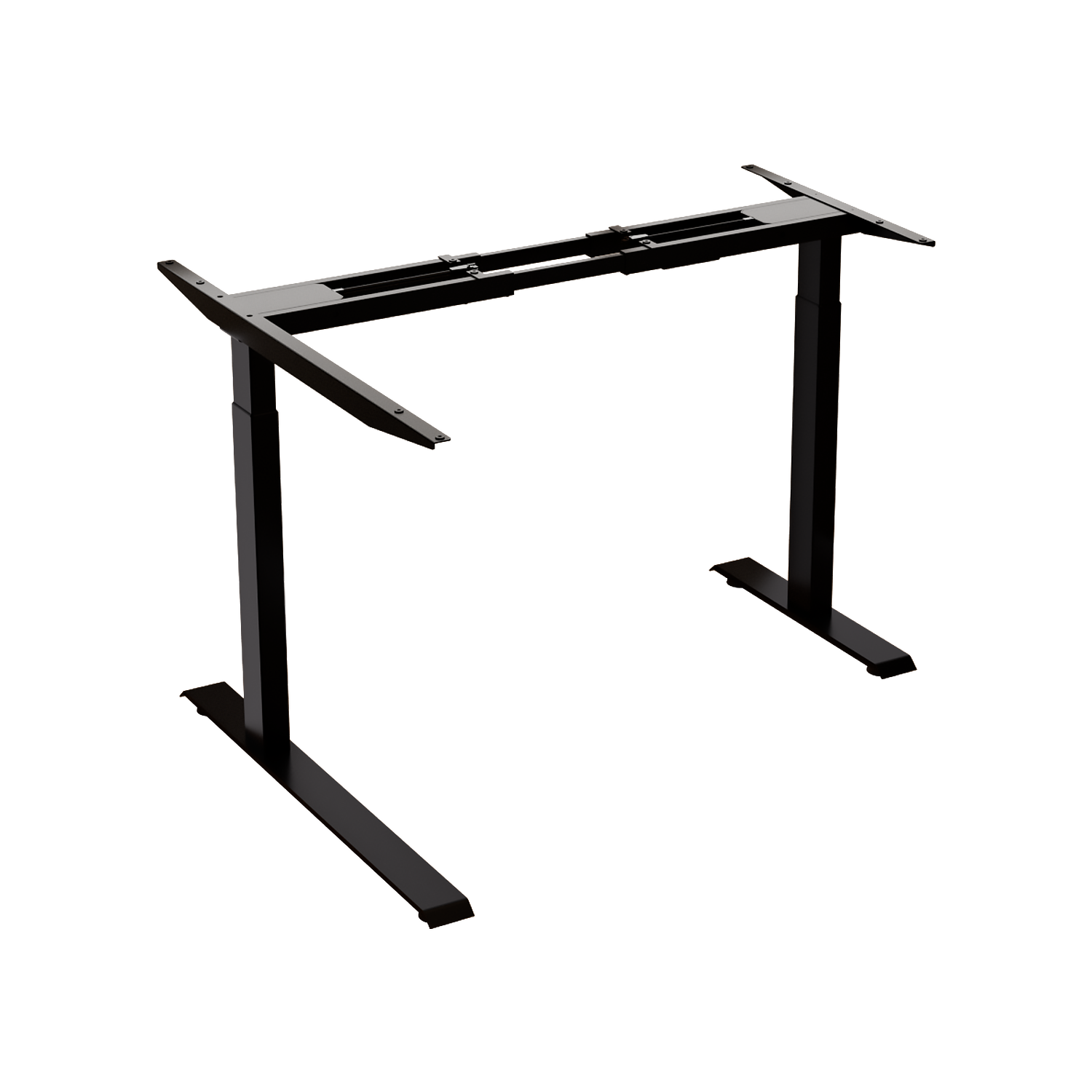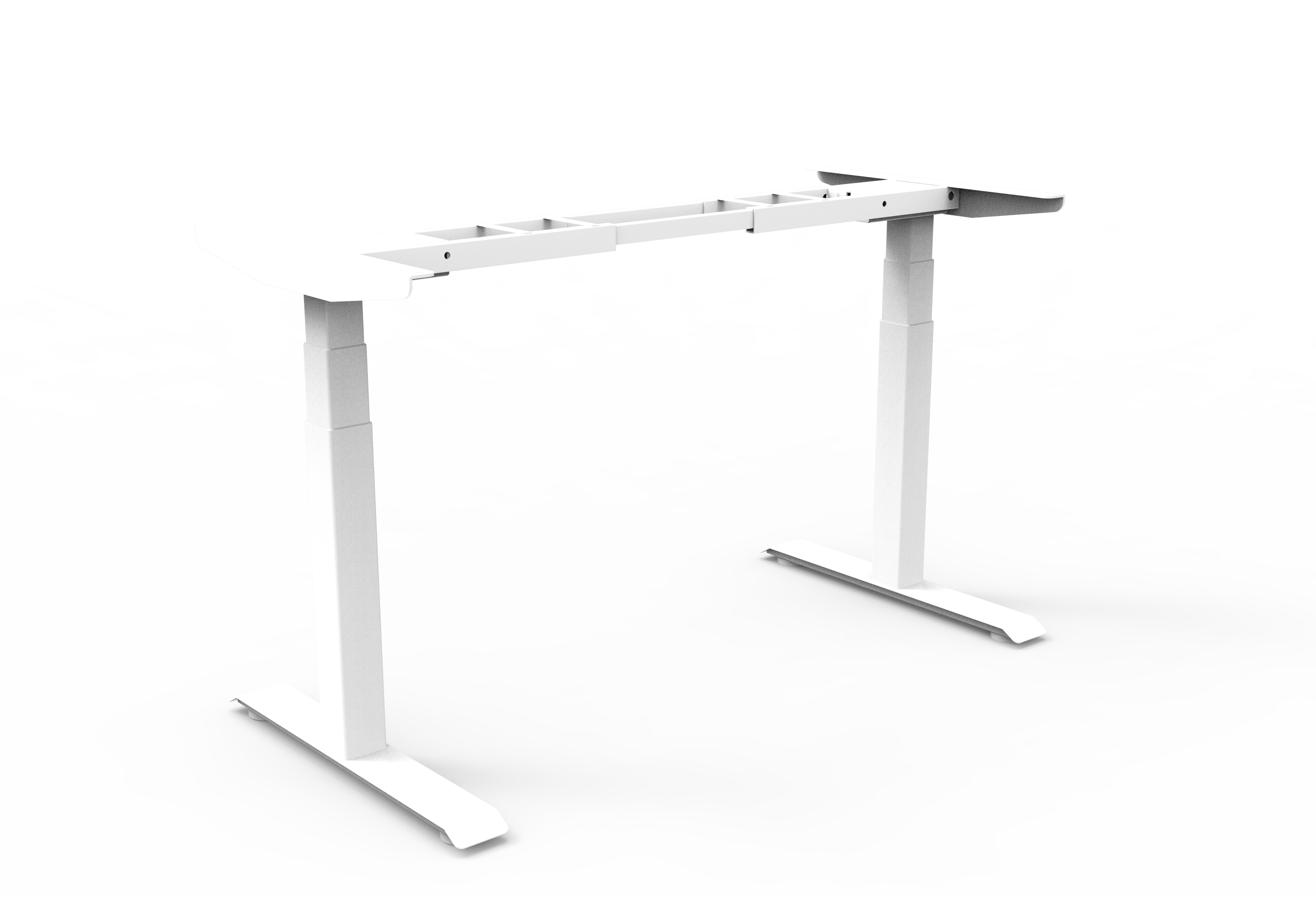
Direct answer
Interface launched its Sandbox carpet tile collection in September 2026, positioned for dynamic environments such as kindergartens, high schools, and collaborative headquarters. The collection emphasizes bold patterns, energetic colorways, and balanced textures to define transitions, guide movement, and give shared spaces their own character. For ETUP's B2B customers, the value of this signal is not the carpet itself but what it confirms: education and workplace spaces are moving toward flexible, reconfigurable layouts that support multiple modes of activity. Standing desks, desk frames, and lifting systems are adjustable furniture within the same space, so they should be specified alongside flooring, circulation, and zoning decisions rather than in isolation. Confirm all commercial details (MOQ, lead times, certifications, warranty, and so on) with ETUP before writing them into project specifications.
Reading the signal: why a carpet launch matters to standing desk buyers
This article relies only on the Office Insight news signal and does not claim it proves ETUP product performance. The signal shows Interface positioning Sandbox explicitly for environments that "refuse to stand still," from kindergartens and high schools to collaborative headquarters. That carries at least three implications:
- Finer spatial zoning. Carpet is used to define transition and shared areas, which suggests projects are being divided by activity type rather than by department.
- Sustained attention to education. Kindergartens and high schools are named together, indicating that K-12 and higher education remain important demand sources for furniture and flooring.
- Visual identity and function together. Bold patterns and energetic colors serve wayfinding and recognition, which mirrors the logic of adjustable furniture that supports multiple postures and activity shifts.
As a result, standing desk suppliers and buyers should treat flooring, circulation design, and adjustable furniture as one spatial system rather than three separate procurement packages.
Practical implications for B2B buyers
Distributors and office furniture brands
When a project uses high-visual-impact carpet, desk frames and lifting systems need to coordinate in color, finish, and cable management. Distributors can ask about the flooring plan at the quotation stage to reduce later color-matching rework. Contact ETUP to verify available finishes and matching capabilities.
Fit-out contractors and designers
Carpet-defined transition zones often correspond to stand-up meetings, quick collaboration, or temporary learning points. These locations are better suited to height-adjustable tables than fixed-height furniture. Designers should confirm lifting range, desktop dimensions, and power locations during design development to avoid routing conflicts after flooring is installed.
Enterprise buyers and education institutions
Education settings demand durability, safety, and ease of maintenance. Buyers should include warranty terms, spare parts availability, and after-sales response in tender evaluation. ETUP's specific warranty and after-sales policies must be confirmed item by item in the contract.
OEM/ODM customers
Brands planning bundled offers around "dynamic learning spaces" or "collaborative headquarters" may consider aligning project language with flooring brands to create joint proposals. Any co-branding or custom development details must be confirmed separately with ETUP.
Procurement in practice: turning a spatial signal into specifications
The checklist below is for project review meetings and does not constitute a performance claim about ETUP products. Each item requires written confirmation from ETUP.
- Use case: Identify whether each zone is a kindergarten, high school classroom, collaborative headquarters, or transition area, and record expected daily adjustment frequency.
- Lifting range and desktop size: Determine based on user height ranges and spatial dimensions; education settings require particular attention to younger users' safety.
- Frame structure and stability: Confirm dual-column or single-column configuration, crossbeam setup, and load capacity, and request test evidence.
- Lifting system and controls: Confirm motor, control box, handset interfaces, and whether multi-desk synchronization is supported; anti-collision and overload protection must be clearly documented.
- Cable management: Design alongside flooring and power locations to avoid re-cutting after carpet installation.
- Finishes and colors: Request physical swatches and compare against the carpet scheme.
- Certifications and compliance: List required certifications for target markets (Europe, North America, the Middle East, Southeast Asia) and verify available documents with ETUP.
- MOQ, lead time, and spare parts: Confirm by project batch and attach to the contract.
- Warranty and after-sales: Clarify warranty period, response time, and spare parts supply cycle.
- Packaging and logistics: Confirm export packaging standards and destination port requirements.
Risks and boundaries
It is important to stress that Interface's announcement does not prove ETUP product performance, compatibility, or project suitability. Carpet and standing desks belong to different categories and have no technical dependency. This analysis infers spatial trends only from a public signal, and any procurement decision should rely on formal specifications, test reports, and contract terms provided by ETUP. In addition, the signal provides no market size, growth rate, or procurement volume data and should not be used to estimate demand.
Recommended next steps
Procurement teams should add a joint "flooring–furniture–circulation" review item to their next project meeting and move standing desk specification confirmation earlier into design development. To learn about ETUP's standing desks, desk frames, and lifting systems and the commercial documents available, contact ETUP directly to verify.
Sources
Topic signal: Interface Launches Sandbox Carpet Tile Collection for Education and Workplace Spaces, Office Insight, published 2026-09-18. Used as a market signal only; not evidence of ETUP product performance.