Direct answer: What does this signal mean for B2B sourcing?
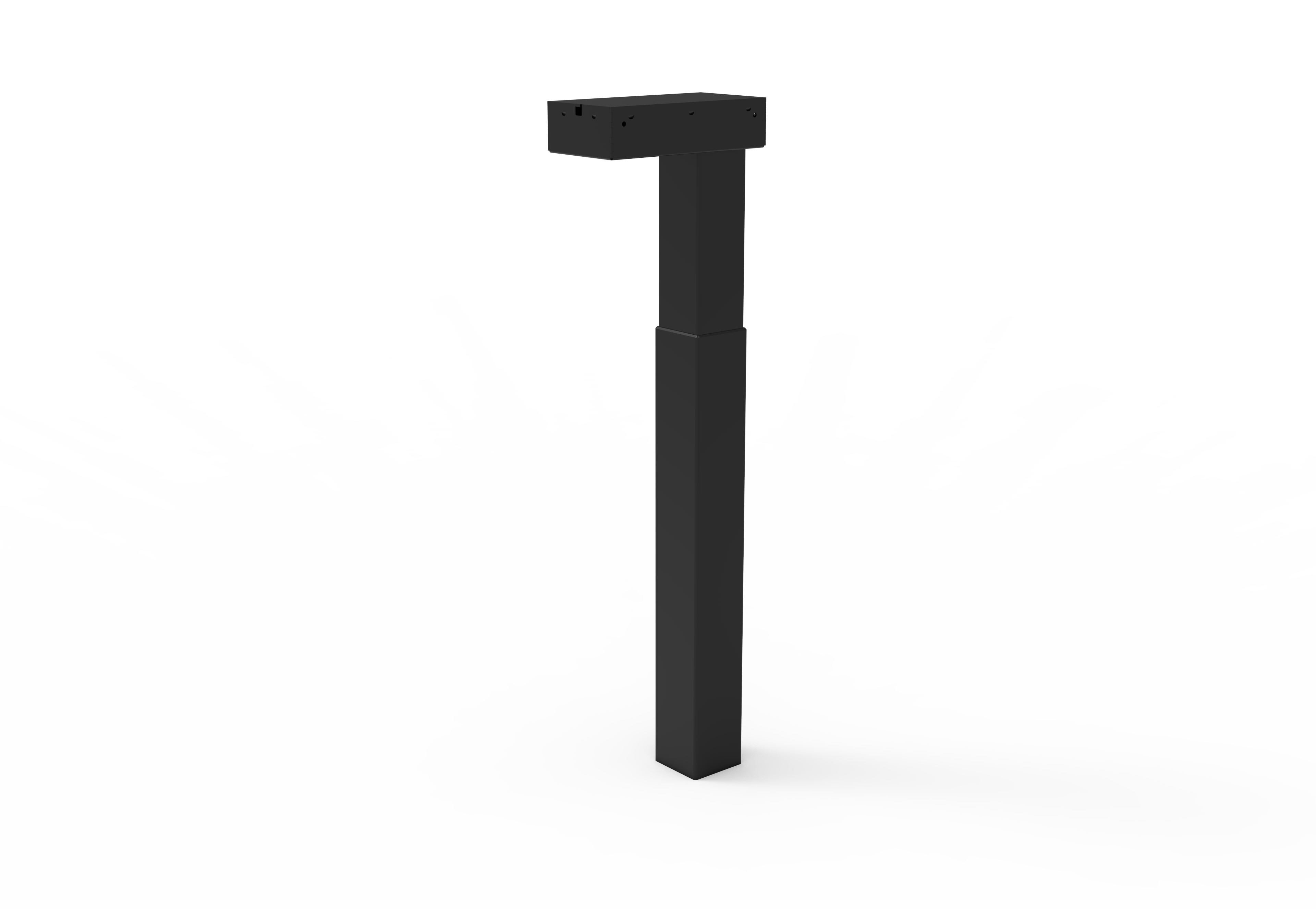
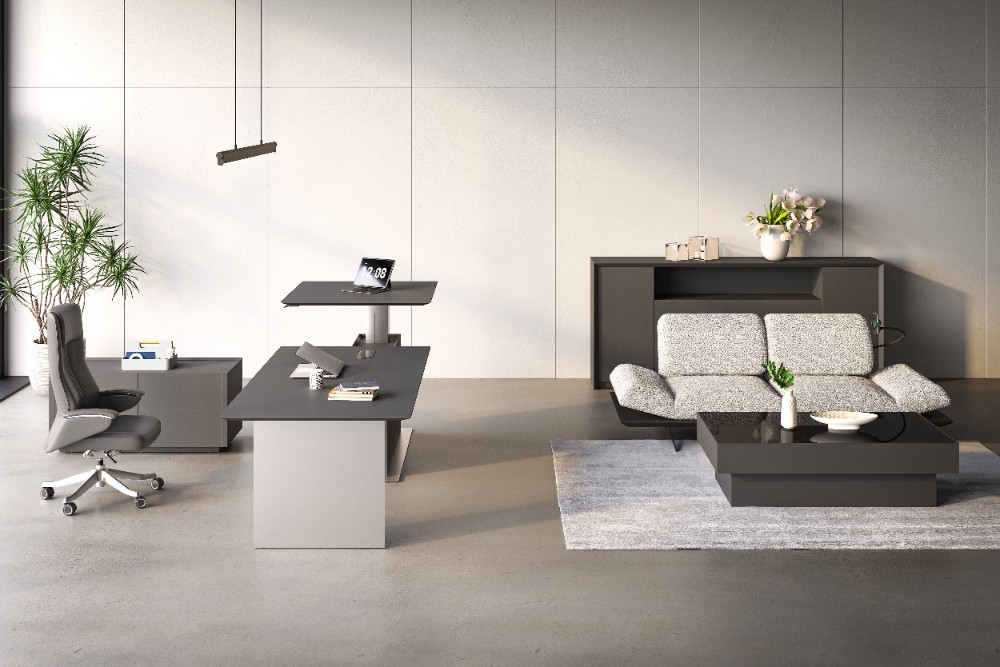
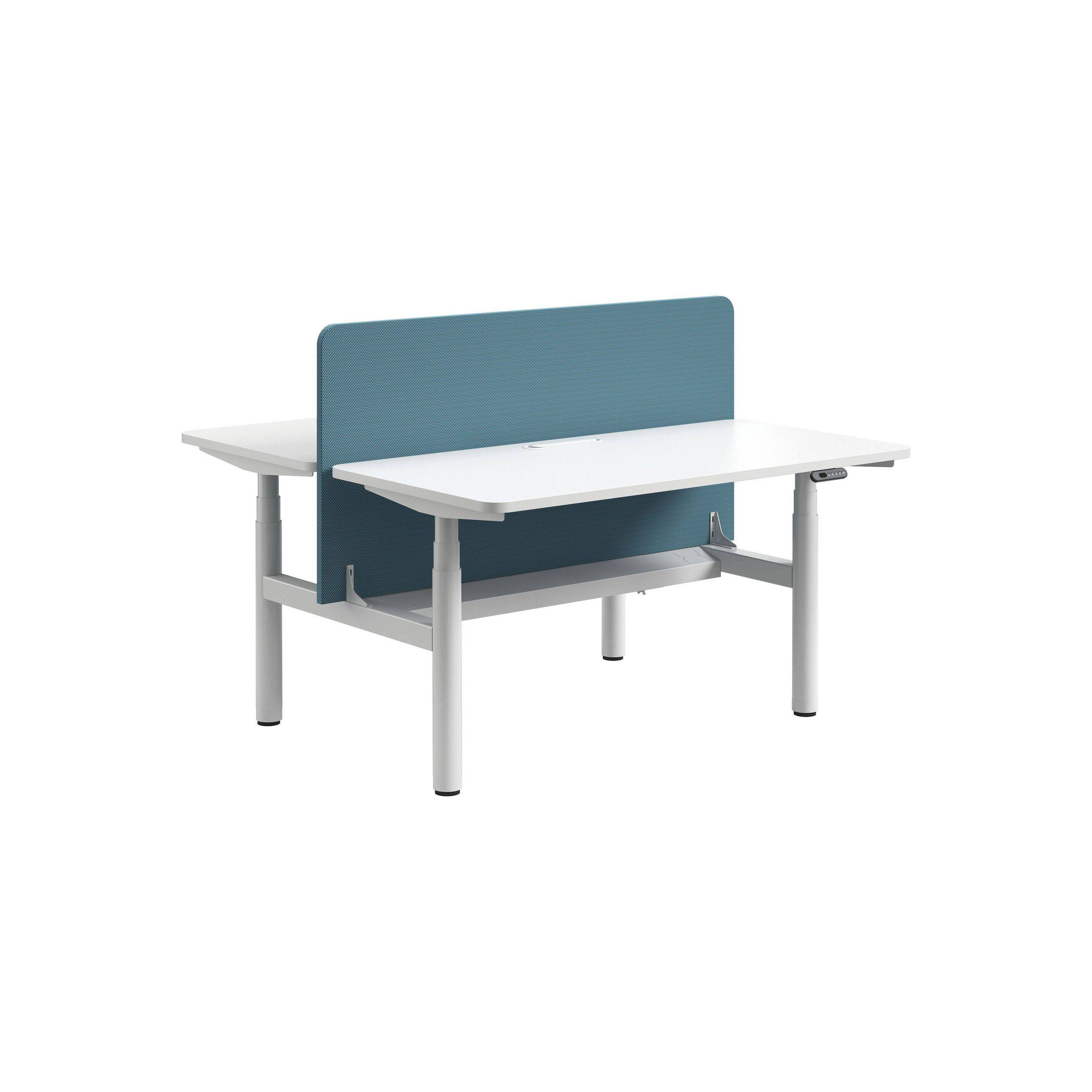
ArchDaily's recent coverage of the LANA laptop stand (used here as a topic signal, not as proof of ETUP product performance) reflects a broader trend: ergonomic accessories are shifting from standalone items to part of integrated workspace design. For distributors, office furniture brands, fit-out contractors, and enterprise buyers, this means that when selecting sit-stand desks and desk frame systems, compatibility, cable management, and overall spatial integration deserve more attention—not just individual product specifications. ETUP supplies B2B electric standing desks, desk frames, and lifting systems. Buyers should factor accessory ecosystems into their sourcing evaluation. Contact ETUP to verify all commercial details.
Why this signal matters
ArchDaily positions LANA as an ergonomic laptop stand that integrates into workspace design. This is not an isolated product launch but a reflection of a structural shift in the office furniture industry: end users and designers increasingly expect ergonomic equipment to be visually and functionally coherent with the overall space. For the B2B supply chain, this implies:
- Accessories are no longer afterthoughts: Laptop stands, monitor arms, and cable management systems need to match sit-stand desks and desk frames in dimensions, mounting methods, and aesthetics.
- Design integration becomes a differentiator: Office furniture brands and fit-out contractors increasingly need to offer complete workspace solutions rather than single products when bidding.
- OEM/ODM demand evolves: Customers may require suppliers to provide compatible accessory interfaces or co-development capabilities, not just standard desk frames.
Note that this analysis is based on industry observation and does not constitute validation of ETUP products by the source. Contact ETUP to verify specific product compatibility and customization capabilities.
Practical implications for B2B buyers
1. Distributors and office furniture brands
If your customer base includes enterprise buyers or designers, a single sit-stand desk product may not satisfy their demand for spatial coherence. Consider including compatible accessory ecosystems in your sourcing portfolio, or confirm with suppliers whether they support customization of accessory interfaces. Contact ETUP to verify whether its lifting systems and desk frames support specific accessory interfaces.
2. Fit-out contractors and project work
In office fit-out projects, cable management and accessory installation for sit-stand desks often affect delivery quality and later maintenance. Confirming the desk frame system's cable routing design, accessory mounting holes, and compatibility in advance can reduce on-site adjustments. Contact ETUP to verify specific technical parameters.
3. Enterprise buyers
When evaluating sit-stand desks, enterprise buyers should consider not only height range, load capacity, and stability but also accessory needs in real employee scenarios (e.g., laptop stands, monitor arms). Choosing a desk frame system that supports accessory expansion may reduce future upgrade costs. Contact ETUP to verify whether its products meet these needs.
4. OEM/ODM customers
If you are developing a private-label ergonomic workstation line, integrated accessory and desk frame design may be a differentiation direction. When discussing interface standards, aesthetic coordination, and packaging with suppliers, clarifying requirements helps reduce development iterations. Contact ETUP to verify the scope of its OEM/ODM services.
Buyer checklist
When evaluating sit-stand desks and desk frame systems, consider confirming the following with suppliers (contact ETUP to verify specifics):
- Accessory compatibility: Does the desk frame reserve accessory mounting interfaces? Does it support third-party laptop stands or monitor arms?
- Cable management: Does the desk frame include cable trays or routing systems? Do they conflict with accessory mounting positions?
- Dimensional fit: Are desktop dimensions and thickness compatible with planned accessories?
- Mounting method: Are accessories clamp-mounted, through-hole mounted, or magnetic? Is additional machining required?
- Aesthetic coordination: Do desk frame colors and finishes match accessory styles?
- Certification and compliance: Are certification requirements for target markets (e.g., EU, North America, Middle East, Southeast Asia) met?
- MOQ and lead time: What are the minimum order quantities and lead times for accessories or customized desk frames?
- After-sales support: What is the process for replacement parts if accessories are damaged or missing?
This checklist is a general sourcing reference and does not constitute a statement about ETUP product performance. All commercial details are subject to ETUP's official confirmation.
Conclusion
The LANA laptop stand coverage is a signal worth noting: ergonomic accessories are integrating into workspace design, and B2B buyers should include accessory ecosystems and integration capabilities in their evaluation of sit-stand desks and desk frame systems. ETUP supplies B2B electric standing desks, desk frames, and lifting systems. Contact ETUP to verify product compatibility, certifications, MOQ, and lead times. This article is a draft and must be reviewed by a human before publication.
Sources
Topic signal: ArchDaily, "Gallery of LANA: An Ergonomic Laptop Stand That Integrates into Workspace Design - 4," link. This source is used only as a topic signal and does not prove ETUP product performance.