Direct answer: B2B buying should not be led by 'luxury' labels
Creative Bloq recently reported that a chair described as bringing a 'luxury' feel to budget ergonomic office chairs was discounted by $80 during Amazon's early Prime Day sale. This is a retail signal aimed at end consumers, not a basis for B2B procurement. For distributors, office furniture brands, fit-out contractors, and enterprise buyers, the real question is how to evaluate office furniture and lifting systems using verifiable specifications, compliance documents, and total cost of ownership—not marketing language. ETUP, as a B2B supplier of electric standing desks, desk frames, and lifting systems, recommends treating such promotional news as a market-interest reference, not as proof of product performance.
Why the 'affordable luxury' narrative needs unpacking in B2B
'Affordable luxury' usually means offering a design or material experience close to premium products at a more acceptable price. In retail, this is effective positioning language. In B2B, however, procurement involves batch delivery, installation, after-sales service, and long-term use; a 'premium feel' alone cannot support a contract. Buyers should break the narrative into verifiable dimensions: structural stability, durability of the lifting system, electrical safety, material environmental performance, packaging and logistics efficiency, and supplier responsiveness. None of these can be concluded from a promotional article; they must be confirmed through sample testing, technical documentation, and factory audits.
Limited reference value of retail promotions for B2B
Promotional news can indicate competitive heat in a price band or rising consumer interest in 'ergonomics.' It cannot prove the actual performance of a specific product, nor can it be used to infer ETUP product performance. B2B buyers should focus on their own project requirements: employee workstation upgrades, hybrid-office renovations, or integrated fit-out of an entire floor. Different scenarios have very different requirements for load capacity, lifting speed, noise, memory presets, and synchronization control, and these must be confirmed item by item with the supplier.
Four rational evaluation dimensions for B2B procurement
1. Specifications and system compatibility
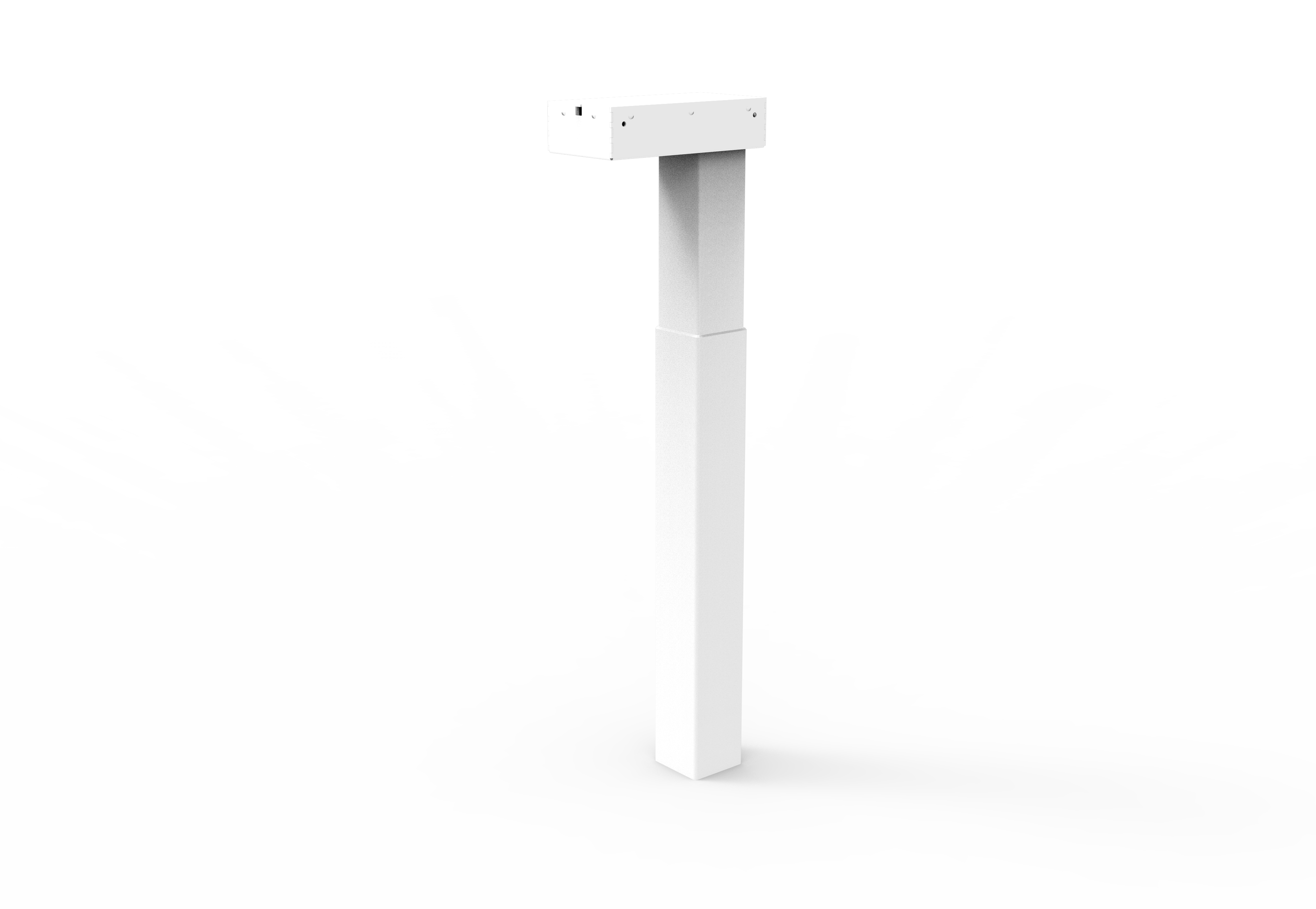
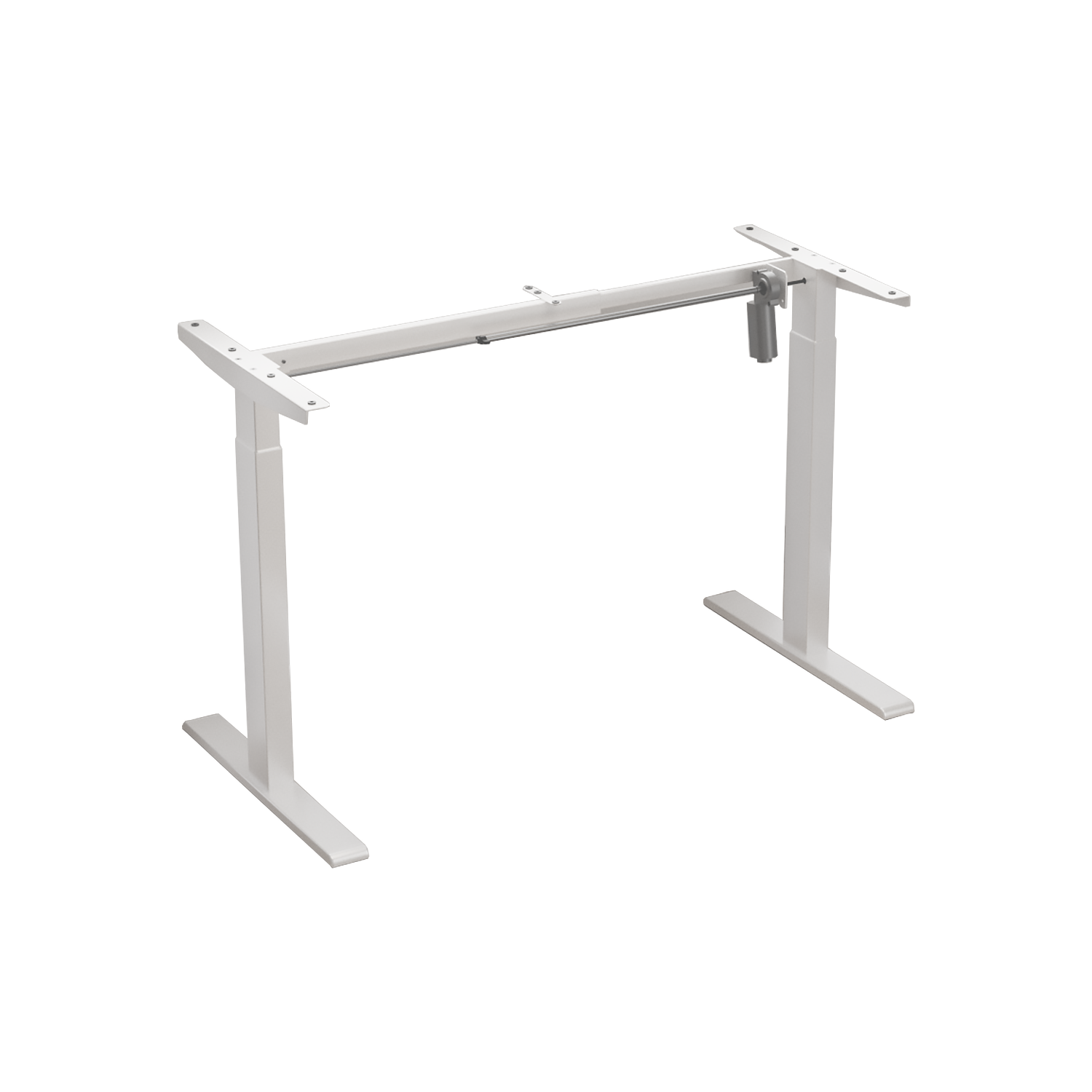
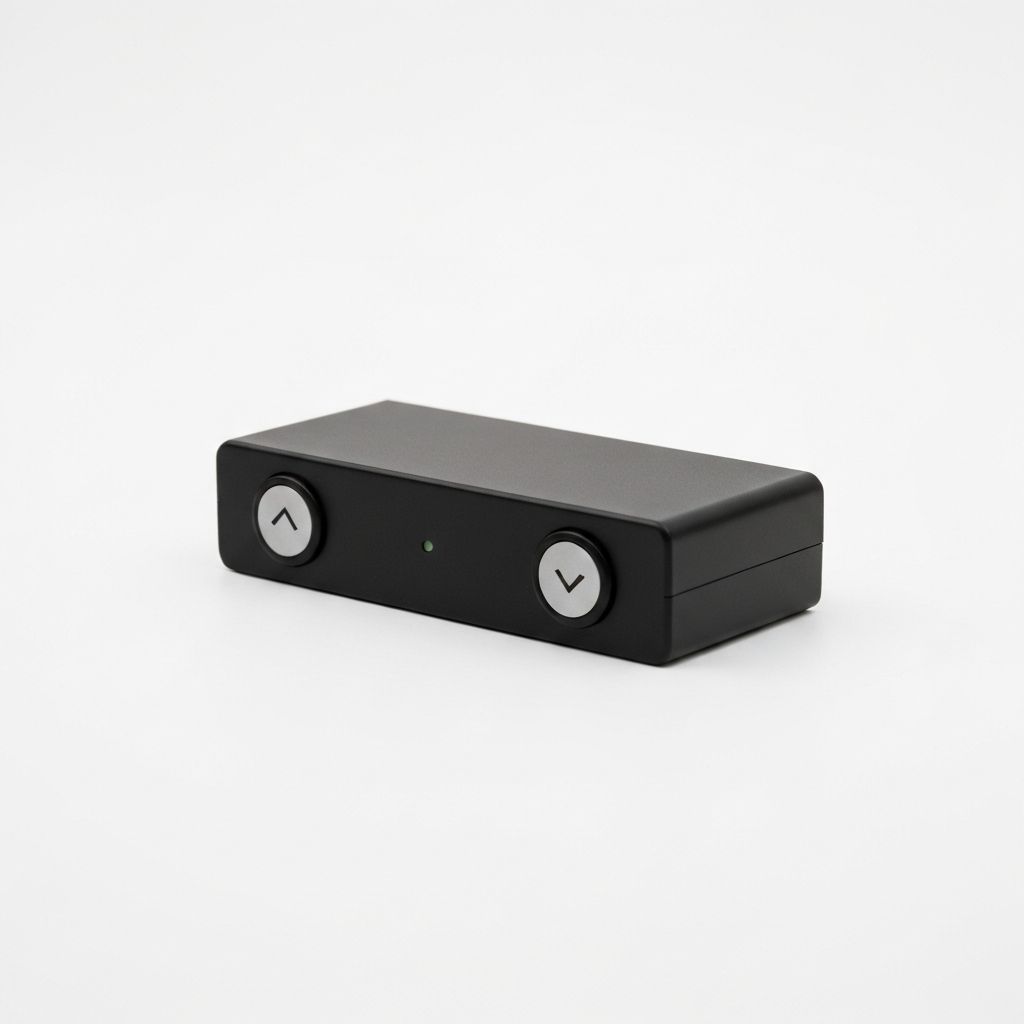
The core of an electric standing desk is the match between the desk frame and the lifting system. Buyers should confirm frame structure, motor count, control box protocol, hand controller type, and whether multi-desk synchronization or integration with office management systems is supported. For OEM/ODM customers, appearance customization, colors, branding, and packaging requirements also need to be clarified. Contact ETUP to verify specific parameters and customization scope.
2. Compliance and documentation
Buyers targeting Europe, North America, the Middle East, and Southeast Asia need to confirm electrical safety, electromagnetic compatibility, environmental, and occupational health requirements for each market. ETUP makes no claims in this article about unverified certifications; buyers should request from ETUP the list of compliance documents applicable to their market and verify them independently or through a third party.
3. Total cost of ownership, not unit price
Retail discounts attract attention, but B2B total cost includes purchase price, freight, installation, failure rate, spare parts, and after-sales response. A seemingly low-cost solution may be more expensive over time if failure rates are high or spare parts are slow to arrive. Buyers should ask suppliers for warranty terms, spare-parts strategy, and service network details, and confirm specific commercial terms with ETUP.
4. Delivery and project coordination
Fit-out contractors and enterprise buyers usually work to fixed schedules. Minimum order quantity, production lead time, packaging, and logistics arrangements need to be confirmed. These commercial details vary by project; contact ETUP directly for accurate information and do not base bulk purchasing decisions on retail promotional news.
Practical buyer checklist
- Define requirements: clarify use scenario, quantity, budget range, and project timeline.
- Verify specifications: confirm frame dimensions, load capacity, lifting range, speed, noise, and control system.
- Sample validation: request samples and conduct on-site tests for stability, lifting cycles, and noise.
- Compliance documents: request from ETUP the document list applicable to your target market and verify independently.
- Commercial terms: confirm MOQ, price, payment terms, warranty, and spare-parts policy (contact ETUP to verify).
- Delivery capability: confirm production lead time, packaging, logistics, and installation support.
- After-sales and response: clarify fault-handling process, response time, and responsibility allocation.
- Risk contingency: prepare alternatives and spare-parts plans for critical projects.
Advice for distributors and brands
For distributors and office furniture brands, retail ergonomic momentum can translate into product-line opportunities—but only if the supply chain can deliver consistently and quality is controllable. Treat promotional news as a conversation starter for product selection, not the end point of supplier evaluation. When working with a B2B supplier such as ETUP, focus on system compatibility, customization capability, and long-term service. For OEM/ODM customers, clarifying design language, target markets, and certification needs early helps reduce later change costs.
Conclusion
A chair earning a 'luxury' label and a discount at retail is a normal consumer-market phenomenon. The value of B2B procurement lies in translating marketing language into verifiable specifications, documents, and commercial terms. This article uses the Creative Bloq report as a topic signal and does not constitute proof of any product's performance. All commercial details—including product specifications, certifications, MOQ, lead times, and warranty—should be confirmed directly with ETUP before decisions are made. This is a draft for human review and should not be treated as published content.
Sources
Topic signal: Creative Bloq, “The chair that puts the 'luxury' in budget ergonomic office chairs has $80 off in Amazon's early Prime Day sale.” Creative Bloq.