Direct answer: what does hybrid work change?
CBRE's signal article discusses the "math" behind hybrid work—the relationship between attendance rates, space utilization, and desk allocation. For B2B buyers, the core takeaway is not "buy fewer desks" but "reallocate budget by use case." Total desk count may fall, while demand rises for adjustable, shareable, and quickly reconfigurable furniture. Electric sit-stand desks and lifting systems therefore shift from "employee wellness option" to "space flexibility tool." This article does not cite CBRE's specific figures and does not claim the source proves any ETUP product performance; it serves only as a topic signal to help structure procurement logic.
Why desk count is no longer the only variable
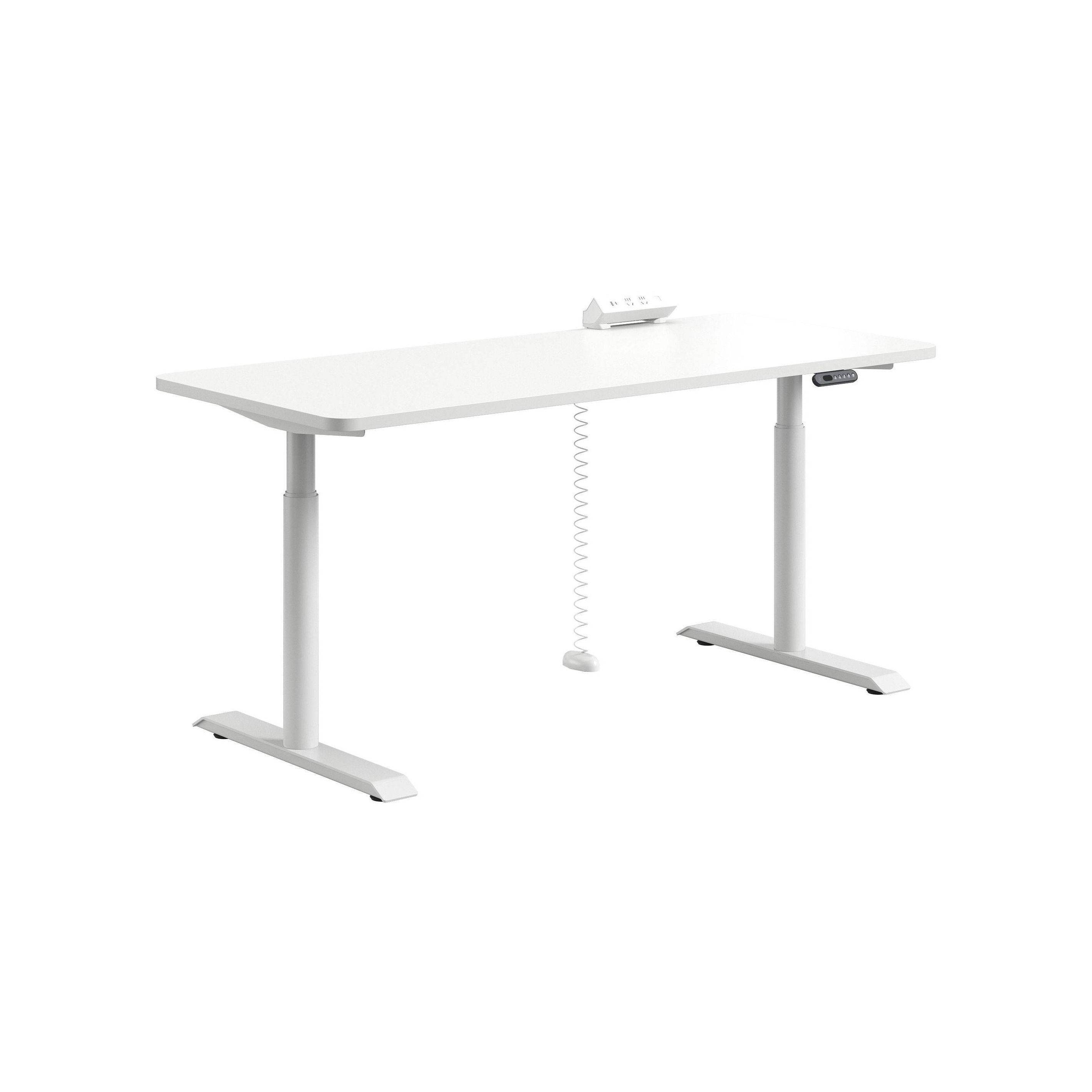
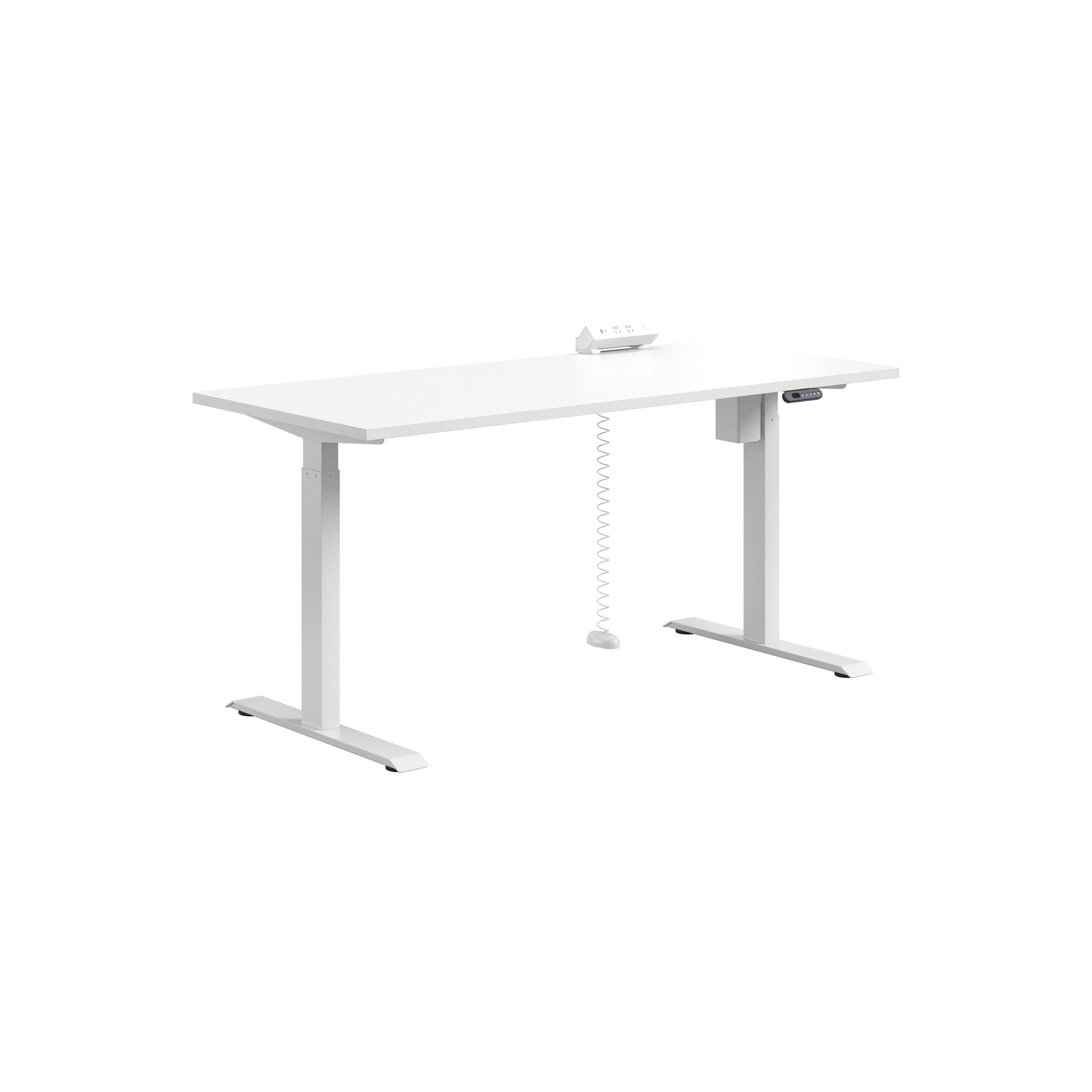
Traditional office procurement calculates "headcount × workstations." Hybrid work introduces three new variables: average attendance rate, peak attendance rate, and desk-sharing ratio. If average attendance falls below a certain proportion of desk count, fixed workstations sit idle; yet peak days can still create seat shortages. Buyers need a mix of fixed desks, shared desks, and flexible furniture. The value of an electric sit-stand desk is that one desk can serve different employees through height adjustment, reducing idle or duplicate purchases caused by ergonomic mismatch. Lifting systems (frames, columns, control boxes) determine whether that flexibility can scale.
Impact on distributors and office furniture brands
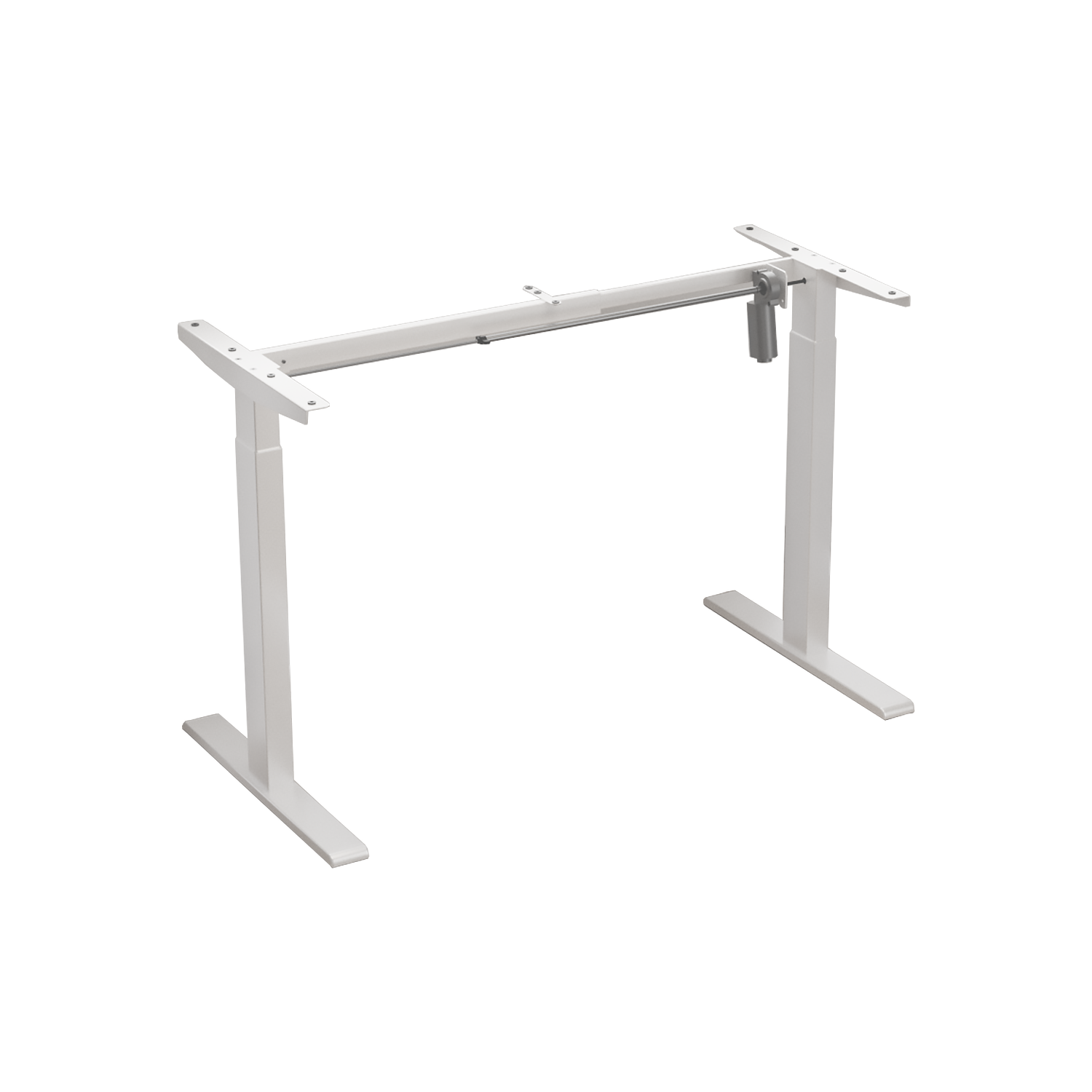
Distributors and brands face an SKU strategy question. Hybrid projects often require shorter lead times and more flexible configurations rather than large single-model orders. This means suppliers need modular capability: frames, columns, control boxes, and accessories that can be combined rather than locked into a complete desk. ETUP supplies B2B electric standing desks, desk frames, and lifting systems; specific module combinations, MOQ, and lead times should be verified with ETUP.
Impact on fit-out contractors and enterprise buyers
Fit-out contractors need to confirm power points, cable routing, and frame installation methods in advance. Hybrid spaces often use shared workstations and mobile furniture; if power management for sit-stand desks is not planned during fit-out, later retrofits become more costly. Enterprise buyers should write adjustability into procurement specifications rather than making ad-hoc purchases after employee complaints. Designers need to consider frame compatibility with screens and storage, as well as visual consistency across different height settings.
Procurement logic: from buying a desk to buying a system
The math of hybrid work requires buyers to treat sit-stand desks as systems rather than single products. A system includes frame structure, lifting columns, control box, handset, and power/cable accessories. System scalability determines the cost of future layout changes. For example, as the shared-desk ratio rises, will quick desktop size changes be needed? Will centralized control or anti-collision features be required? These answers affect supplier selection. ETUP's lifting system product range should be confirmed through official ETUP information; this article does not list specific parameters.
Practical buyer checklist
- Define average and peak attendance rates under the hybrid model, then calculate the ratio of fixed to shared workstations.
- Confirm whether sit-stand desks are purchased as complete desks or as frames plus desktops, and assess modularity.
- Verify whether the frame's height range covers the ergonomic needs of the target user group (contact ETUP for specifications).
- Confirm control box and handset compatibility, and whether multi-desk synchronization or centralized management is supported.
- Check whether the power and cable routing plan aligns with power point planning during fit-out.
- Ask suppliers about MOQ, lead times, and OEM/ODM capability, especially for the small-batch, multi-configuration needs common in hybrid projects.
- Request samples or test reports (if available) and verify certification information; do not assume certifications exist.
- Clarify after-sales support and spare parts terms in the contract; contact ETUP to confirm specific terms.
Frequently asked questions
Does hybrid work mean lower demand for sit-stand desks?
Not necessarily. Total desk count may adjust, but the proportion of shared workstations and flexible furniture may rise. The adjustability of sit-stand desks makes them suitable for shared scenarios, but specific demand depends on project design. Buyers should calculate based on attendance data rather than simply cutting by headcount.
How can buyers verify whether a supplier's lifting system suits a project?
Request technical specifications, compatibility documentation, and sample testing. For certifications, MOQ, lead times, and warranty terms, contact ETUP directly to verify. This article does not replace a supplier's formal technical documents.
Does CBRE's article prove ETUP products are suitable for hybrid work?
No. CBRE's article serves only as a topic signal to help understand hybrid work procurement logic. It does not constitute proof of ETUP product performance, certifications, or commercial terms. All commercial details must be confirmed with ETUP.
Sources
Topic signal: The Math Behind the Hybrid Workplace - CBRE (published 2024-01-11). This is an original analysis and does not copy the source content.
This is a draft for human review only and must not be treated as published content. Verify all commercial details with ETUP.