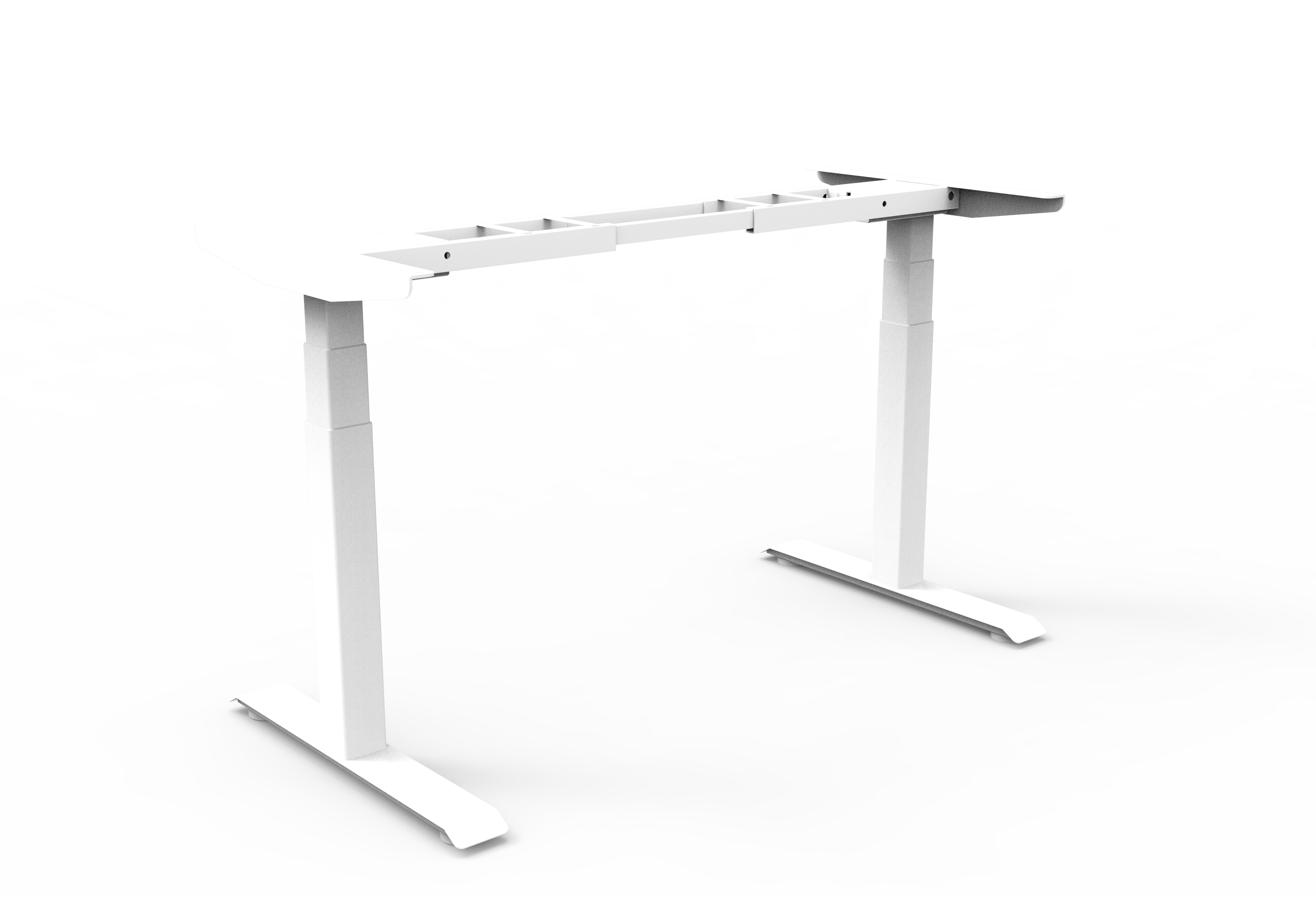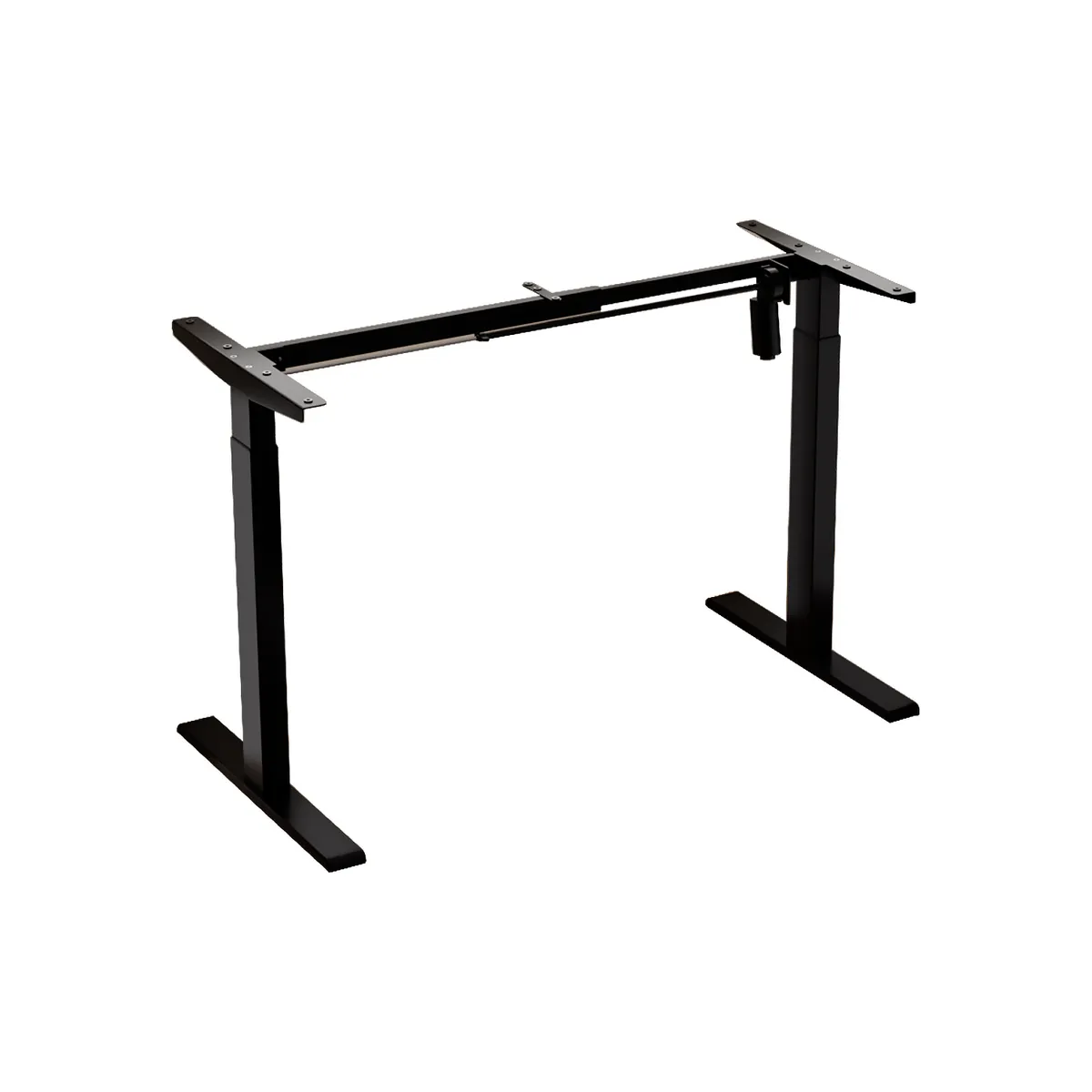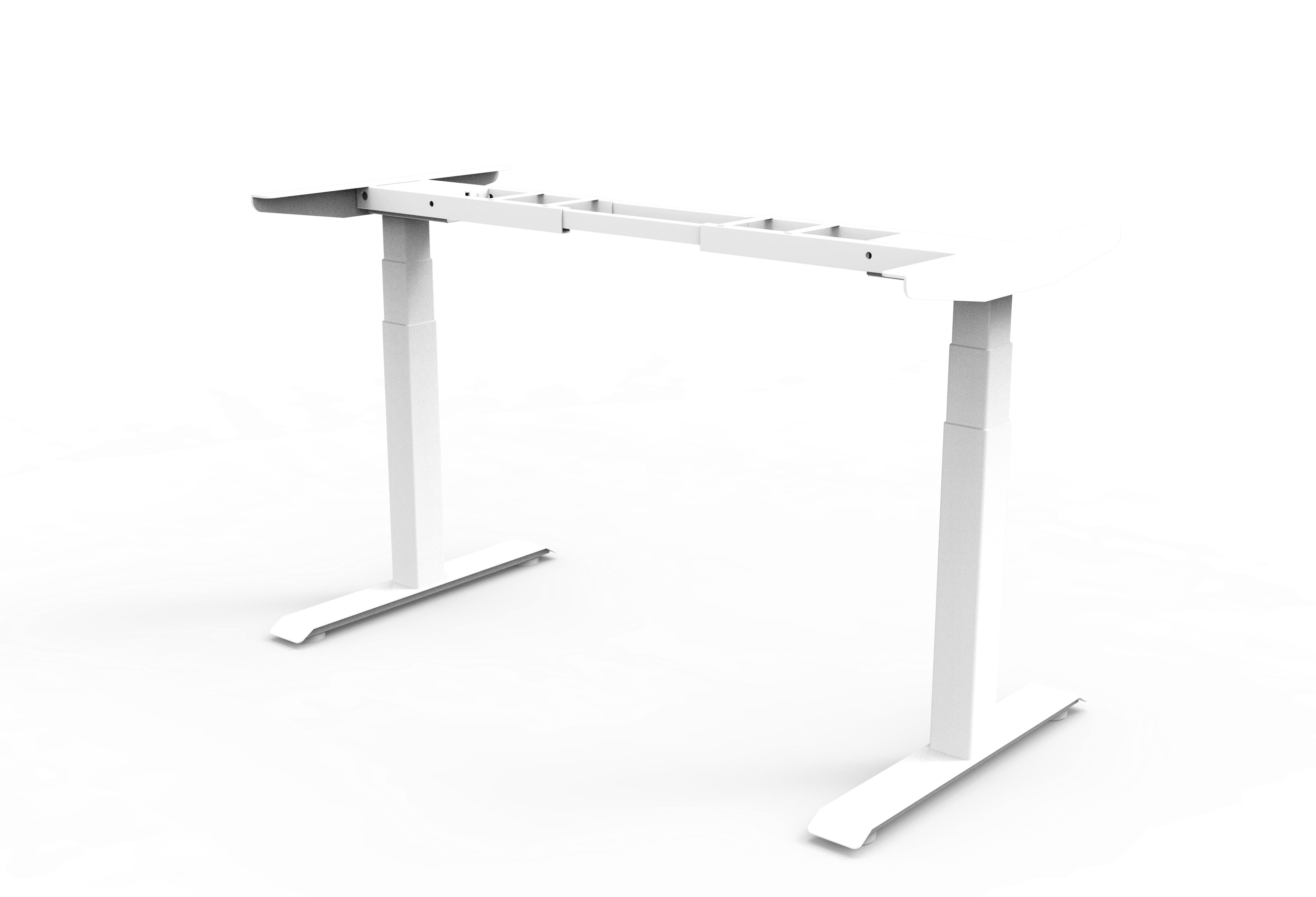
Direct answer: What should electric standing desk procurement focus on under new standards?
A recent JLL signal indicates that new workplace standards are driving an evolution in office design. For B2B buyers, this means electric standing desks are no longer just an optional add-on; they need to be reassessed as system products across dimensions such as compliance, flexibility, durability, and supply chain stability. Procurement should shift from simple price comparison to a holistic evaluation of frame structure, lifting system reliability, regional standard alignment, and supplier collaboration. Contact ETUP to verify all specific commercial details.
Signal interpretation: Why office design is evolving
According to the JLL signal (source listed at the end), changing workplace standards are influencing office design direction. While the signal does not provide specific technical parameters or regulatory texts, its core message is relevant to the furniture supply chain: expectations from corporate tenants and facility managers are shifting, and design needs to respond more flexibly to hybrid work, employee well-being, and usage efficiency.
For the electric standing desk category, this trend may bring the following implications:
- Flexibility first: Office spaces need to support sit-stand alternation, rapid reconfiguration, and multi-purpose use. Adjustment range, load capacity, and control methods become key.
- Health and ergonomics: Growing employee demand for adjustable work heights is pushing enterprises to include standing desks as standard equipment.
- Total cost of ownership: Buyers are paying more attention to frame durability, lifting system lifespan, and after-sales support, rather than initial purchase price alone.
- Regional standard alignment: Different markets have varying requirements for electrical safety, electromagnetic compatibility, and environmental materials. Suppliers need to provide corresponding compliance documentation.
It is important to note that the JLL signal serves only as an industry trend reference and does not prove the performance or compliance of any specific product. Procurement decisions should be based on actual documents and sample testing provided by suppliers.
Specific implications for B2B buyers
Distributors and office furniture brands
The challenge for distributors and brands is maintaining product line competitiveness amid evolving standards. Consider collaborating with suppliers on the following:
- Confirm whether electric standing desks and frames support the electrical safety requirements of target markets, and request relevant documents. Contact ETUP to verify specific certifications and documentation support scope.
- Evaluate adjustment speed, noise level, and memory functions of lifting systems to see if they meet end-user expectations for office experience.
- Understand supplier OEM/ODM capabilities, including custom sizes, colors, control panels, and branding. Contact ETUP to confirm specific MOQ and lead times.
- Pay attention to packaging and logistics solutions to ensure product integrity during long-distance transport.
Fit-out contractors and designers
Fit-out contractors and designers need to integrate standing desk systems into overall space planning. Recommendations:
- Confirm frame dimensions match workstation layout in advance, including desktop depth, cable management space, and power outlet positions.
- Assess compatibility of lifting systems with smart office systems, such as support for centralized control or energy management.
- Consider ease of installation and maintenance, including frame assembly methods and spare parts availability.
- Confirm with suppliers whether products comply with local electrical and environmental regulations. Contact ETUP to verify relevant compliance documents.
Enterprise buyers
When procuring electric standing desks, enterprise buyers should look beyond initial price and focus on total cost of ownership:
- Clarify usage scenarios: fixed workstations, shared workstations, or flexible office areas? Different scenarios have different requirements for adjustment frequency and load capacity.
- Request durability testing information and lifespan statements for lifting systems. Contact ETUP to verify test standards and warranty policies.
- Evaluate after-sales support capabilities, including response time, spare parts supply, and technical documentation.
- Consider phased procurement and expansion needs, and confirm supplier capacity and lead time stability. Contact ETUP to confirm specific capacity and lead times.
Practical buyer checklist
The following checklist can help procurement teams systematically evaluate electric standing desk suppliers. All items should be confirmed with suppliers item by item and based on written documents.
- Compliance documents: Are electrical safety, electromagnetic compatibility, and environmental material documents required by target markets complete? Contact ETUP to verify.
- Frame structure: Are load capacity, adjustment range, and stability test data available?
- Lifting system: Do motor lifespan, noise level, and control methods (manual/memory/app) meet project requirements?
- Customization capability: Are OEM/ODM support scope, MOQ, sampling lead time, and delivery time clearly defined? Contact ETUP to confirm.
- Quality assurance: Are warranty period, after-sales response process, and spare parts supply policy clear?
- Packaging and logistics: Is the packaging solution suitable for long-distance transport? Are installation instructions and technical support provided?
- Sample evaluation: Can samples be provided for actual testing and user experience evaluation?
Conclusion
The JLL signal reminds us that office design is evolving, and the procurement logic for electric standing desks, as an important part of office furniture, needs to upgrade accordingly. B2B buyers should incorporate compliance, flexibility, and supply chain collaboration into their evaluation framework, rather than focusing on price alone. As a B2B supplier of electric standing desks, desk frames, and lifting systems, ETUP can assist customers in clarifying requirements. All commercial details, including certifications, MOQ, lead times, capacity, and warranty, should be verified directly with ETUP.
Sources
Topic signal: New workplace standards demand an evolution of office design - JLL (published 2024-05-29). This source is used as a topic signal only and does not prove ETUP product performance.