Direct answer: the next generation’s priorities are changing how office furniture is sourced
According to an Office Insight interview (used here only as a topic signal; see Sources), designers from different generations discussing the future of office space share an interest in flexibility, employee experience, and multi-purpose space. For B2B buyers, the practical takeaway is that sourcing decisions should not rest on unit price alone. They should consider whether a product platform supports fast layout changes, fits the habits of a multi-generational workforce, and whether the supplier can provide verifiable compliance and delivery information.
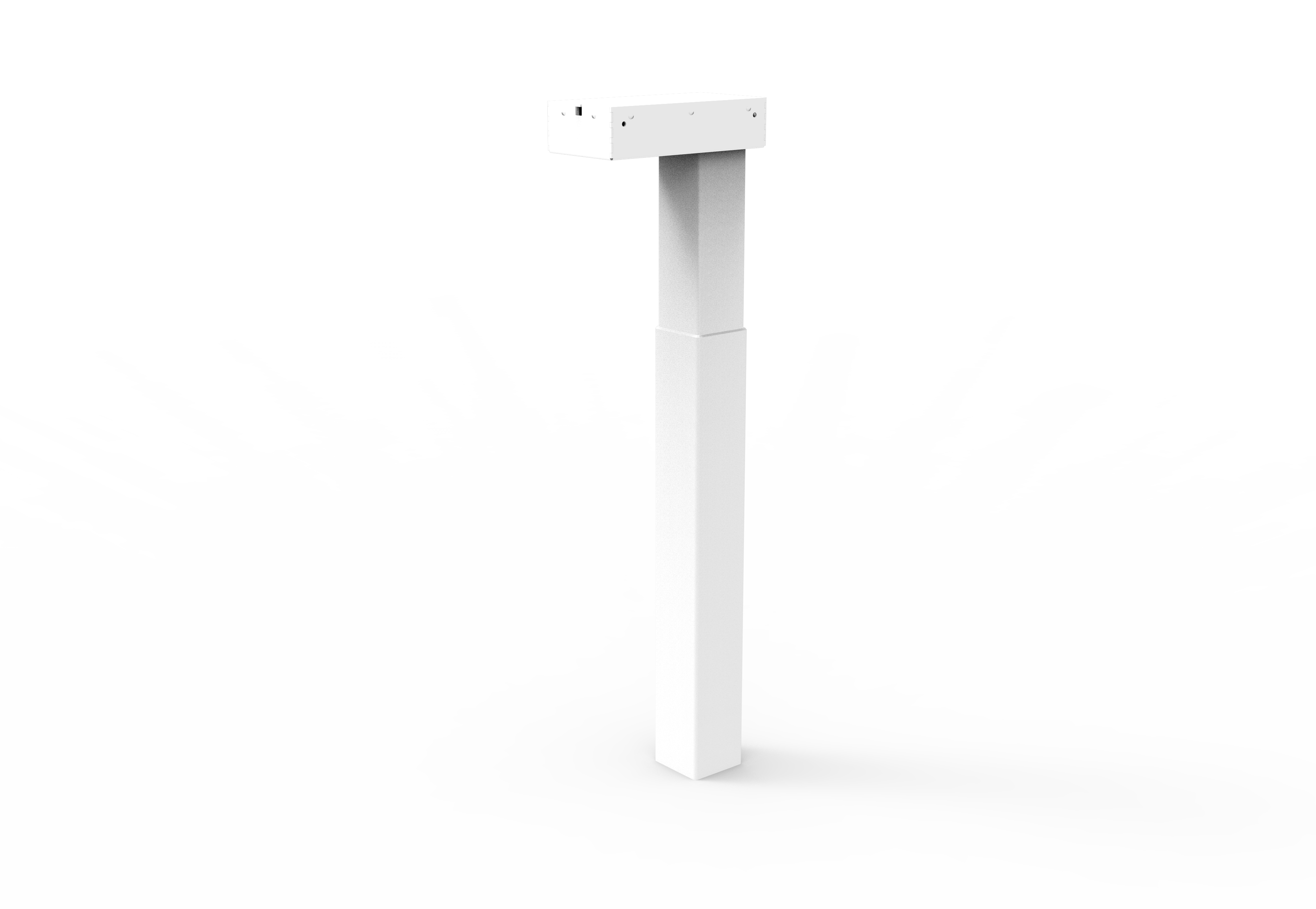
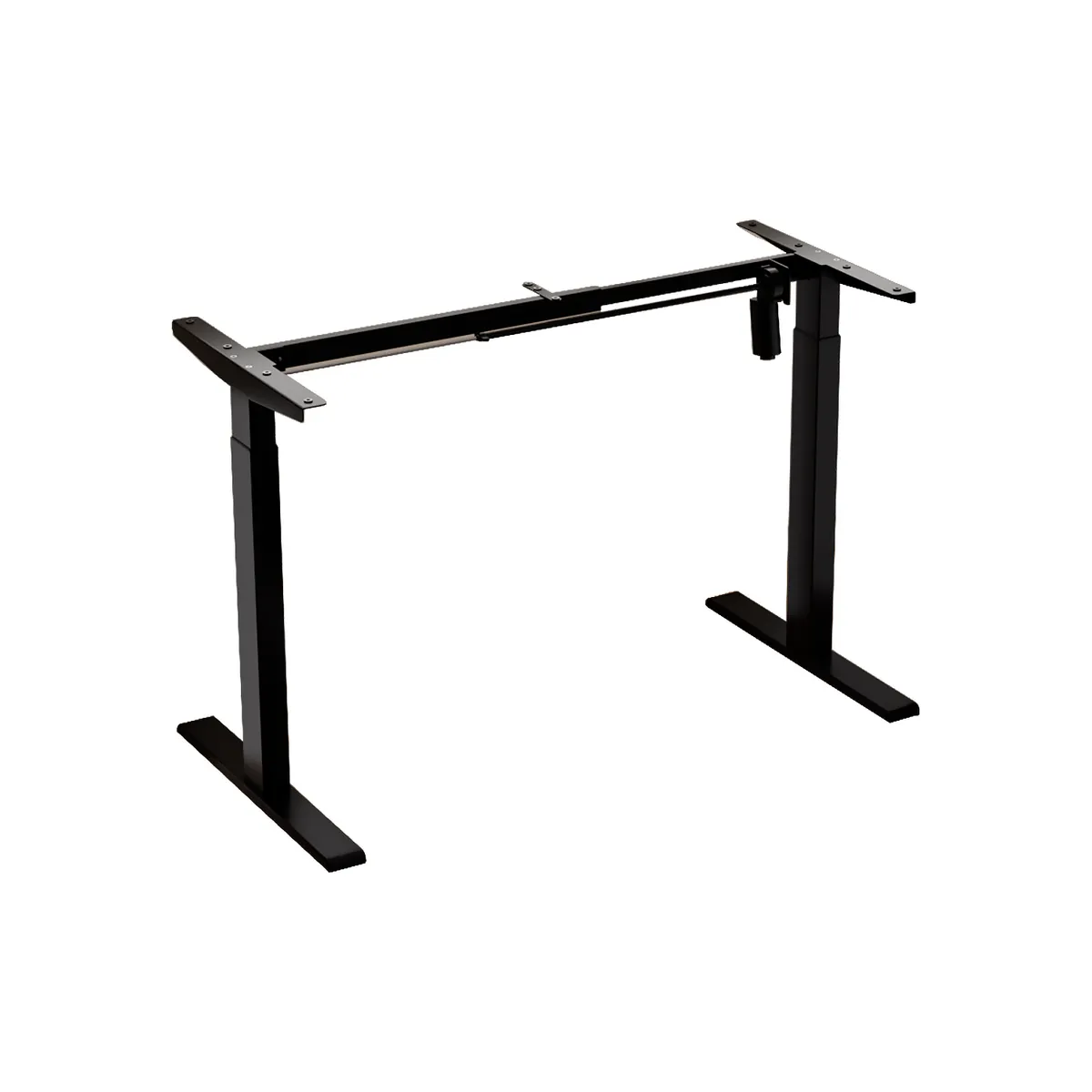
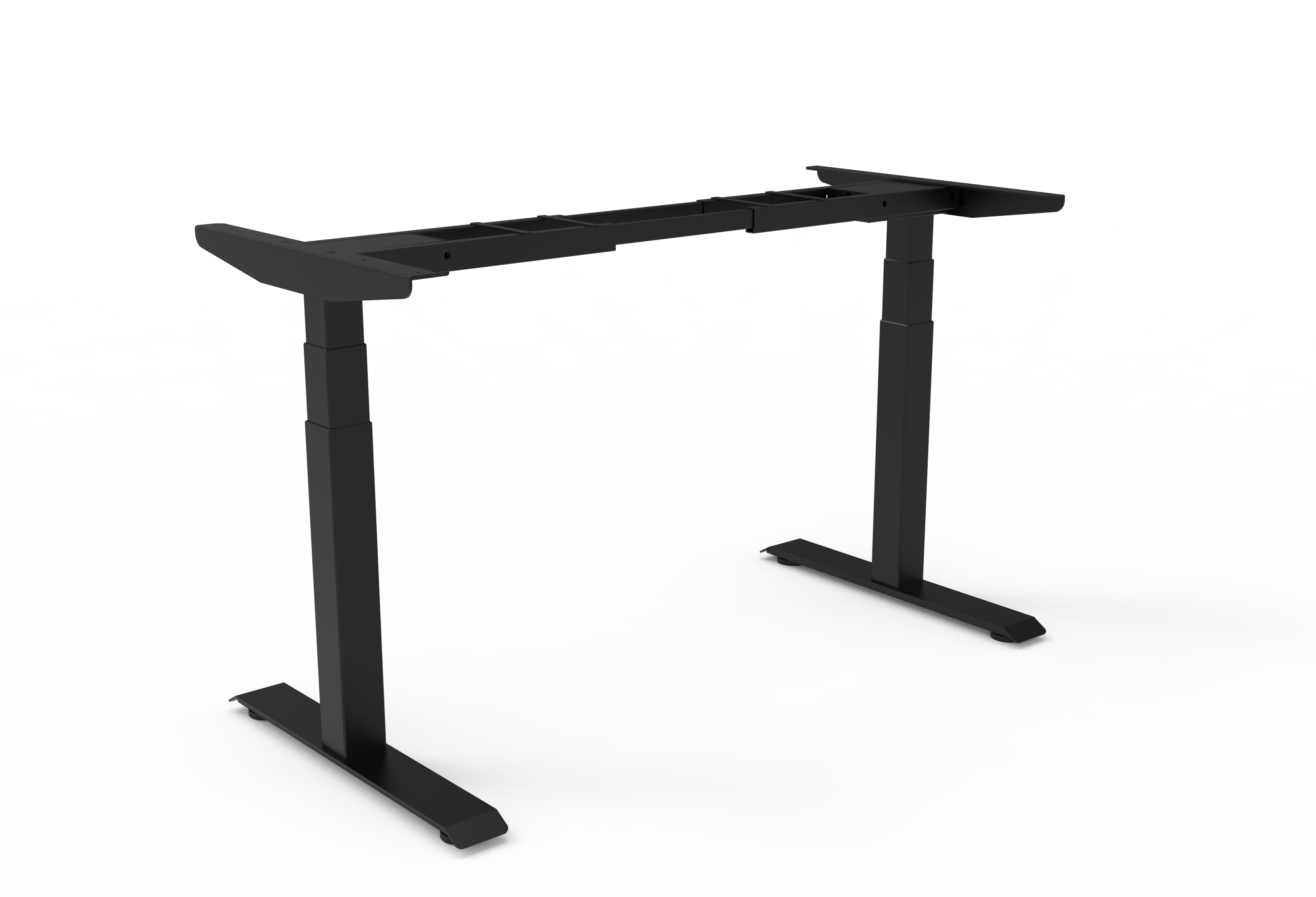
ETUP supplies B2B electric standing desks, desk frames, and lifting systems. ETUP does not claim that this source proves any product performance. The analysis below is intended to help distributors, office furniture brands, fit-out contractors, enterprise buyers, designers, and OEM/ODM customers turn design trends into actionable sourcing questions.
What the topic signal suggests
The interview was published by Office Insight, whose editor brought together two designers from different generations to discuss workplace design. The source description notes that the conversation began with what excites them most about designing workplaces right now. While the full interview is not reproduced here, the topic itself reflects an ongoing market discussion: office space needs to serve employees of different ages and working modes at the same time.
The implication for the B2B supply chain is not to chase a particular design style, but to focus on adjustability. Electric standing desks and lifting systems are relevant because they allow the same desk to switch between sitting and standing positions, accommodating different employee preferences without replacing the entire desk. The modularity of desk frames and lifting systems affects how quickly furniture brands and fit-out contractors can respond to project changes.
What it means for B2B buyers
1. Distributors and office furniture brands: the platform matters more than a single product
If the end-customer base spans multiple generations, distributors and brands need a desk frame and lifting system platform that covers different price points and applications. Buyers should ask suppliers whether the frame supports multiple desktop sizes, whether the lifting system offers different control options, and whether OEM/ODM customization is available. The answers affect inventory complexity and project response speed. Contact ETUP to verify specific specifications and customization capabilities.
2. Fit-out contractors: delivery certainty and installation efficiency
Fit-out contractors care about on-site installation time and rework risk. The frame structure, packaging, and installation instructions of electric standing desks directly affect construction efficiency. We recommend confirming packaging dimensions, installation steps, and the parts list with the supplier at the tender stage, and requesting verifiable quality documents. For ETUP’s specific packaging and installation parameters, please rely on ETUP’s confirmation.
3. Enterprise buyers: total cost of ownership and employee experience
When evaluating electric standing desks, enterprise buyers should look beyond unit price to service life, maintenance cost, and actual employee usage. Employees of different generations may prefer different desk heights, and adjustability can help improve furniture utilization. Before purchasing, ask suppliers for warranty terms and after-sales support scope, and contact ETUP to verify its specific warranty policy.
4. Designers and OEM/ODM customers: translating design intent into manufacturable specifications
Designers focus on proportion, materials, and details; OEM/ODM customers focus on manufacturability and cost. The bridge between the two is clear specification communication. We recommend confirming mounting hole positions, desktop thickness compatibility, and cable management solutions with the lifting system supplier early in the design process. Contact ETUP directly to confirm which customization options are available.
A practical pre-purchase checklist
The checklist below helps buyers turn trend discussions into verifiable sourcing questions. All commercial details are subject to ETUP’s formal confirmation.
- Application: Is the project hybrid, assigned seating, or shared seating? Different scenarios have different requirements for adjustment frequency and frame strength.
- Compliance and documents: Which certifications or test reports does the target market require? Ask ETUP to verify the documents it can provide; do not assume certifications exist.
- MOQ and lead time: Minimum order quantity, sample policy, and volume lead times must be confirmed with ETUP.
- Customization: Are frame colors, desktop sizes, control panels, and branding available for OEM/ODM? The exact scope is subject to ETUP’s reply.
- Packaging and installation: Are packaging dimensions, weight, and installation instructions suitable for the project site? Request samples or technical documents.
- After-sales and warranty: Warranty period, spare parts availability, and response process should be verified with ETUP before being written into a contract.
- Total cost of ownership: When comparing unit prices, also consider installation, maintenance, and replacement costs.
Conclusion
The next generation’s discussion about the future of office space carries a core message for B2B buyers: sourcing adjustable, scalable furniture platforms is more robust than betting on a single design style. Electric standing desks, desk frames, and lifting systems are part of that adjustable infrastructure, and their value depends on whether the supplier can provide clear specifications, verifiable documents, and reliable delivery. ETUP recommends that buyers confirm all technical, compliance, and commercial details directly with ETUP before making any commercial commitment.
Sources
Topic signal: Office Insight, “The Next Generation’s Take on the Future of Office Design,” published October 5, 2026. Link: https://officeinsight.com/companies/architecture-and-design/the-next-generations-take-on-the-future-of-office-design/. This article is original analysis; it does not copy the source and does not claim that the source proves ETUP product performance.