Direct Answer
The office furniture blind spot in India's ESG reporting stems primarily from reporting frameworks' insufficient coverage of Scope 3 emissions and supply chain social responsibility, as well as the traditional classification of office furniture as a low-risk, low-value procurement category. For global B2B buyers, this means that when sourcing from India or selling into the Indian market, you cannot rely on local ESG disclosures to assess a supplier's sustainability performance. Instead, you should proactively request product-level environmental data, material compliance evidence, and supply chain transparency. ETUP, as a B2B supplier of electric standing desks, desk frames, and lifting systems, recommends that buyers front-load ESG due diligence and verify specific commercial details directly with suppliers.
Why Office Furniture Becomes a Blind Spot
According to a report by Realty Plus Magazine (used here only as a topic signal), there is a clear disclosure gap in India's ESG reporting framework regarding office furniture. Several structural reasons explain this phenomenon:
- Classification inertia: Office furniture is often categorized as general capital expenditure rather than a priority environmental or social impact category, giving it low priority in ESG reports.
- Missing Scope 3 data: Furniture procurement involves upstream raw materials (such as steel, plastics, and wood) and downstream disposal, but many companies have not yet established complete Scope 3 emissions accounting systems.
- Fragmented supply chains: The office furniture supply chain has many tiers and a high proportion of small and medium-sized suppliers, making data collection difficult and disclosure costly.
- Lack of unified standards: ESG disclosure guidelines and industry benchmarks specific to office furniture are not yet mature, leaving companies without a reference framework.
These factors combine to make office furniture "invisible" in ESG reports, but this does not mean the risks are absent. On the contrary, a blind spot often indicates unmanaged risk.
Practical Implications for Global B2B Buyers
1. Supplier ESG Assessment Requires More Caution
If you source office furniture from India or collaborate with Indian companies, relying solely on their ESG reports may not provide a complete picture of their environmental and social performance. Buyers should request product-level environmental data, such as material composition, recyclability, and hazardous substance compliance (e.g., RoHS, REACH), and verify supply chain labor practices.
2. Export Compliance and Customer Requirements
Buyers targeting Europe, North America, and other markets may face explicit supply chain ESG requirements from their own customers. If upstream suppliers' ESG disclosures are incomplete, it may affect the buyer's compliance documentation and customer trust. Therefore, buyers need to actively pass down pressure and require suppliers to provide verifiable data.
3. Product Design and Material Selection
The ESG performance of office furniture is largely determined at the design stage. For example, the motor efficiency of electric standing desks, the recycled content of steel in desk frames, and the biodegradability of packaging materials. Buyers should work with suppliers to embed sustainability requirements into product specifications rather than addressing them after the fact.
4. Opportunity: Differentiation and Risk Management
For suppliers able to provide transparent ESG data, this is actually a differentiation opportunity. Buyers can prioritize suppliers willing to disclose product environmental information and provide material compliance evidence to reduce long-term risk.
Practical Buyer Checklist
When working with office furniture suppliers (especially those involving the Indian market or supply chains), use the following checklist for ESG due diligence:
- Product environmental data: Are material composition, recycled content, and hazardous substance test reports provided?
- Supply chain transparency: Are key supplier lists and labor practices disclosed?
- Energy and emissions: Are product carbon footprint or production energy consumption data provided?
- Certifications and compliance: Are certifications such as ISO 14001, FSC, or GREENGUARD held? (Please verify specific certification status with the supplier.)
- Packaging and logistics: Are packaging materials recyclable? Is transport optimized to reduce emissions?
- End-of-life and recycling: Are product take-back or design-for-disassembly options offered?
- Continuous improvement: Are there public ESG targets and progress reports?
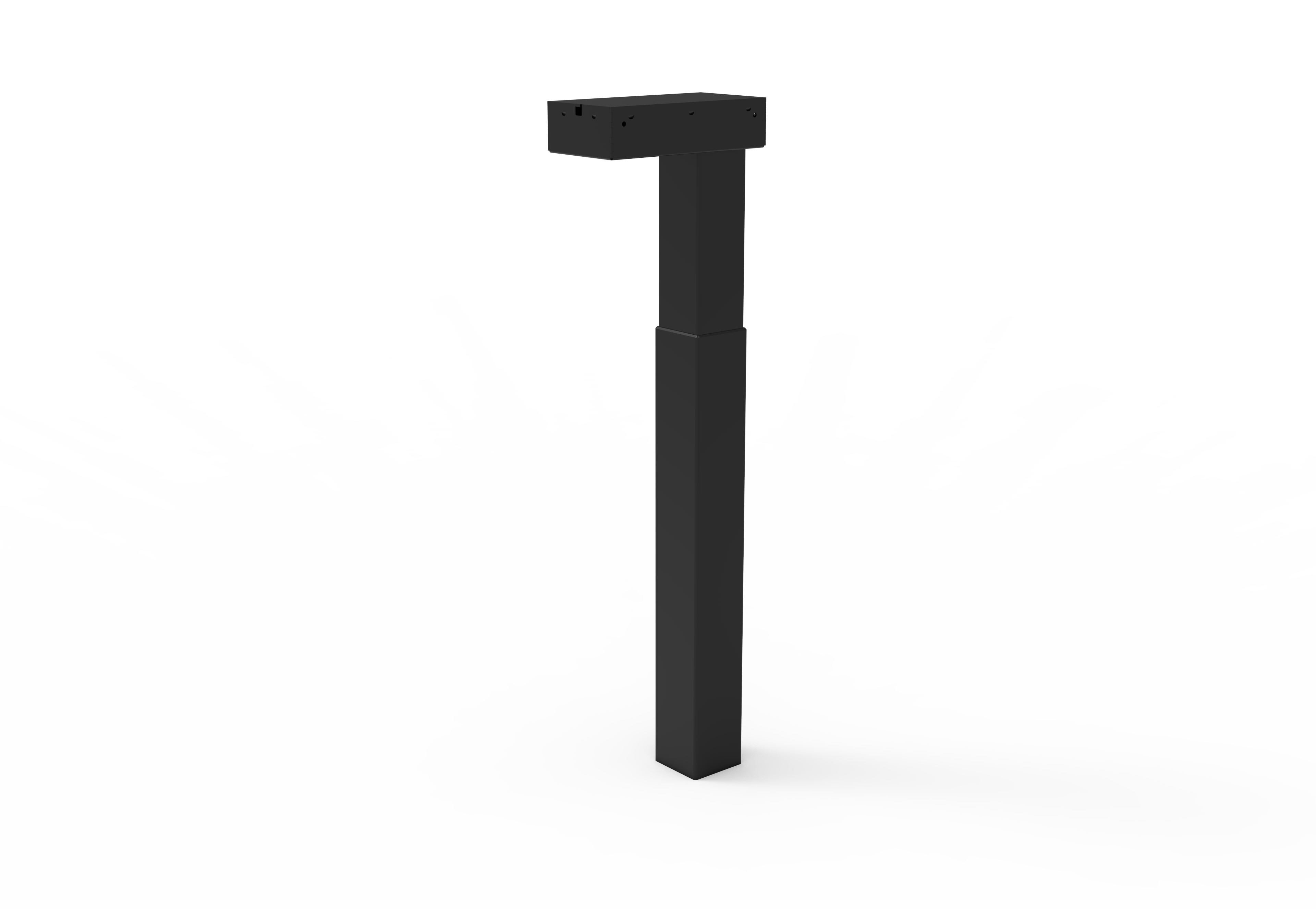
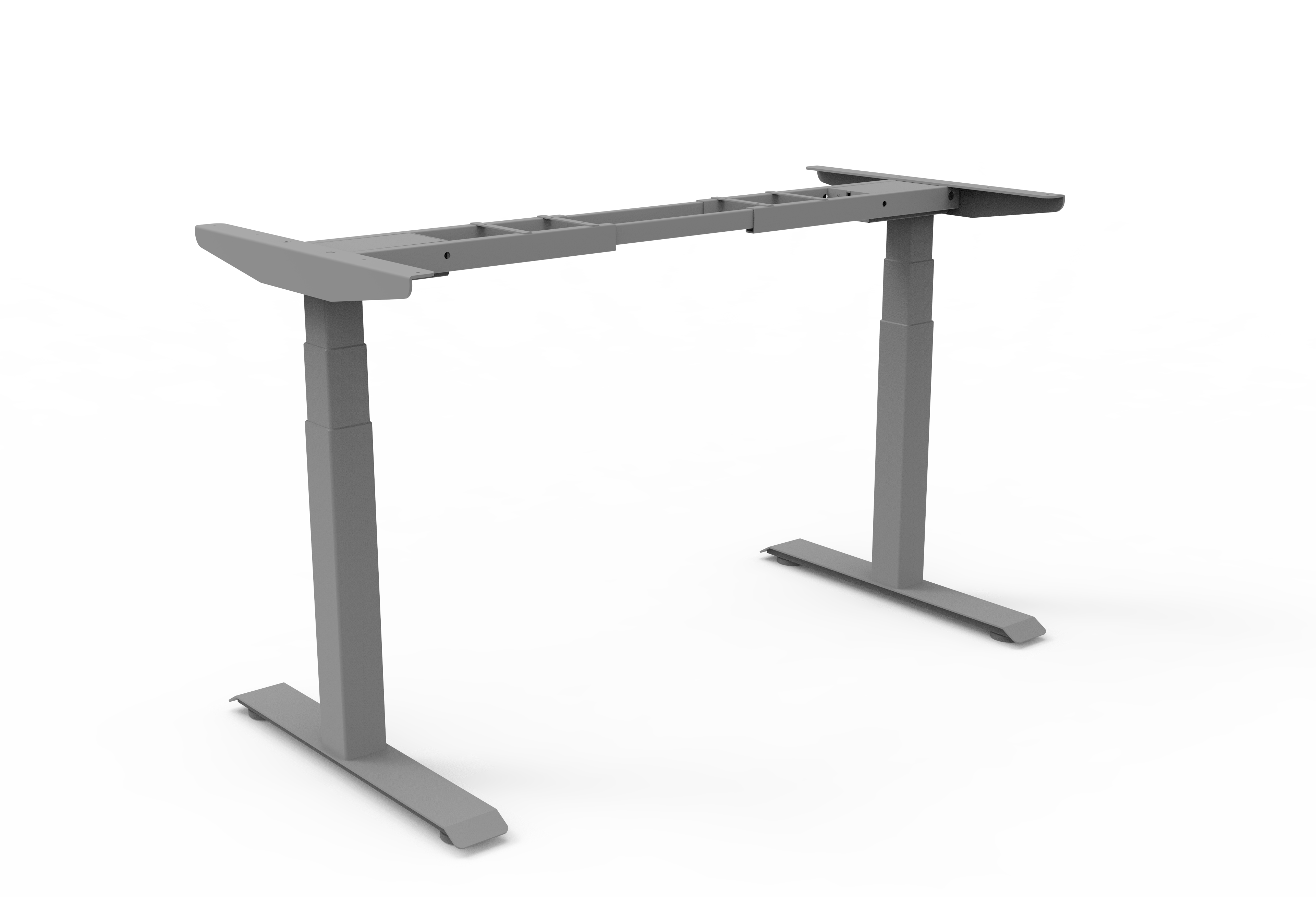
For products such as electric standing desks, desk frames, and lifting systems, buyers should also pay attention to specific parameters such as motor energy efficiency, standby power consumption, and steel sourcing. Please contact ETUP to verify commercial details and available documentation for relevant products.
ETUP's Position
ETUP is a B2B supplier of electric standing desks, desk frames, and lifting systems, serving distributors, office furniture brands, fit-out contractors, enterprise buyers, designers, and OEM/ODM customers. We do not comment on India's ESG reporting framework itself, nor do we claim that this topic signal proves any performance of ETUP products. We recommend that buyers actively manage ESG risks in procurement decisions and treat supplier communication as a key step. All commercial details (such as MOQ, lead times, certifications, and warranty) should be confirmed directly with ETUP.
Conclusion
The office furniture blind spot in India's ESG reporting reminds global B2B buyers that sustainable procurement cannot rely on any single market's disclosure habits; instead, buyers should establish their own due diligence processes. By requesting product-level data, supply chain transparency, and compliance evidence, buyers can reduce risk and drive the supply chain toward greater sustainability. For buyers seeking further information on sourcing electric standing desks and lifting systems, please contact ETUP.
Sources
Topic signal source: Realty Plus Magazine, "Why Office Furniture is the Blind Spot in India's ESG Reporting," link: Original link. This link is provided solely as a topic signal and does not represent ETUP's endorsement or verification of its content.