Direct answer: an obsolete office is a supply chain problem, not just a design problem
A September 2026 Work Design interview makes a sharp point: many offices are obsolete before employees ever move in. As a topic signal, it highlights a long-ignored tension—traditional fit-outs and fixed furniture lock a space into a single use, while business needs, team sizes, and hybrid work patterns keep changing. For B2B buyers, this means procurement decisions can no longer rest on unit price and appearance alone. They must consider whether a furniture system can be reconfigured, repaired, and upgraded across the life of a space.
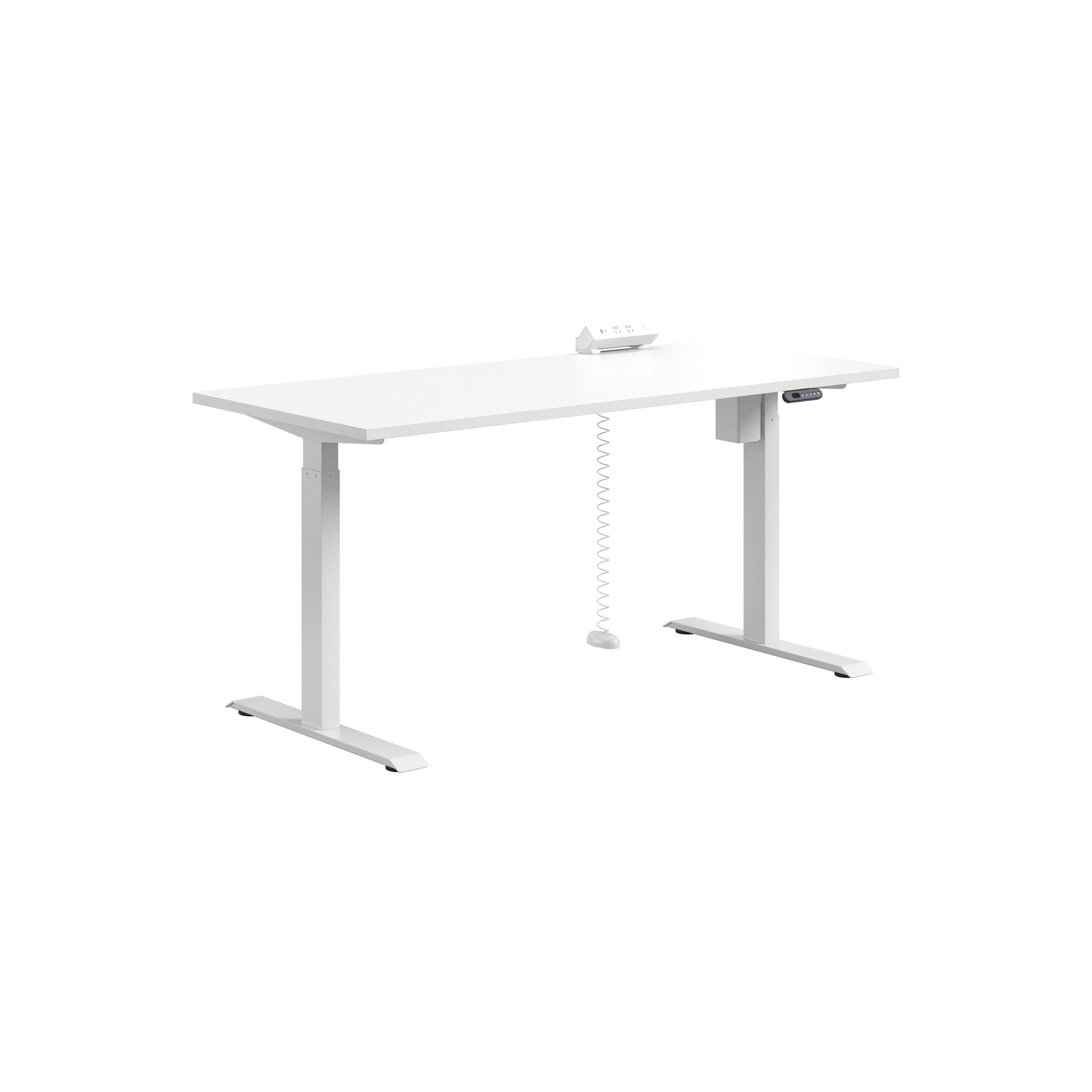
ETUP supplies B2B electric standing desks, desk frames, and lifting systems. ETUP does not endorse any performance claim from the podcast. The purpose of this article is to translate the signal into actionable procurement thinking and to remind readers that all commercial details—MOQ, lead times, certifications, warranty—must be confirmed directly with ETUP.
Why “obsolete before move-in” is becoming a procurement risk
Traditional offices rely on fixed partitions, custom cabinetry, and non-adjustable work surfaces. When team structures change, desk density shifts, or hybrid ratios rise, these assets are often demolished or left idle. The Work Design discussion frames this through a circular economy lens: spaces and furniture should be designed to be disassembled, reconfigured, and reused. For distributors, office furniture brands, fit-out contractors, and enterprise buyers, this translates into three risks:
- Stranded asset risk: fixed furniture has little residual value at lease end or during team restructuring.
- Renovation downtime risk: every layout change involves electricians, carpenters, and lost working hours.
- Compliance and ergonomics risk: non-adjustable workstations struggle to serve multi-user, multi-task environments.
How modular electric sit-stand desks respond to the signal
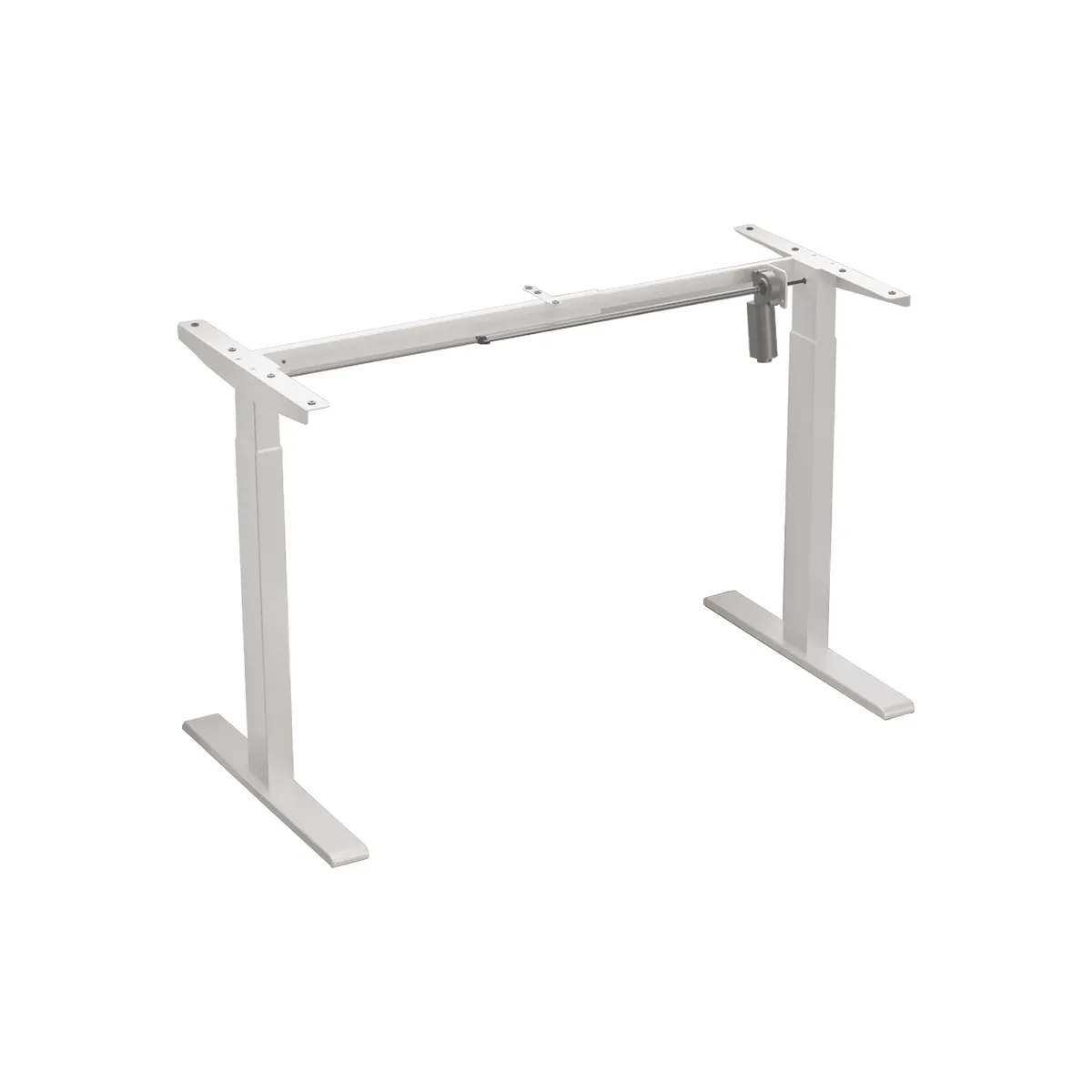
Electric sit-stand desk systems are not new, but a modular approach changes their role in a project. Individually replaceable frames, columns, control boxes, and tabletops allow one system to span multiple lease cycles. For B2B customers, the value is not in a single desk but in:
1. Flexibility for space reconfiguration
Frames and tops can be purchased and replaced separately, making it easier to adjust dimensions or finishes in phase two or three of a project without scrapping an entire batch. Specific compatibility and size ranges should be confirmed with ETUP.
2. Repair instead of replacement
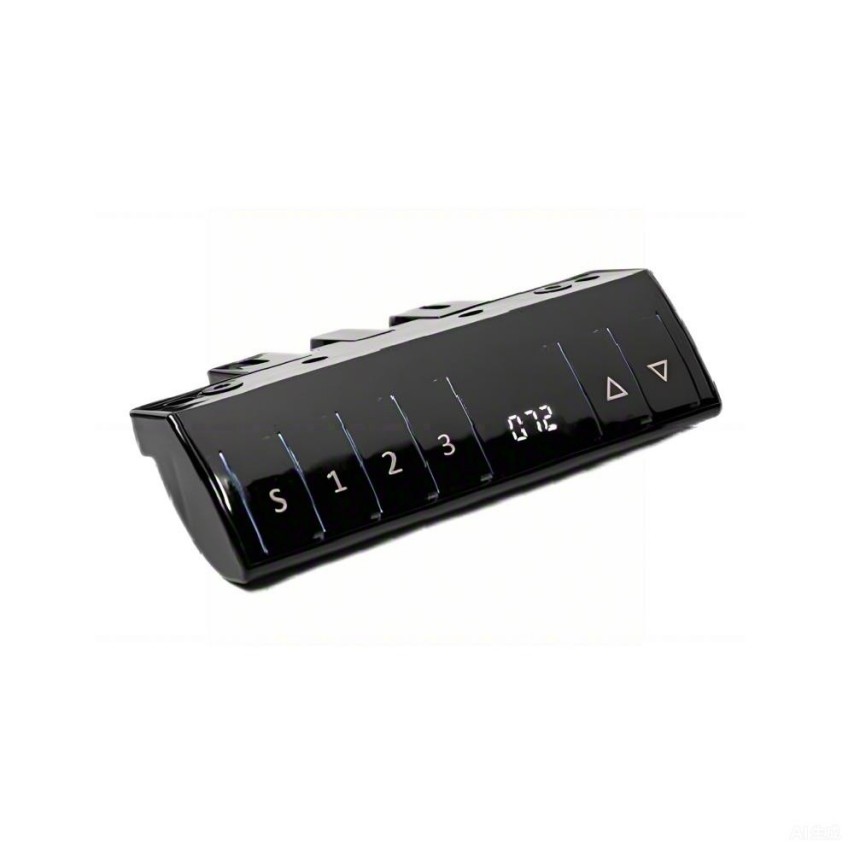
If control boxes, motors, and hand controllers can be replaced individually, long-term maintenance costs drop significantly. Buyers should ask which components are available as spare parts and what the spare parts supply period is.
3. Scalability across compliance markets
Europe, North America, the Middle East, and Southeast Asia have different requirements for electrical safety, electromagnetic compatibility, and energy efficiency. A modular platform that can adapt to different regional certification versions on the same structure can reduce duplicate development and inventory pressure. Certification scope must be based on valid certificates provided by the supplier; contact ETUP to verify.
Buyer checklist: turning “circular” into verifiable terms
Use this checklist during RFQ and sampling stages to convert abstract ideas into contract language. All figures and commitments should be confirmed in writing by ETUP.
- Structural disassembly: can frames, columns, crossbars, and tops be ordered and replaced independently?
- Component-level spares: are motors, control boxes, hand controllers, and power supplies available separately? What is the spare parts supply period?
- Certification coverage: are the required electrical safety, EMC, and environmental certifications in place for target markets? Are certificates valid?
- Load and stroke: do dynamic load, height range, and speed meet project specifications across different top sizes?
- OEM/ODM capability: is brand customization, hole pattern adjustment, color, and packaging customization supported? What are the MOQ and sampling lead times?
- Warranty and after-sales: does the warranty cover motors and control systems? What are the RMA process and response times?
- Packaging and logistics: are flat-pack dimensions, palletization, and container load efficiency suitable for the target market?
- Traceability: are batch, serial number, or production records available for future maintenance?
What this means for distributors and brands
If “obsolete before move-in” becomes mainstream, procurement logic shifts from one-time project delivery to iterable assets. Distributors need more flexible inventory structures, brands need clearer product platform strategies, and fit-out contractors need to include furniture disassembly and reassembly in construction planning. Electric sit-stand desk systems, with their high degree of electrical and mechanical modularity, are naturally suited to this shift—provided the supplier can offer stable component supply and transparent technical documentation.
ETUP is a B2B supplier and does not sell directly to end consumers. Buyers who want to validate a modular sit-stand desk solution should first define target markets, project scale, and certification requirements, then confirm product configurations, MOQ, lead times, and warranty terms with ETUP.
Conclusion: from topic signal to procurement action
The Work Design piece is a useful industry signal, but it does not constitute proof of performance for any product. Its real value is reminding buyers that office space lifespans are shrinking and that furniture system reconfigurability is becoming part of the procurement standard. The next step is not to copy the argument but to use the checklist above to verify supplier capabilities. For all commercial details, contact ETUP to verify.
Sources
Topic signal: Work Design, “Your Office Is Obsolete Before You Movie In — Here’s How to Fix It,” published 2026-09-24. https://www.workdesign.com/2026/09/your-office-is-obsolete-before-you-movie-in-heres-how-to-fix-it/
Editorial note: This draft is for human review only and must not be published automatically. Confirm all commercial details with ETUP before publication.