Direct answer: what does P&G's office renovation signal mean for B2B procurement?
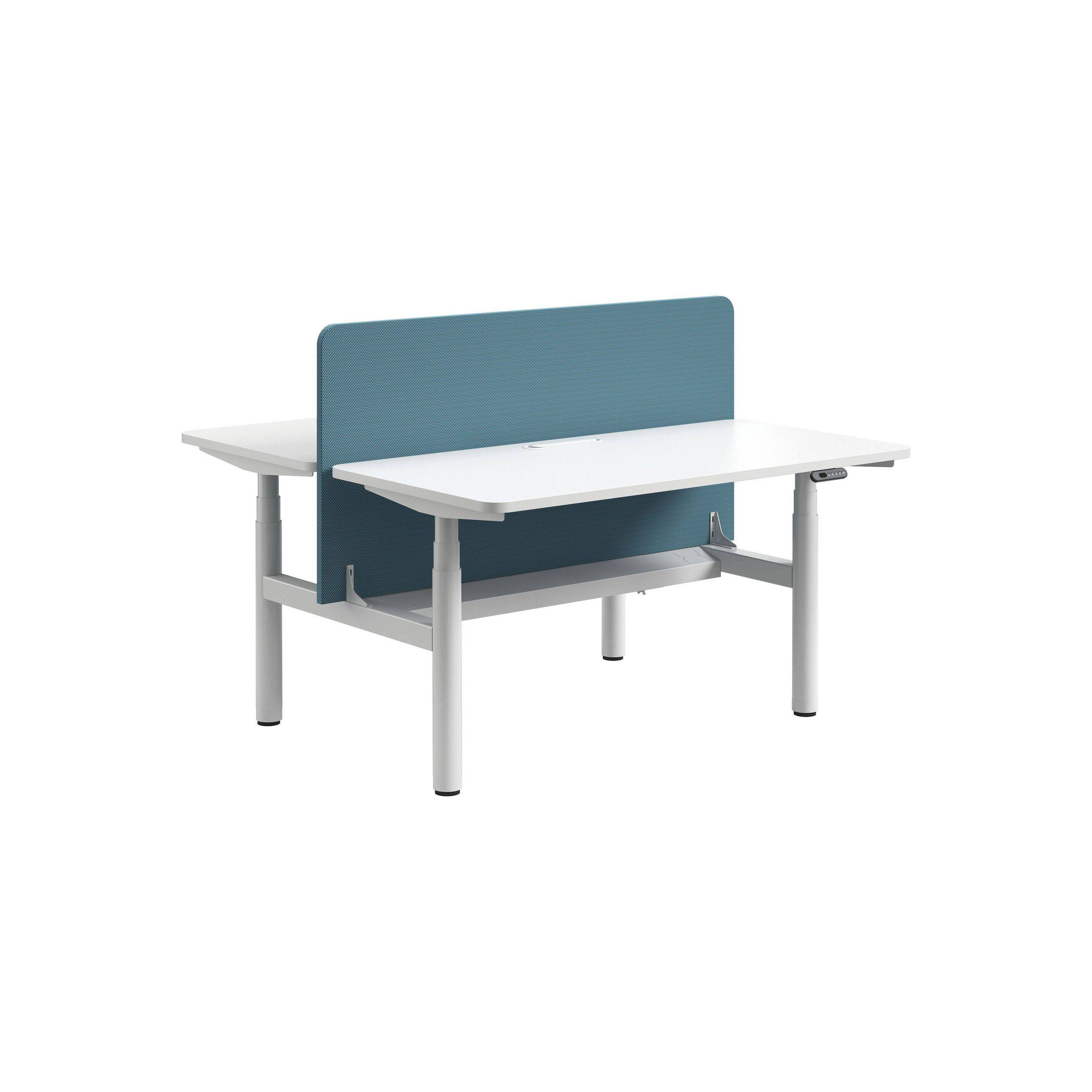
Procter & Gamble recently published an article about its renovated workspaces and how they are fueling the business while supporting employee wellbeing. That is a demand signal from the enterprise side, not proof of product performance. For office furniture brands, distributors, fit-out contractors, and enterprise buyers, the useful move is not to rewrite P&G's story but to translate "wellbeing" into hardware criteria that can be specified, inspected, and maintained — especially electric standing desks, desk frames, and lifting systems, which are high-frequency office infrastructure.
This article cites the news only as a topic signal. All commercial details about ETUP products (certifications, MOQ, lead times, warranty) must be confirmed via contact ETUP to verify.
Why wellbeing is becoming procurement language
Employee wellbeing used to sit with HR and often stayed at the level of benefits programs. Large enterprises now treat the workspace itself as a wellbeing carrier: daylight, acoustics, circulation, and adjustable furniture all enter the design brief. For the B2B supply chain, this means "adjustable" is no longer a nice-to-have but a baseline item.
Electric standing desks are in focus because they serve three buying parties at once:
- Enterprise buyers: want a consistent standard across floors and sites to reduce long-term occupational health risk.
- Fit-out contractors: need products that integrate with workstation systems, power, and cable management to avoid on-site rework.
- Distributors and OEM/ODM customers: need stable supply of desk frames and lifting systems to support their own brands or project deliveries.
P&G's article does not provide product specifications or procurement data, so it cannot be used to infer any supplier's performance. Its value is confirming a direction: office renovation is being treated as part of business and talent strategy, not just a fit-out expense.
From news signal to procurement criteria: four evaluation dimensions
1. Lifting system: stability before spec sheets
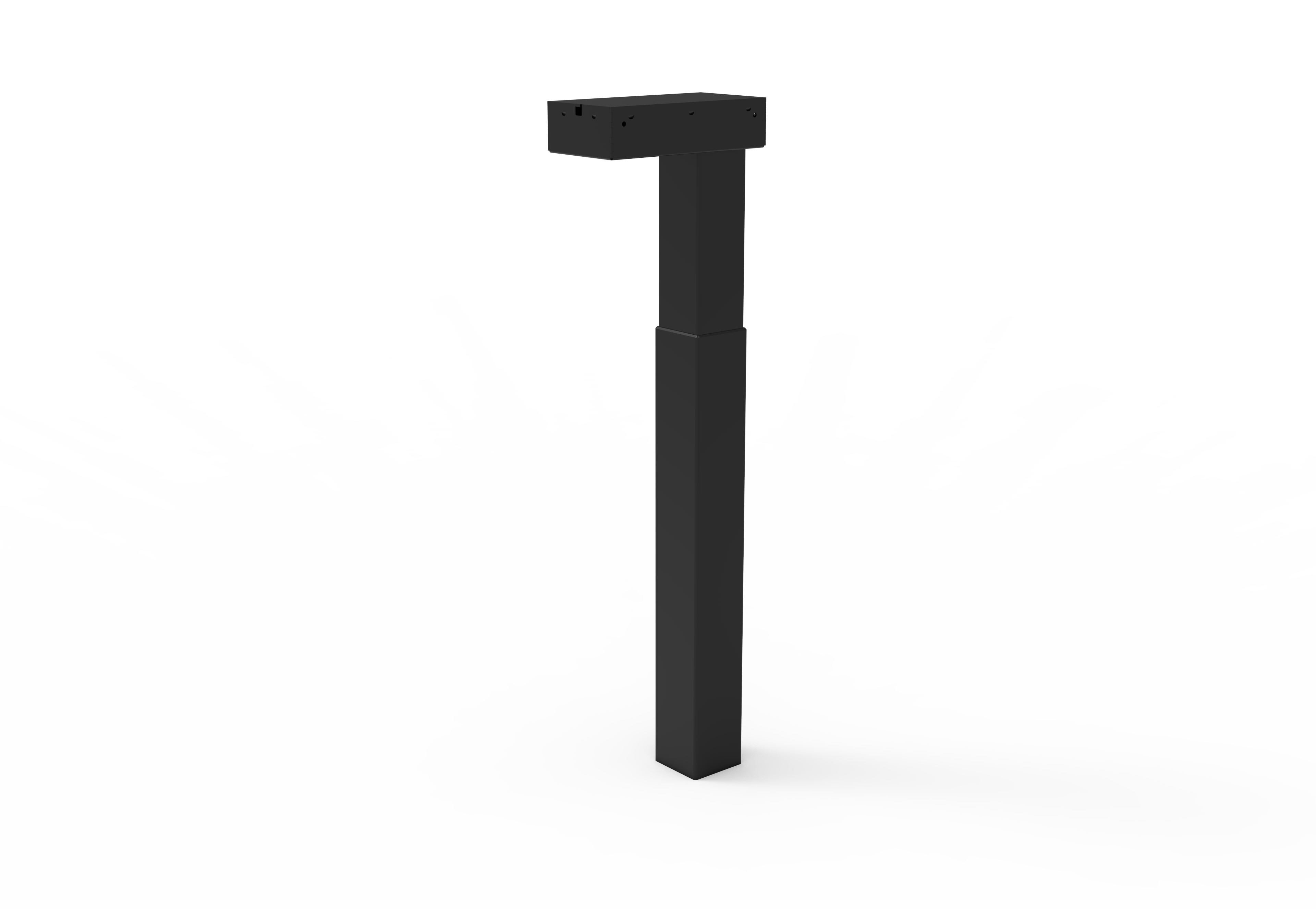
A common mistake in enterprise procurement is comparing only lifting speed or load figures. In real use, whether the desktop wobbles at standing height, whether dual motors stay synchronized, and whether the system retreats on obstruction determine whether employees will keep using it. We recommend full-load lifting tests at the sample stage and recording stability at different heights. For specific test standards and configurations, contact ETUP to verify.
2. Frame and workstation compatibility
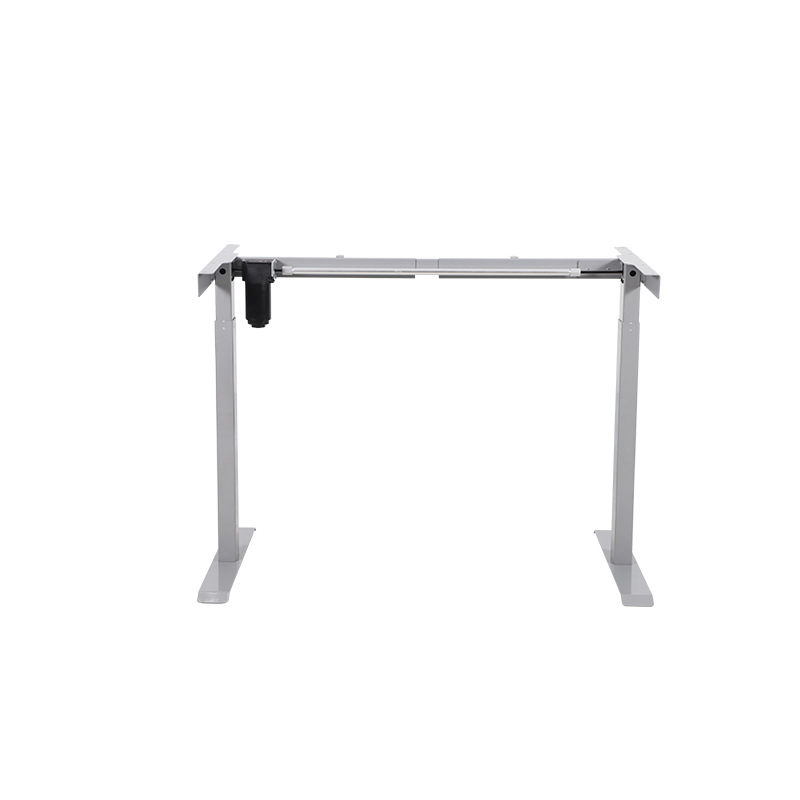
Renovation projects often retain part of the existing workstation structure. Whether a desk frame adapts to existing screens, cable trays, and power modules directly affects installation efficiency. For fit-out contractors, this matters more than appearance.
3. Cable management and safety
An adjustable desktop means cables must move with it. Cable management, anti-pinch design, and child lock or access lock functions should be listed in the procurement specification rather than solved on site.
4. Lifecycle maintenance
Enterprise buyers should look at the replaceability of control boxes, hand controllers, and motors, plus spare-parts strategy. Warranty terms and spare-parts policies are commercial terms; contact ETUP to verify.
Practical buyer checklist: 8 things to confirm before buying electric standing desks
- Number of workstations and site distribution, and whether a single model is required.
- Whether the lifting range matches the target users' height distribution and desktop accessory heights.
- Compatibility of desk frames with existing workstation systems, screens, and power modules.
- Whether cable management moves with the desktop and includes anti-pinch and lock functions.
- Replaceability of control boxes, hand controllers, and motors, and how spare parts are supplied.
- Electrical and safety compliance requirements in the target market (confirm applicable certifications with ETUP).
- MOQ, lead times, packaging, and installation instruction languages (contact ETUP to verify).
- Customization scope for OEM/ODM projects: branding, colors, and desktop materials (contact ETUP to verify).
Advice for distributors and OEM/ODM customers
The significance of enterprise renovation signals like P&G's for channel partners is front-loaded demand: enterprise clients define furniture standards during renovation planning, not after the fit-out is complete. Distributors who engage at the design stage with technical documentation for desk frames and lifting systems are more likely to enter project shortlists. OEM/ODM customers should focus on supply stability and specification consistency rather than price alone.
To be clear, this article does not claim that P&G used any particular supplier's products, nor does it equate the news signal with ETUP product performance. Please confirm all commercial details directly with ETUP.
FAQ
Does P&G's office renovation case prove that standing desks improve productivity?
No. The article is a topic signal showing that enterprises are linking workspace and employee wellbeing; it is not proof of any product's effect. Procurement decisions should rest on sample testing, compliance documents, and supplier audits.
Should a renovation project choose complete desks or desk frames?
It depends on the existing desktops and workstation systems. If desktops are retained, frame solutions are more flexible; if everything is replaced, complete desks make consistency easier to control. Contact ETUP to verify specific configurations.
Sources
Topic signal: Procter & Gamble, "P&G Office Design: How Renovated Workspaces Are Fueling the Business and Supporting Employee Wellbeing," published 2026-10-02. Link: Procter & Gamble news link. This article uses the source only as a topic signal; it does not copy the source content or infer any product performance from it.
This is a draft for human review and must not be published automatically.