Direct Answer: Why Office Renovations Are Becoming a B2B Procurement Focus
P&G's recent office renovation case shows that leading companies are integrating employee wellbeing and business efficiency into the same design framework. For distributors, office furniture brands, fit-out contractors, and enterprise buyers, this means procurement decisions need to shift from "meeting workstation counts" to "supporting flexible, healthy, and productive ways of working." Electric sit-stand desks, as a core component of adjustable workstations, are becoming a key procurement category in this transition. ETUP supplies B2B electric standing desks, desk frames, and lifting systems, but all commercial details must be confirmed with ETUP before publication.
This article uses the P&G case as a topic signal to analyze the implications of office renovation trends for procurement and to provide a practical buyer checklist. We do not claim that this case proves ETUP product performance; instead, we treat it as a reference point for industry direction.
Trend Analysis: The Shift from "Workstations" to "Experience" in Office Design
The P&G case emphasizes that renovated workspaces serve not only business goals but also employee wellbeing. This dual objective is reshaping corporate real estate and facilities management strategies. For the B2B supply chain, this means:
- Flexibility first: Spaces need to adapt to different work modes and team sizes, making adjustable furniture a baseline requirement.
- Health and efficiency combined: Employee wellbeing is no longer a welfare program but a business metric linked to productivity and retention.
- Total cost of ownership: Buyers are focusing more on durability, maintainability, and system compatibility rather than initial price alone.
These trends are evident in Europe, North America, the Middle East, and Southeast Asia, but specific requirements and standards vary by region. For example, European buyers may focus more on ergonomic certifications and environmental compliance, while Southeast Asian buyers may prioritize cost-effectiveness and local service capability. ETUP recommends that buyers verify against specific regulations and customer requirements in their target markets.
Practical Implications for B2B Buyers
1. Distributors and Office Furniture Brands
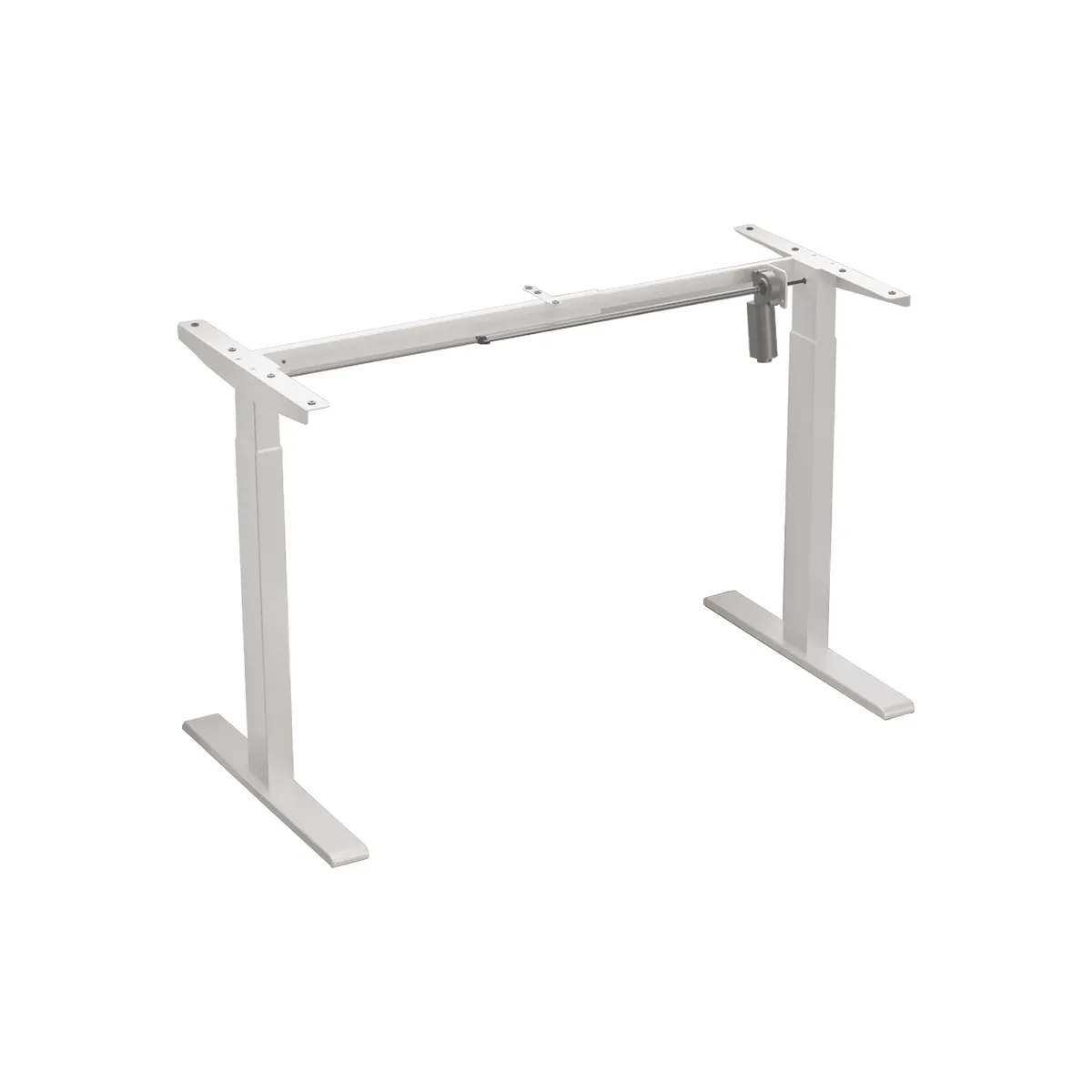
There is a need for a richer product portfolio to meet corporate clients' demand for flexible workstations. Electric sit-stand desks and frames should feature modular designs that facilitate pairing with different tabletops and accessories. At the same time, suppliers' OEM/ODM capabilities, lead times, and after-sales support are key considerations. Contact ETUP to verify customizable specifications and minimum order quantities.
2. Fit-out Contractors and Designers
Power, cabling, load capacity, and spatial planning for sit-stand desks need to be incorporated early in the project. Collaborating with suppliers to confirm frame dimensions, height range, and control options can avoid rework later. Designers should also consider the needs of users of different heights and the impact of sit-stand alternation on space layout.
3. Enterprise Procurement and Facilities Managers
Procurement decisions should be based on total cost of ownership, including product durability, warranty terms, spare parts availability, and supplier responsiveness. Buyers should request detailed technical specifications and test reports (if available) and verify their match with actual use scenarios. ETUP reminds buyers that all commercial details must be clarified in contracts.
Practical Buyer Checklist: Electric Sit-Stand Desk Procurement
The following checklist is for distributors, brands, contractors, and enterprise buyers when evaluating suppliers and products. Adjust according to project needs and verify specific parameters with suppliers.
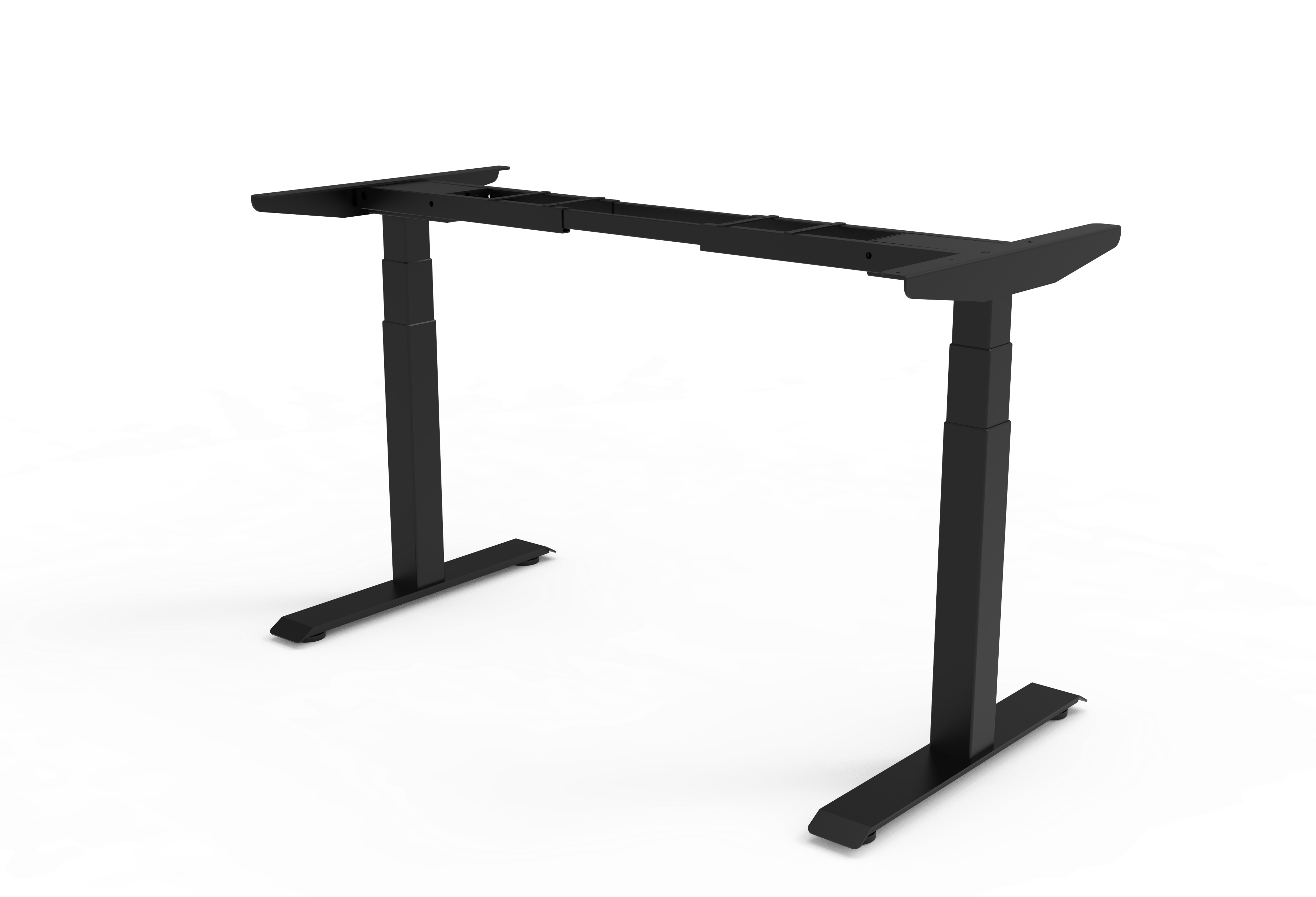
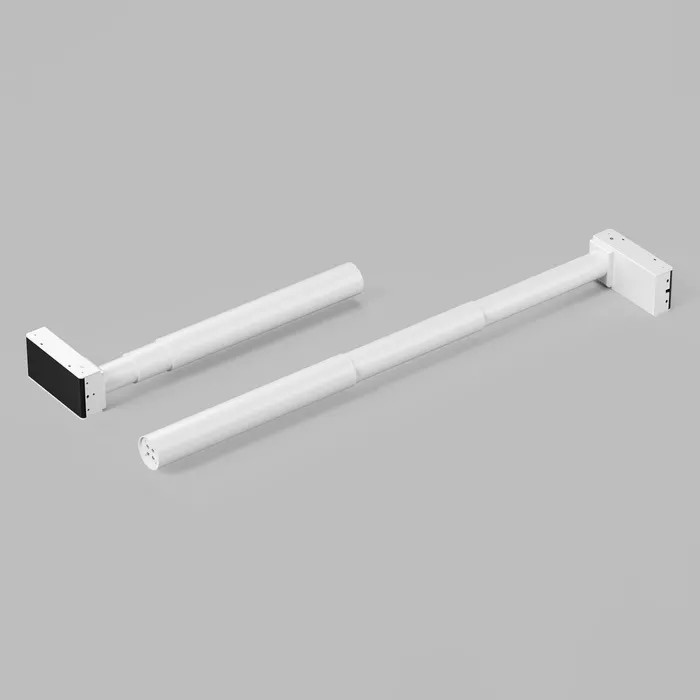
- Load capacity and stability: Confirm the frame's maximum load and stability during height adjustment, especially for dual-motor or three-stage leg designs.
- Height range: Does it cover the height range of the target user group? Does it comply with local ergonomic recommendations?
- Motor and control system: Motor lifespan, noise level, and control panel functions (memory height, anti-collision, etc.) need to be confirmed with the supplier.
- Safety certifications: Are electrical safety, EMC, and environmental certifications required by the target market complete? Ask the supplier for copies of certificates.
- Customization capability: Is OEM/ODM supported? What customization options are available for frame color, dimensions, and branding? Contact ETUP to verify.
- Lead time and capacity: Standard lead times and capacity for bulk orders need to be verified with the supplier to avoid project delays.
- Warranty and after-sales: Warranty period, spare parts supply, and after-sales response time should be written into the contract.
- Packaging and logistics: Is the packaging suitable for transportation and warehousing in the target market? Does it support optimized container loading?
Regional Market Considerations
Procurement priorities differ across markets:
- Europe: Focus on CE certification, REACH compliance, ergonomic standards (e.g., EN 527), and sustainability requirements.
- North America: Focus on UL/ETL certification, BIFMA standards, ADA compliance, and insurance requirements.
- Middle East: Focus on motor reliability in high-temperature environments, voltage stability, and local service networks.
- Southeast Asia: Focus on cost-effectiveness, moisture-resistant packaging, and fast delivery capability.
ETUP recommends that buyers specify their target market and project requirements when requesting quotes so that suppliers can provide targeted solutions. All certification and compliance details must be confirmed with ETUP.
Conclusion: Evidence-Led Procurement Decisions
The P&G office renovation case is a topic signal indicating that companies are combining employee wellbeing with business goals. For B2B buyers, this means evaluating sit-stand desk suppliers' technical capabilities, compliance, and service support more carefully. As a supplier of B2B electric standing desks, desk frames, and lifting systems, ETUP is ready to assist buyers with selection. However, please note: this article does not constitute proof of ETUP product performance, and all commercial details must be confirmed with ETUP before publication.
Sources
Topic signal source: Procter & Gamble, "P&G Office Design: How Renovated Workspaces Are Fueling the Business and Supporting Employee Wellbeing", 2026-10-02. Link (used as a topic signal only; does not prove ETUP product performance).