Direct answer: matching chairs to standing desks is about height coordination, not a single product
For distributors, office furniture brands, fit-out contractors, and enterprise buyers, pairing a standing desk with an office chair should not be treated as two separate purchases. The core question is whether users get proper support when the desk is raised to standing height, and whether the chair and desk form a sensible height relationship when the desk returns to sitting height. A Men's Health chair roundup (linked in Sources) offers a market signal: end users are asking what chair to pair with a standing desk. That article does not prove the performance of any specific product, and it is not a test result for ETUP products.
This article looks at the matching logic from a B2B procurement perspective, highlights common pitfalls, and provides a checklist you can use in RFQs. Confirm all commercial details—MOQ, lead times, certifications, warranty—with ETUP before writing them into contracts or tender documents.
Why chairs and standing desks should be procured as a system
The value of a standing desk lies in sit-stand alternation, and how smoothly that alternation works depends on the height relationship between chair and desk. If armrests are too high, the desk may not come close enough at sitting height. If the chair's seat-height range is too narrow, users of different statures may lack transitional support when working at standing height. In B2B procurement, it is common to request quotes from a desk-frame supplier and a chair supplier separately, but this creates two risks: interface dimensions (desktop thickness, lifting column position) may not match the chair base, and after-sales responsibility can become unclear.
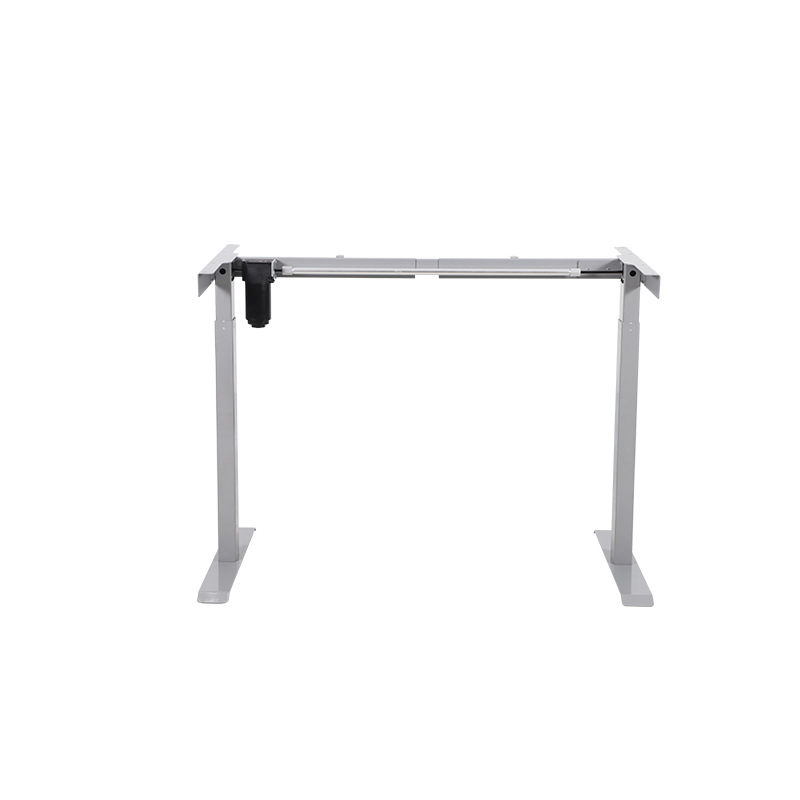
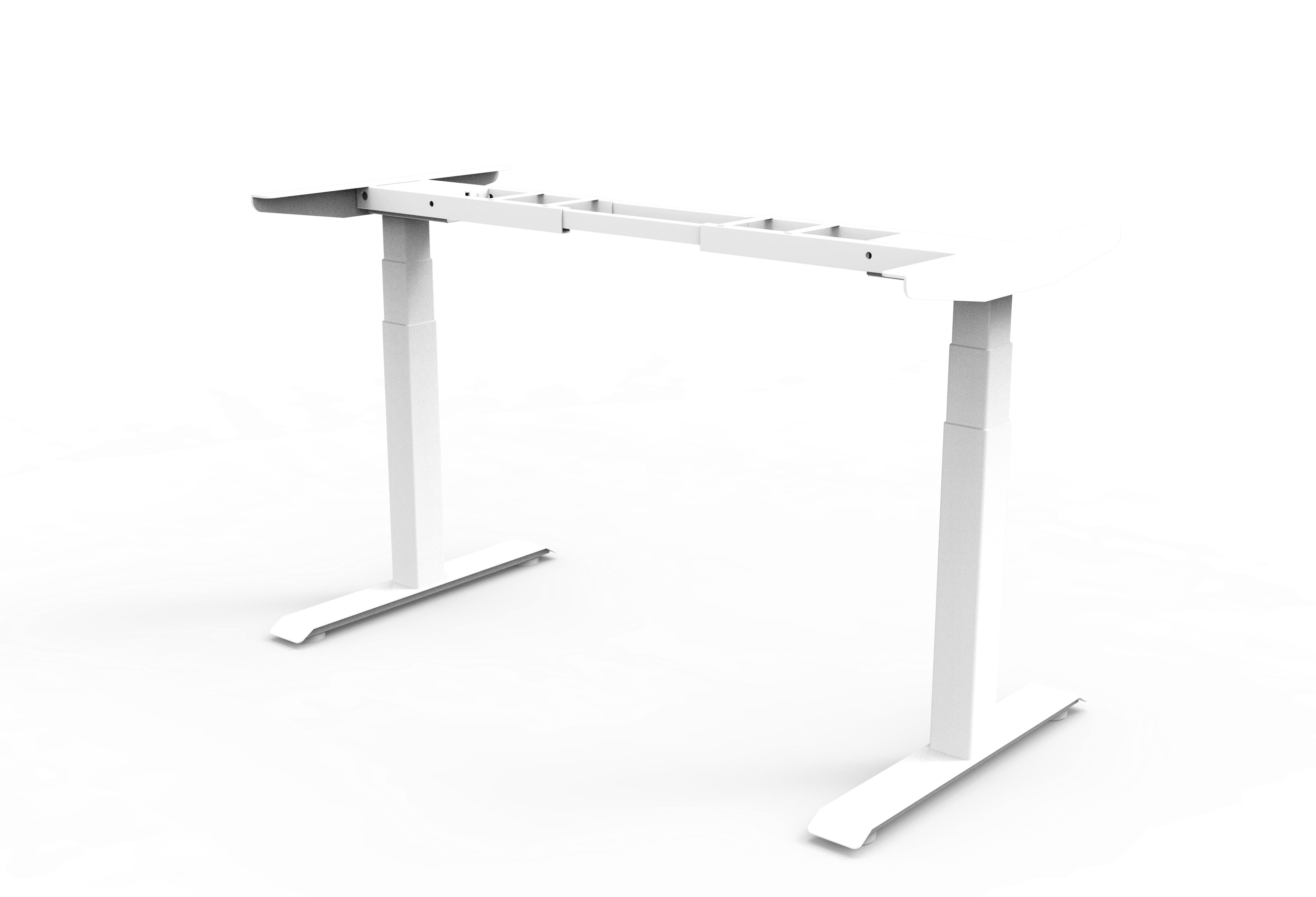
A more robust approach is to bring the chair into the solution early and confirm at least three things: the desktop height range, the chair's seat-height and armrest-height ranges, and the stature distribution of the target user group. As a B2B supplier of electric standing desks, desk frames, and lifting systems, ETUP can provide desktop height parameters; chair-side parameters must be confirmed by the chair supplier.
Matching logic for three typical procurement scenarios
1. Enterprise bulk purchase: align height ranges first
Enterprise purchases usually serve employees of varied statures. First confirm that the desk's height range covers most users, then select chairs whose seat-height and armrest ranges connect with it. Do not compare unit prices alone; compare usability during sit-stand transitions. Request specification sheets from ETUP and the chair supplier separately for exact height parameters.
2. Fit-out contractors and office furniture brands: focus on interfaces and installation
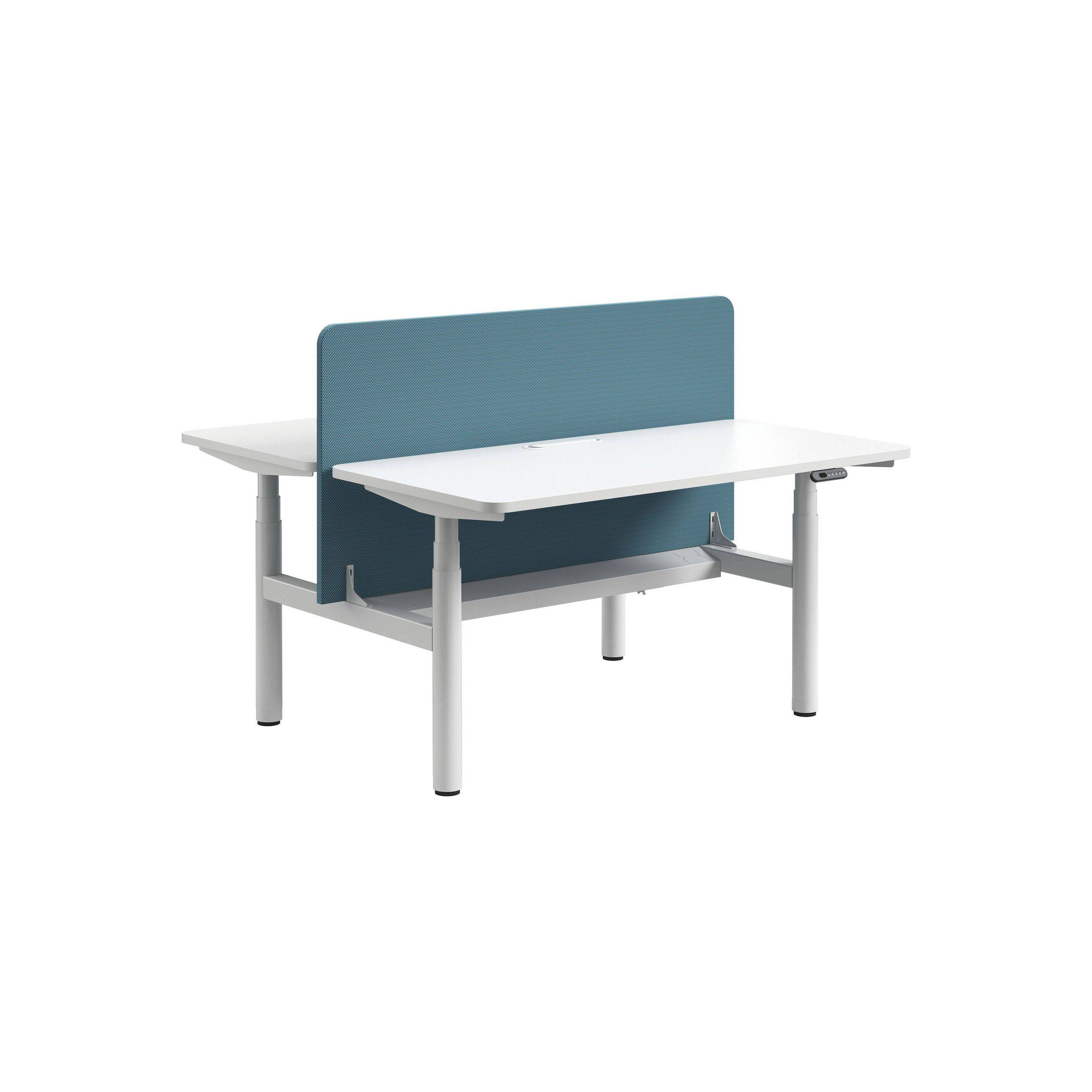
Contractors care about on-site installation efficiency and rework rates. Lifting column position, control box routing, and desktop cut-outs all affect whether a chair can be pushed under the desk smoothly. We recommend a sit-stand transition test at the mock-up stage and recording any interference between armrests and desktop. ETUP can provide technical documentation for desk frames and lifting systems, but the final matching conclusion should be verified by the project team in a mock-up.
3. OEM/ODM customers: make chair compatibility a design input
For OEM/ODM customers with their own brands, chair compatibility should be a design input rather than a late-stage fix. For example, clearance under the desktop, control panel position, and cable management tray depth all affect chair stowage and legroom. Before prototyping, define the target chair's seat height, armrest height, and base dimensions, and confirm the desk frame's adjustable parameters with ETUP.
Common pitfall: treating a media roundup as procurement evidence
Consumer media chair roundups can reveal user concerns—such as the search intent around pairing chairs with standing desks—but they are typically based on short-term experience with limited samples and do not address batch consistency, durability, or after-sales in B2B scenarios. Buyers should not treat such articles as proof of product performance or infer any supplier's test results from them. The right approach is to use media signals to validate demand, and use supplier specifications, sample testing, and contract terms as the basis for decisions.
Practical buyer checklist
The checklist below can be used during RFQs, prototyping, and acceptance. For specific ETUP product parameters, note "contact ETUP to verify."
- Height range: Do the desk's lowest and highest heights cover the target user group? Can the chair's seat and armrest heights connect with them?
- Clearance and stowage: When the chair is pushed under the desk, do armrests, base, desk frame, and control box interfere?
- Lifting stability: At standing height, is desktop wobble within an acceptable range? Confirm through sample testing.
- Controls and routing: Does the control panel position affect chair access? Does cable management conflict with the chair base?
- Certifications and compliance: Are the certifications and documents required in the target market (Europe, North America, the Middle East, Southeast Asia) complete? Contact ETUP to verify.
- MOQ and lead time: Do minimum order quantities and lead times fit the project schedule? Contact ETUP to verify.
- Warranty and after-sales: Are the warranty scopes and responsibilities for the desk frame, lifting system, and chair clearly defined?
- Mock-up validation: Has a sit-stand transition test been completed and documented before bulk ordering?
Advice for B2B buyers
Evaluating chairs and standing desks as a system can reduce rework and after-sales risk. We recommend requesting technical documentation for desk frames and lifting systems from ETUP at the RFQ stage and cross-checking it against the chair supplier's parameters. All commercial details are subject to ETUP's formal quotation and contract; this article does not constitute a commitment regarding any product's performance.
Sources
The topic signal for this article comes from a Men's Health chair roundup: We Tried a Bunch of Office Chairs—These Are the Best for Standing Desks (published 2026-08-18). This source is used only to illustrate market attention and does not represent ETUP product testing or performance conclusions.