Direct answer
Hybrid office design is less about filling desks and more about making space switchable between on-site and remote days. For B2B buyers, that shifts standing desks, desk frames, and lifting systems from standalone furniture to configurable, expandable, and maintainable space components. Using Fast Company's hybrid office design principles as a topic signal, this analysis translates them into procurement implications for distributors, office furniture brands, fit-out contractors, enterprise buyers, and designers. It does not cite the source as proof of any product performance. Confirm all commercial details with ETUP.
About the topic signal
The starting point is Fast Company's article "4 principles for hybrid office design," published on May 15, 2024. We treat it only as an industry topic signal. We do not copy the article or present it as product testing or performance evidence. The link is in the Sources section below.
Principle 1: Space must be reconfigurable; furniture must be configurable
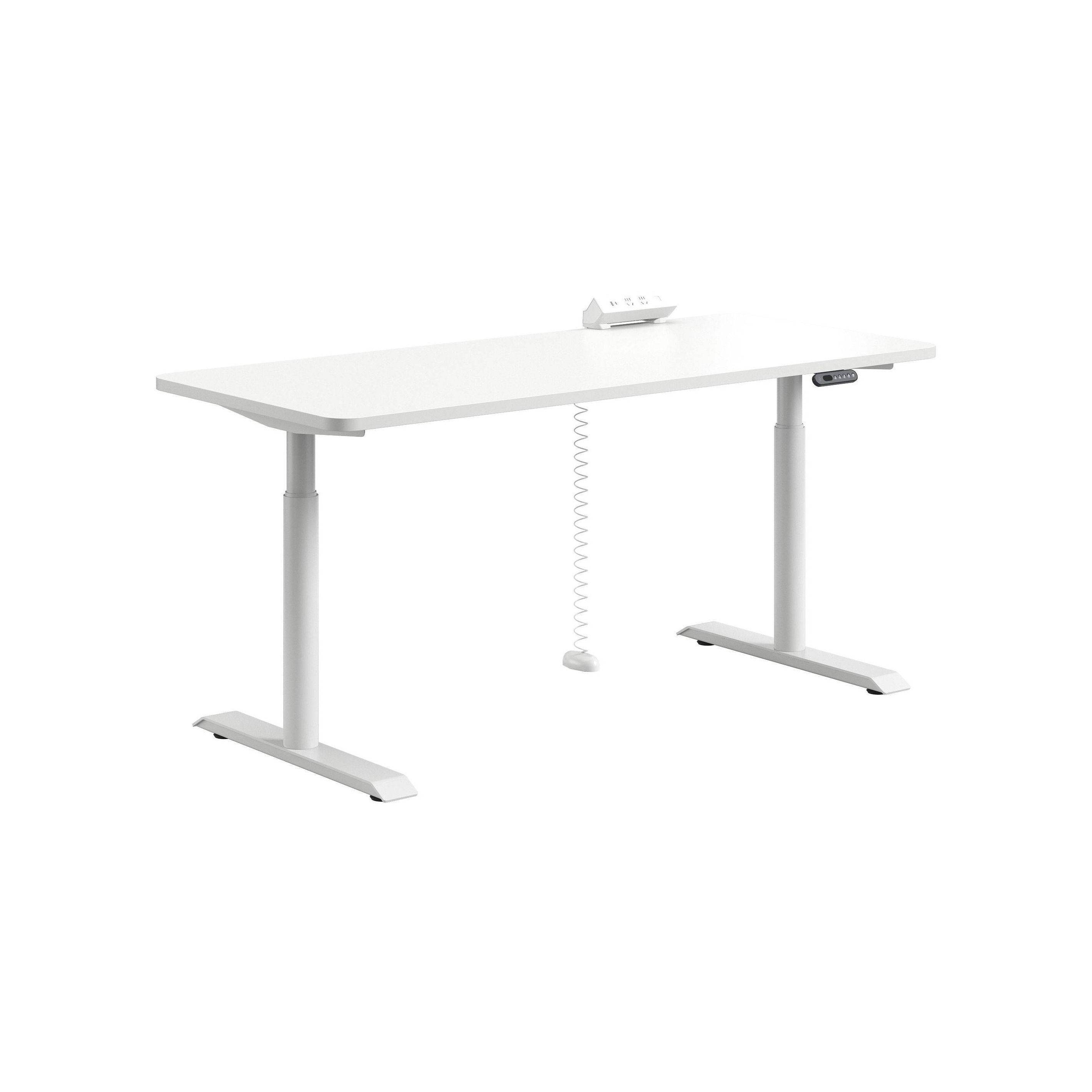
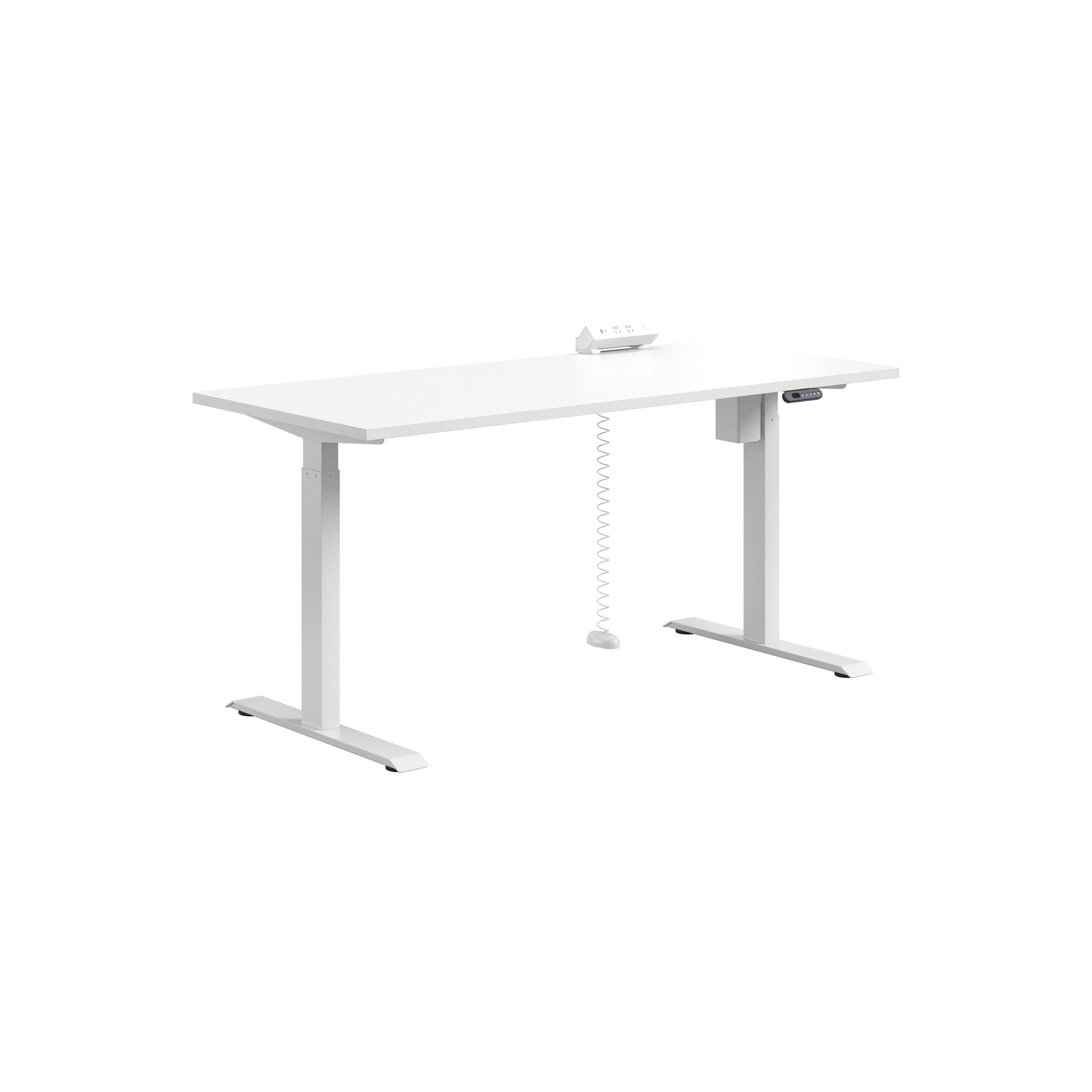
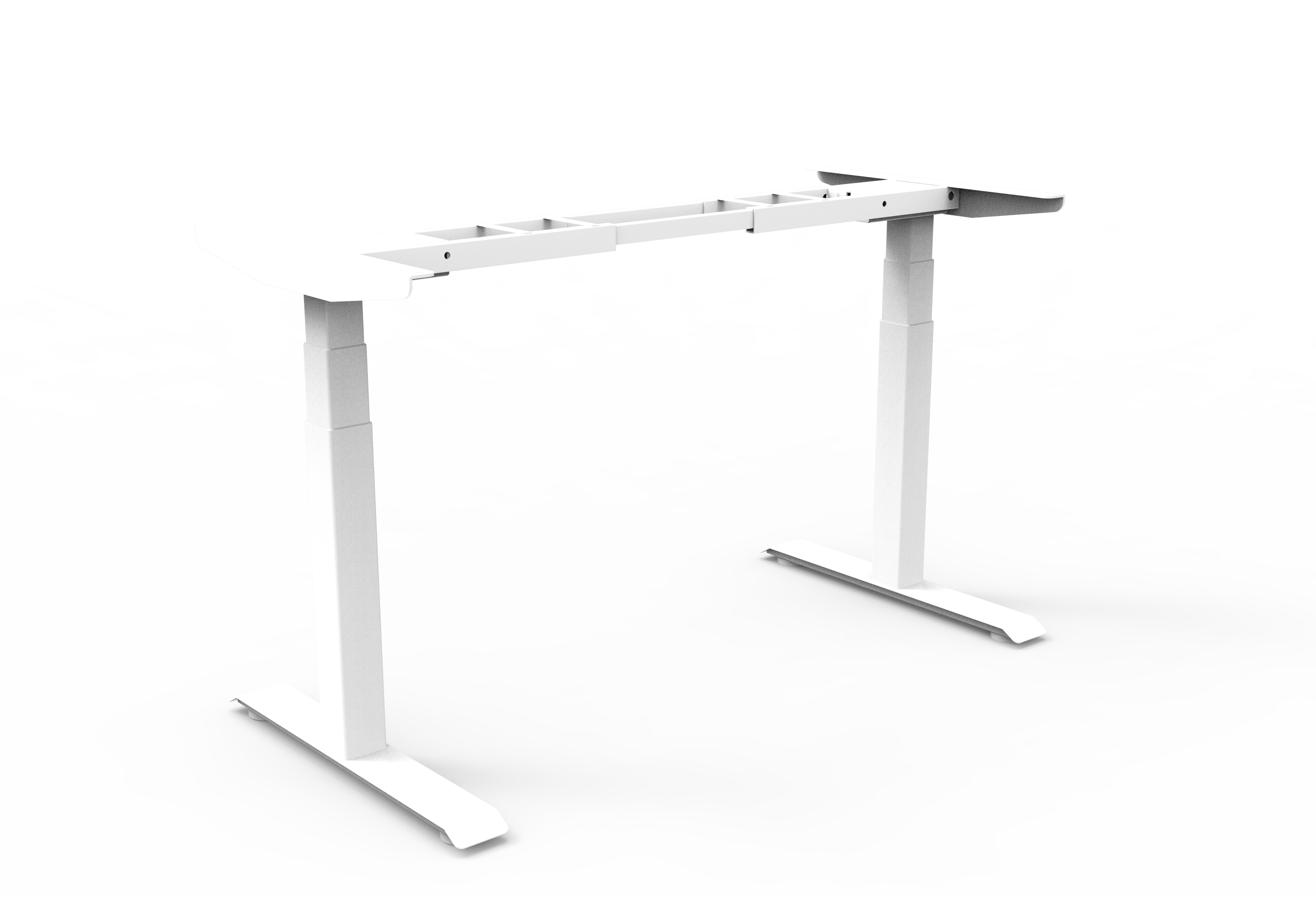
In a hybrid office, the same zone may host collaboration in the morning and focused work in the afternoon. Buyers should favor modular desk frames and lifting systems whose surface sizes, height ranges, and accessory interfaces can adapt to the scenario. For distributors and OEM/ODM customers, configurability also means fewer SKUs covering more project requirements, which can reduce inventory complexity. Contact ETUP to verify specific configuration options, compatible accessories, and customization boundaries.
Procurement implications
- Check whether the desk frame supports multiple surface sizes and height ranges.
- Check whether the lifting system allows later addition or replacement of control modules.
- Check whether accessory interfaces are standardized, so projects are not forced to replace an entire system later.
Principle 2: Center on employee experience, not desk count
Hybrid work reduces the need for fixed desks but raises expectations for each on-site visit. Sit-stand alternation is one element of that experience that furniture can directly support. When evaluating electric standing desks, buyers should look at operating stability, noise, and memory height rather than price alone. These indicators should be based on supplier specifications and sample evaluation; contact ETUP directly to verify its specific parameters.
Procurement implications
- Ask suppliers for verifiable specifications rather than verbal promises.
- Arrange sample evaluation before volume purchase, covering real usage scenarios.
- Include after-sales support and spare-part availability in total cost of ownership.
Principle 3: Technology should be invisible; infrastructure should be planned
Hybrid spaces increasingly add video conferencing and flexible workpoints, and cable, power, and network routing directly affect furniture selection. Cable management on standing desks, coordination between desk frames and floor boxes, and integration of lifting systems with control panels should be aligned with furniture suppliers during the fit-out design stage. For fit-out contractors and designers, the earlier furniture technical parameters are introduced, the less rework on site.
Procurement implications
- Obtain installation dimensions and cable-routing requirements for desk frames and lifting systems at the design stage.
- Confirm compatibility between lifting systems and the project's electrical plan.
- Define on-site installation responsibilities to avoid gaps between contractors and furniture suppliers.
Principle 4: Sustainability and durability must be verifiable
Hybrid offices often involve space changes and furniture relocation, so durability and maintainability directly affect replacement frequency. Buyers should ask suppliers to explain materials, structural parts, and maintenance approaches for lifting systems, and should write warranty terms into contracts. This article does not claim any specific certification or warranty period; request and verify relevant documents and terms with ETUP.
Procurement implications
- Request maintainability documentation and a spare-parts list.
- Specify warranty scope and response methods in the contract.
- Assess ease of disassembly and reassembly during relocation and reconfiguration.
Buyer checklist
- Does the desk frame support the surface sizes and height ranges the project requires?
- Do the lifting system's control method and cable routing match the fit-out design?
- Are verifiable specifications and samples available?
- What are the supply cycles for accessories and spare parts? Contact ETUP to verify.
- Are warranty terms, installation responsibilities, and after-sales response written into the contract?
- Are customization boundaries and MOQ for OEM/ODM projects clearly defined? Confirm with ETUP.
- Can volume delivery and project scheduling align with the fit-out timeline? Confirm with ETUP.
Recommendations for B2B buyers
Translating hybrid design principles into procurement language comes down to three moves: replace single-SKU thinking with configurability, replace verbal promises with verifiable specifications, and replace lowest price with total lifecycle cost. For distributors and brands, this means earlier and deeper technical collaboration with suppliers. For enterprises and contractors, it means bringing furniture parameters into the design stage. ETUP supplies B2B electric standing desks, desk frames, and lifting systems; verify its specific product range, customization capabilities, and commercial terms with ETUP before publication.
Sources
Topic signal: Fast Company, "4 principles for hybrid office design," May 15, 2024. Original link. This article uses the source only as a topic signal, not as product performance evidence.
This is a draft for human review and must not be treated as published content.