Direct Answer: Why Public Procurement Audits Matter to B2B Buyers
Vancouver's Auditor General released a performance audit report on office furniture purchases. While it targets the public sector, the issues it raises—procurement transparency, supplier evaluation, and contract management—are highly relevant to distributors, office furniture brands, fit-out contractors, and enterprise buyers. Audit reports typically highlight risks such as unclear requirements, ambiguous supplier selection criteria, and inadequate contract monitoring. B2B buyers can use these insights to review their own procurement processes and improve decision-making. This article is an original analysis based on the audit report as a topic signal; it does not prove any product's performance.
Key Focus Areas of the Audit Report
According to public information, the audit focuses on the performance of office furniture procurement. While specific details require consulting the original report, such audits generally examine:
- Clarity of procurement requirements: Are furniture functions, quantities, and delivery timelines fully defined before purchase?
- Fairness and competitiveness of supplier selection: Are suppliers chosen through open competition, and are evaluation criteria objective?
- Contract management and performance monitoring: Are product quality and delivery times effectively tracked?
- Cost-effectiveness: Does the purchase achieve value for money, and are there unnecessary expenses?
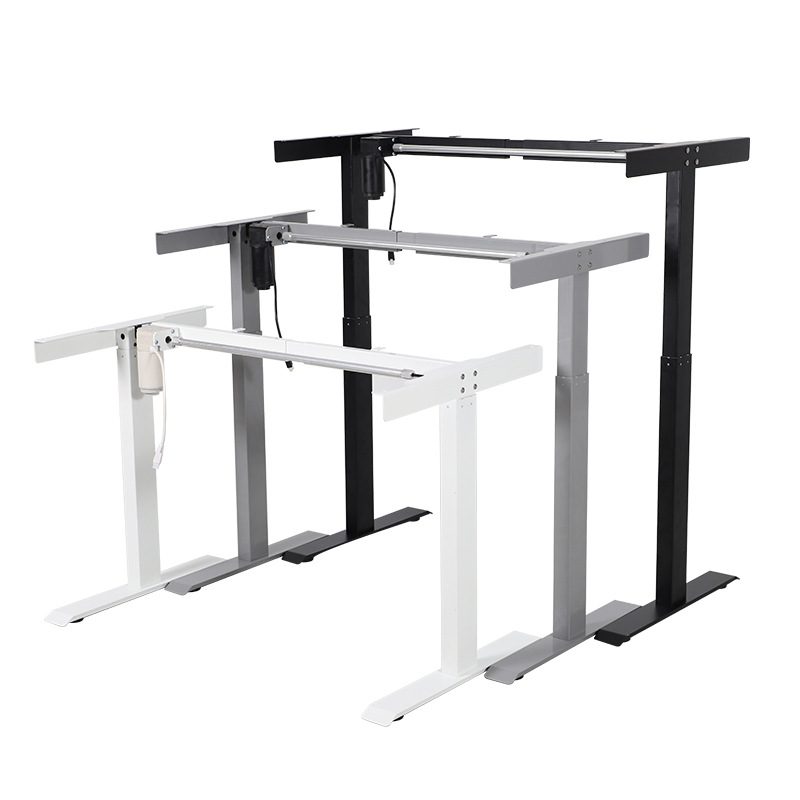
These concerns apply equally to corporate procurement. For example, when purchasing electric standing desks, specifying load capacity, height range, and motor lifespan, and establishing a supplier evaluation mechanism, can reduce procurement risks.
Implications for B2B Office Furniture Procurement
1. Strengthen Requirement Definition and Specifications
Audits often cite vague requirements as a source of subsequent problems. Buyers should develop detailed specifications before requesting quotes, including dimensions, materials, functions, and safety standards. For electric standing desks, key parameters such as lifting speed, noise level, and standby power consumption should be specified. Refer to industry standards where appropriate, but avoid specifying particular brands.
2. Establish a Transparent Supplier Evaluation System
Audits emphasize fairness in supplier selection. B2B buyers can create a scorecard to evaluate suppliers on quality, price, delivery capability, and after-sales service. For OEM/ODM customers, also assess design capability, production flexibility, and quality control systems. Request certification documents (e.g., ISO, CE, BIFMA) but verify their validity independently.
3. Enhance Contract Performance Monitoring
Audit reports may reveal contract management gaps. Buyers should specify acceptance criteria, delivery schedules, and liability clauses in contracts, and regularly check supplier performance. For bulk purchases, consider interim inspections or sampling tests.
4. Focus on Total Cost of Ownership, Not Just Initial Price
Audits focus on cost-effectiveness. The total cost of ownership for office furniture includes procurement, installation, maintenance, energy consumption, and disposal. Motor lifespan and energy efficiency of electric standing desks affect long-term costs. Buyers should evaluate comprehensively rather than comparing quotes alone.
Practical Buyer Checklist: Points to Confirm Before Office Furniture Procurement
The following checklist helps buyers systematize the procurement process and reduce risks:
- Needs analysis: Clarify usage scenarios, quantities, functional requirements, and budget range.
- Specifications: Detail technical parameters, materials, colors, dimensions, and safety standards.
- Supplier qualifications: Request business licenses, certificates, and test reports, and verify their validity.
- Sample evaluation: If possible, request samples for practical testing.
- Contract terms: Specify delivery time, acceptance criteria, payment terms, warranty period, and liability.
- Performance monitoring: Develop an inspection plan to ensure on-time, quality delivery.
- After-sales support: Confirm warranty coverage, response time, and spare parts availability.
- Cost analysis: Calculate total cost of ownership, including energy and maintenance.
For specific commercial details such as MOQ, lead times, and certification scope, please contact ETUP to verify.
ETUP's Role: Reliable Lifting Systems for B2B Buyers
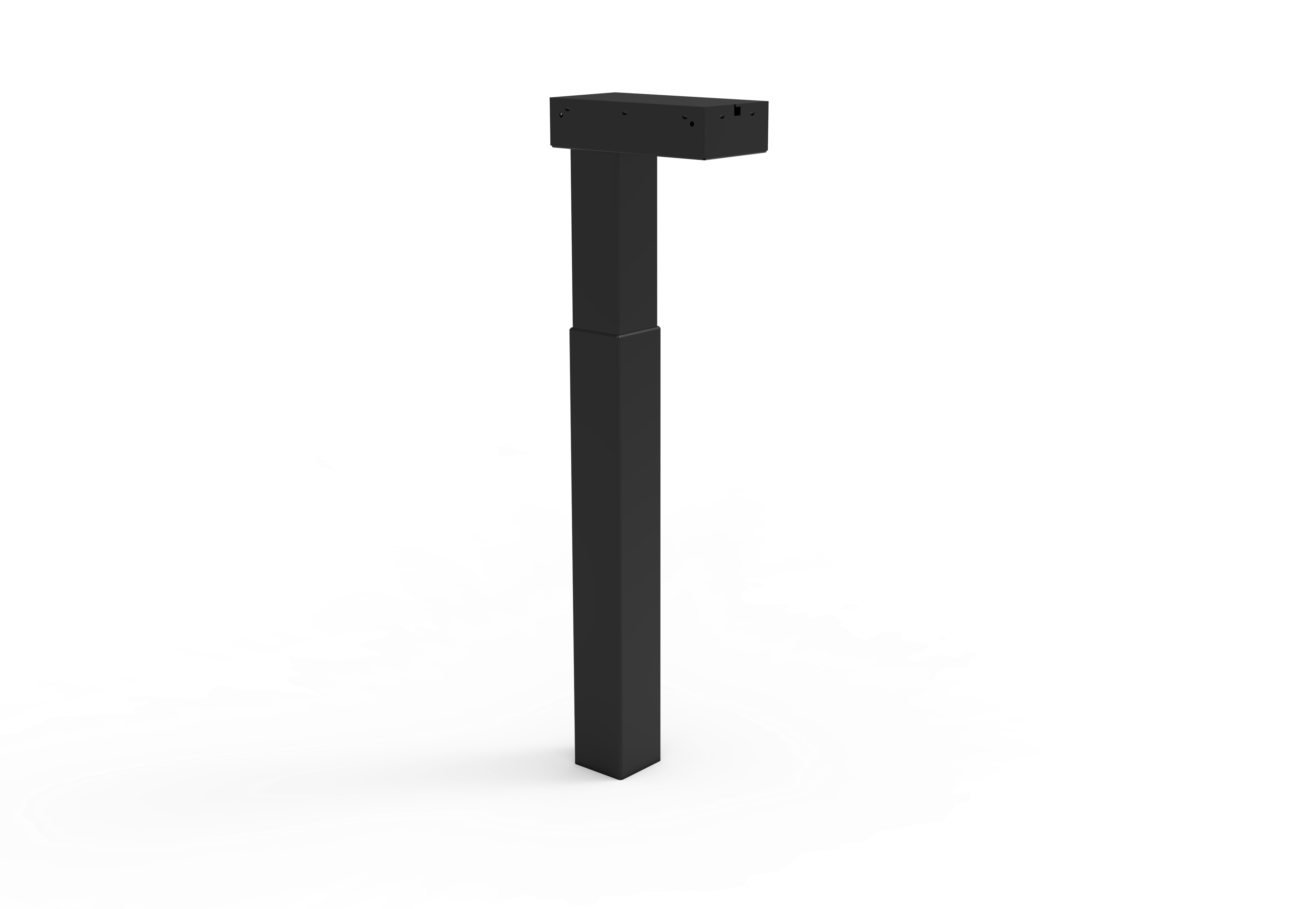
ETUP supplies B2B electric standing desks, desk frames, and lifting systems to distributors, office furniture brands, fit-out contractors, and enterprise buyers. We understand the importance of procurement transparency and quality. Our products undergo rigorous testing, but this article does not claim that the audit report proves ETUP product performance. We encourage buyers to conduct independent evaluations and welcome inquiries about specific specifications and commercial terms.
Conclusion
Vancouver's audit report reminds us that office furniture procurement requires systematic processes and transparent management. B2B buyers should adopt an audit mindset to strengthen requirement definition, supplier evaluation, and contract management for optimal procurement outcomes. By using practical checklists and careful evaluation, buyers can reduce risks and enhance procurement value.
Sources
Topic signal: Auditor General releases performance audit report on office furniture purchases - City of Vancouver. Source link: City of Vancouver. This article uses the report only as a topic signal and does not constitute proof of any product's performance. Please confirm commercial details with ETUP.