Direct answer
For B2B electric standing desk buyers, circular design is not an environmental slogan—it is a concrete procurement dimension that affects total cost of ownership, ESG requirements, and compliance risk. A topic signal from the Ellen MacArthur Foundation about saving office furniture from landfill (Deartree) indicates that end-of-life furniture is becoming a visible issue for brands and facility managers. Buyers should add repairability, disassembly, spare parts availability, and material information to supplier evaluations rather than comparing unit price alone. This article does not claim the source proves any ETUP product performance; all commercial details must be verified with ETUP.
Why this signal matters to buyers
The signal comes from the Ellen MacArthur Foundation and concerns office furniture circularity. It is not a test or certification of standing desk products; it is an industry topic signal: the linear “buy—use—discard” model for office furniture is under more scrutiny. For distributors, office furniture brands, fit-out contractors, and enterprise buyers in Europe, North America, the Middle East, and Southeast Asia, this means end customers may start asking: where does this desk go at end of life? Can it be repaired? Are spare parts available?
Buyers do not need to wait for regulation. They can turn these questions into a supplier questionnaire. Products with better circularity often also come with clearer bills of materials, more disciplined packaging, and more predictable after-sales support.
How circular design translates into standing desk procurement
1. Repairability and spare parts
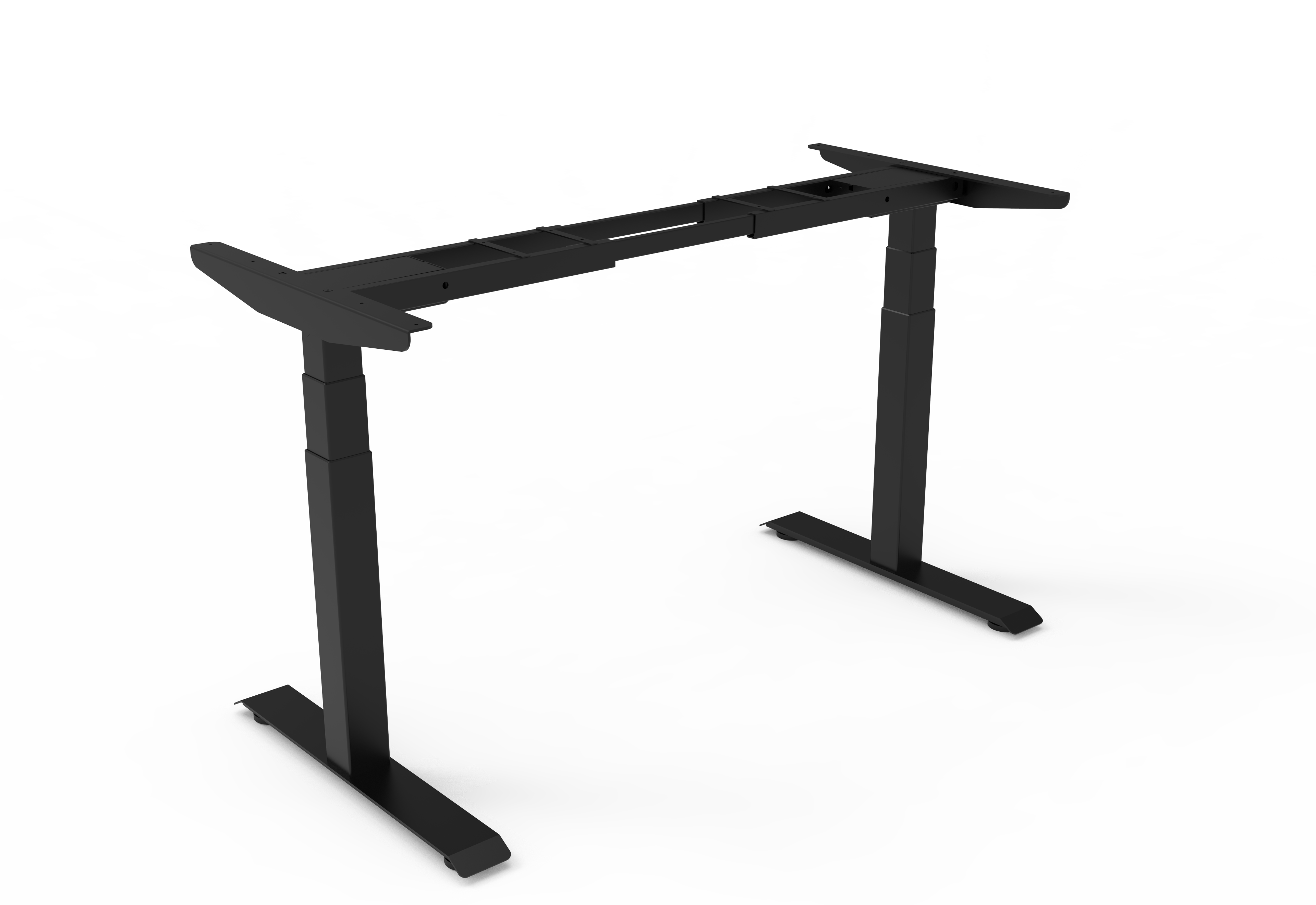
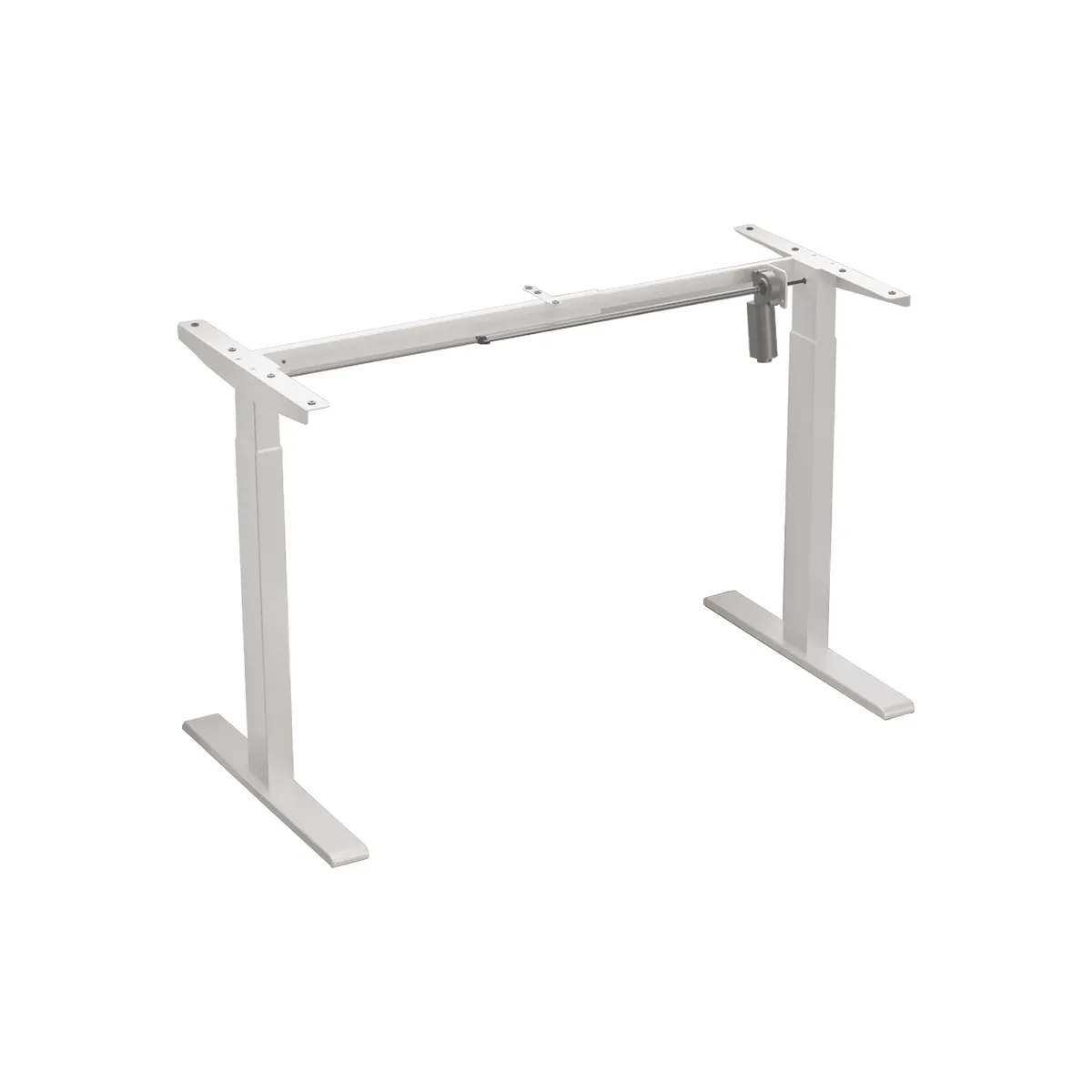
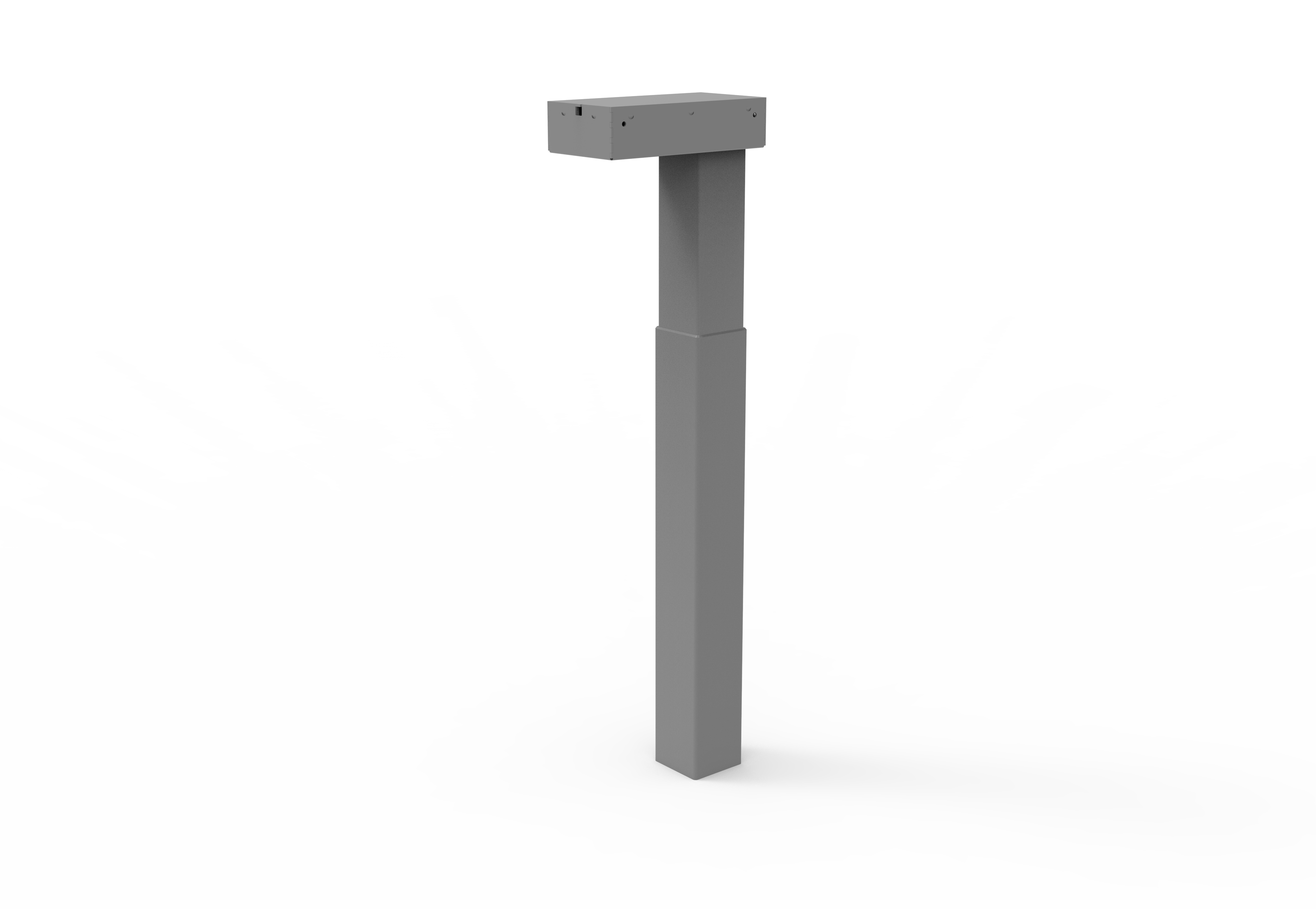
The core components of an electric standing desk include the frame, columns, motor, control box, handset, and cables. Buyers should ask: can the motor and control box be replaced separately? What is the spare parts lead time? Are repair guides available? These details must be verified with ETUP and should not be assumed.
2. Disassembly and material identification
Design for disassembly helps separate metal, plastic, and electronic parts for recycling. Buyers can ask suppliers to describe main material composition and connection methods (for example, the proportion of screwed versus welded joints), but should not request unverified recycled content figures.
3. Packaging and transport efficiency
Flat-pack and recyclable packaging affect both logistics cost and end-of-life handling. Buyers can ask about packaging material types and recyclability, subject to ETUP confirmation.
4. Durability and warranty terms
Longer service life is central to circularity. Buyers should verify warranty coverage, load ratings, and lifting cycle test conditions rather than relying on marketing claims. All parameters must be confirmed with ETUP.
Practical implications for B2B buyers
- Distributors: Repairable products can reduce returns and after-sales costs, but spare parts availability must be confirmed.
- Office furniture brands and OEM/ODM customers: Circular design can be a differentiator, but suppliers must provide verifiable material and structural information.
- Fit-out contractors: In project delivery, disassemblable furniture is easier to reconfigure and relocate.
- Enterprise buyers: ESG reporting may require furniture disposal and recycling data; procurement contracts should define what information the supplier can provide.
Buyer checklist: questions to ask suppliers
- Can the motor, control box, and handset be replaced separately? What is the spare parts lead time?
- What are the main frame materials? Can different material parts be separated?
- Are disassembly or repair instructions available?
- Are packaging materials recyclable? Is packaging volume optimized?
- Which components does the warranty cover, and for how long?
- Can material declarations or compliance documents be provided where applicable?
- Are end-of-life recycling recommendations available?
For any ETUP-specific commercial terms among these questions, contact ETUP to verify; do not treat this article as a commitment.
Conclusion
The value of this signal is not that it proves a particular product, but that it moves furniture end-of-life from a back-office issue to the procurement table. For B2B standing desk buyers, the most practical step is to add circularity questions to supplier scorecards and to define information obligations in contracts. Circular design is not a one-time certificate; it is an ongoing product management capability.
Sources
Topic signal: “Saving office furniture from landfill: Deartree,” Ellen MacArthur Foundation. Link. This source is used only as a topic signal and does not validate ETUP products.