Direct answer
For small UK homes, a standing desk can be a sensible choice, but only if the size, frame structure and electrical configuration are right. It is not universally suitable; where space is tight, budgets are limited or building constraints apply, a fixed-height desk or wall-mounted solution may be more practical. For B2B buyers, the question "is it good for small spaces?" should be broken down into verifiable engineering and compliance points rather than relying on a single marketing claim.
This article uses e-architect's guide on standing desks for small UK homes as a topic signal (see Sources). It offers original analysis from ETUP's perspective as a B2B supplier of electric standing desks, desk frames and lifting systems. The source is used only to indicate market interest and does not prove ETUP product performance or suitability.
Why the small-home scenario matters to B2B buyers
UK urban housing often involves limited room sizes and growing demand for multi-functional spaces. With remote work and home study now common, one desk may need to switch between work, dining and storage. A standing desk's value lies in height adjustment to suit different users and sit-stand alternation; in small spaces, however, it can introduce new issues around footprint, cable routing, wall clearance and electrical safety.
For distributors and office furniture brands, this means product ranges need finer size gradations and configuration options rather than simply shrinking a standard office desk. For fit-out contractors and designers, power locations, wall structure and furniture circulation should be confirmed at the design stage.
Key design considerations for small-home standing desks
1. Dimensions and desktop depth
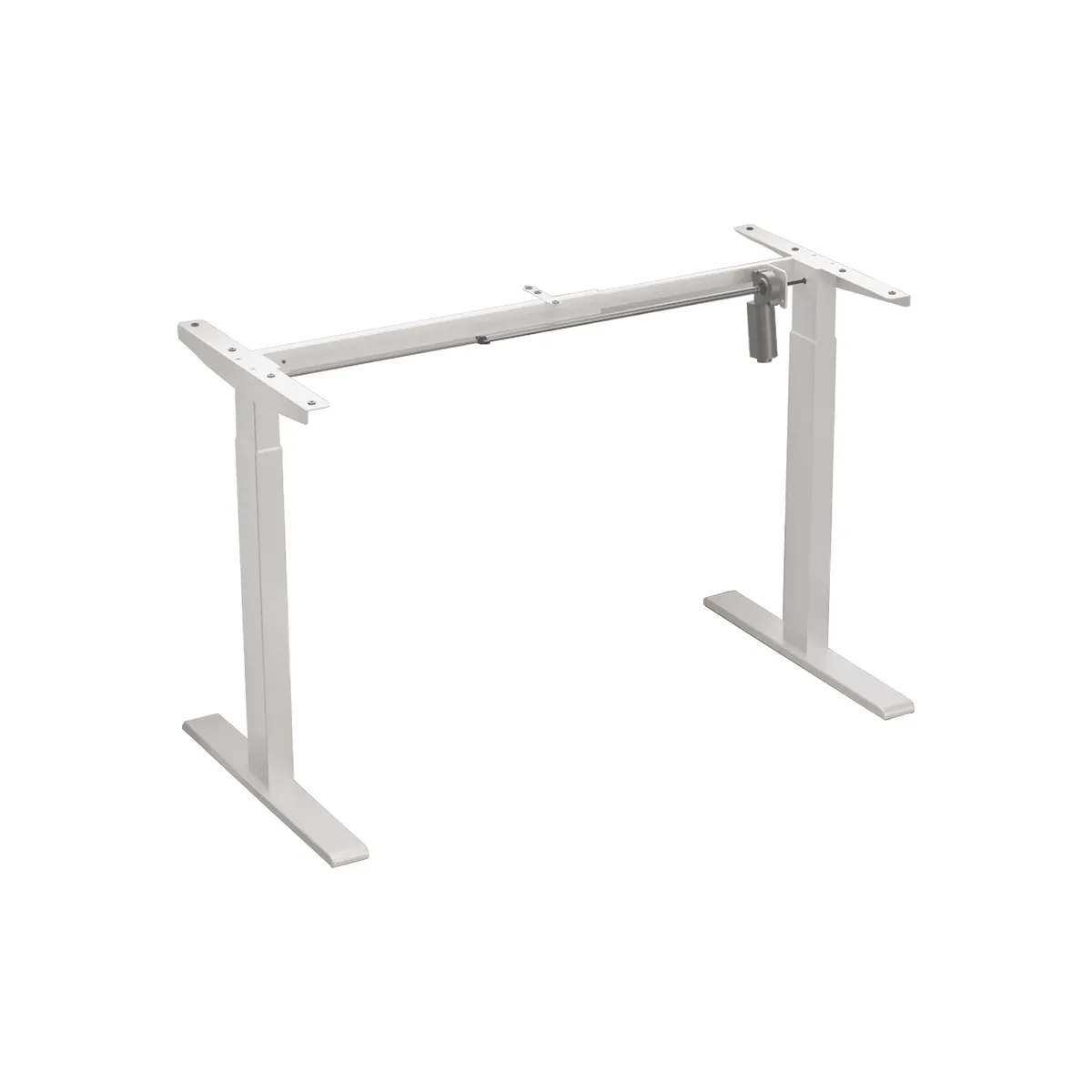
Small spaces favour narrower desktop widths and shallower depths, but basic usable area for monitor, keyboard and forearm support must be preserved. The frame's telescopic range should match the desktop size to avoid exposed legs or excessive overhang. Contact ETUP to verify specific size series.
2. Lifting range and minimum height
Minimum height affects seated fit; maximum height affects standing use. In small homes, a raised desktop may obstruct windows or wall shelves, so the relationship between lifting range and fixed interior elements should be checked before purchase. ETUP can discuss lifting system options with different ranges; confirm specific parameters with ETUP.
3. Stability and load capacity
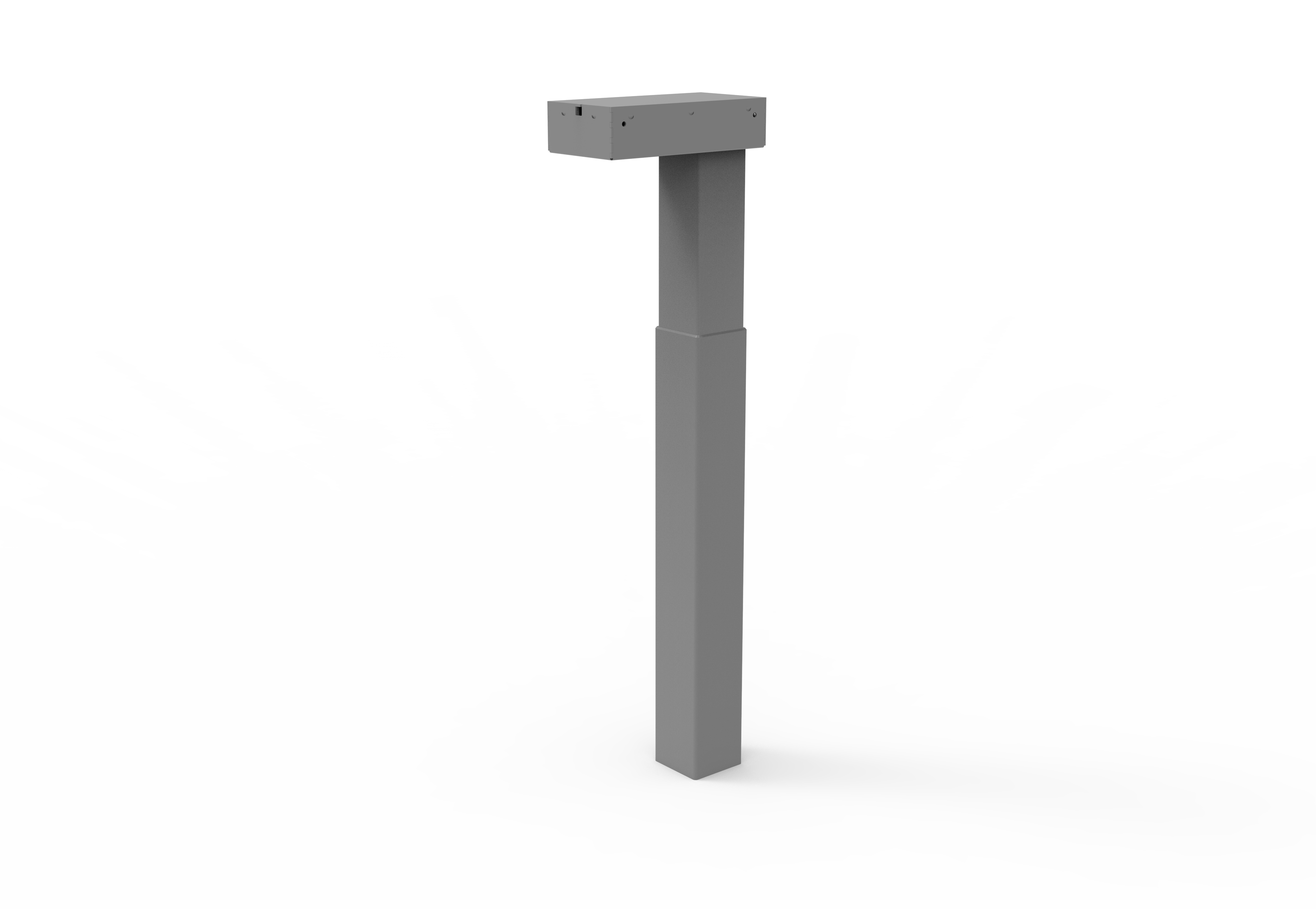
Frame structure, column stages and foot design directly affect stability. Small spaces often mean placing the desk against a wall, so wall clearance and foot spread need to be part of the design. Load capacity should be considered against the total weight of equipment in use, not marketing figures alone. Contact ETUP to verify commercial details.
4. Electrical safety and compliance
UK homes use BS 1363 plugs and 230V supply. Motors, control boxes and power adapters should meet the electrical safety requirements of the target market. B2B buyers should request applicable compliance documents and confirm plug type, cable length and standby power details. Confirm ETUP's specific certifications and document support before purchase.
5. Cable routing and storage
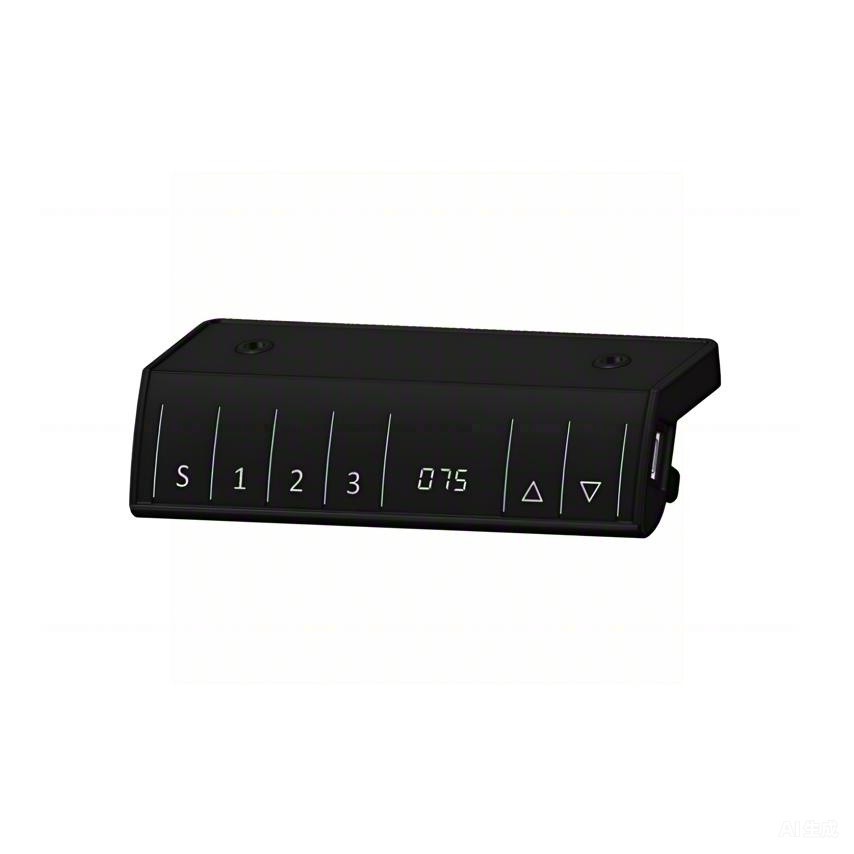
In small homes, cable management directly affects appearance and safety. Whether the frame provides cable trays and whether the control box location allows maintenance are design evaluation points. For OEM/ODM customers, integration of cable management accessories can be discussed.
6. Installation and after-sales
Home users often self-install or rely on fit-out teams. Manual clarity, parts completeness and serviceability affect return rates and brand reputation. Distributors should confirm spare parts supply and warranty terms; contact ETUP to verify specific policies.
Buyer checklist
- Confirm target desktop size matches the frame's telescopic range, and check wall clearance.
- Confirm lifting range meets seated and standing needs without conflicting with windowsills or shelves.
- Check load capacity against expected total equipment weight, with safety margin.
- Confirm electrical configuration meets UK market requirements, with plug, voltage and compliance documents.
- Assess cable management and control box maintenance access.
- Confirm installation instructions, spare parts supply and warranty terms.
- For OEM/ODM projects, define appearance, colour, branding and packaging requirements.
- Confirm all commercial details in writing with ETUP before bulk purchase.
Recommendations for B2B buyers
A small-home standing desk is not a single-product question but a combined decision across space, structure and electrical systems. Distributors and brands can cover more household scenarios through size gradations and modular frames; fit-out contractors and designers should engage at the design stage on power and furniture circulation; OEM/ODM customers can differentiate through cable management and installation experience. As a B2B supplier of electric standing desks, desk frames and lifting systems, ETUP can discuss configuration options with customers, but all performance, certification, MOQ, lead time and warranty information must be verified with ETUP before purchase.
Sources
Topic signal: e-architect, "Is a standing desk good for small UK home guide", published 2026-07-19. Link: Original link. This source is for topic reference only and does not represent ETUP product performance or certification claims.