Direct answer: what does this signal mean for B2B buyers?
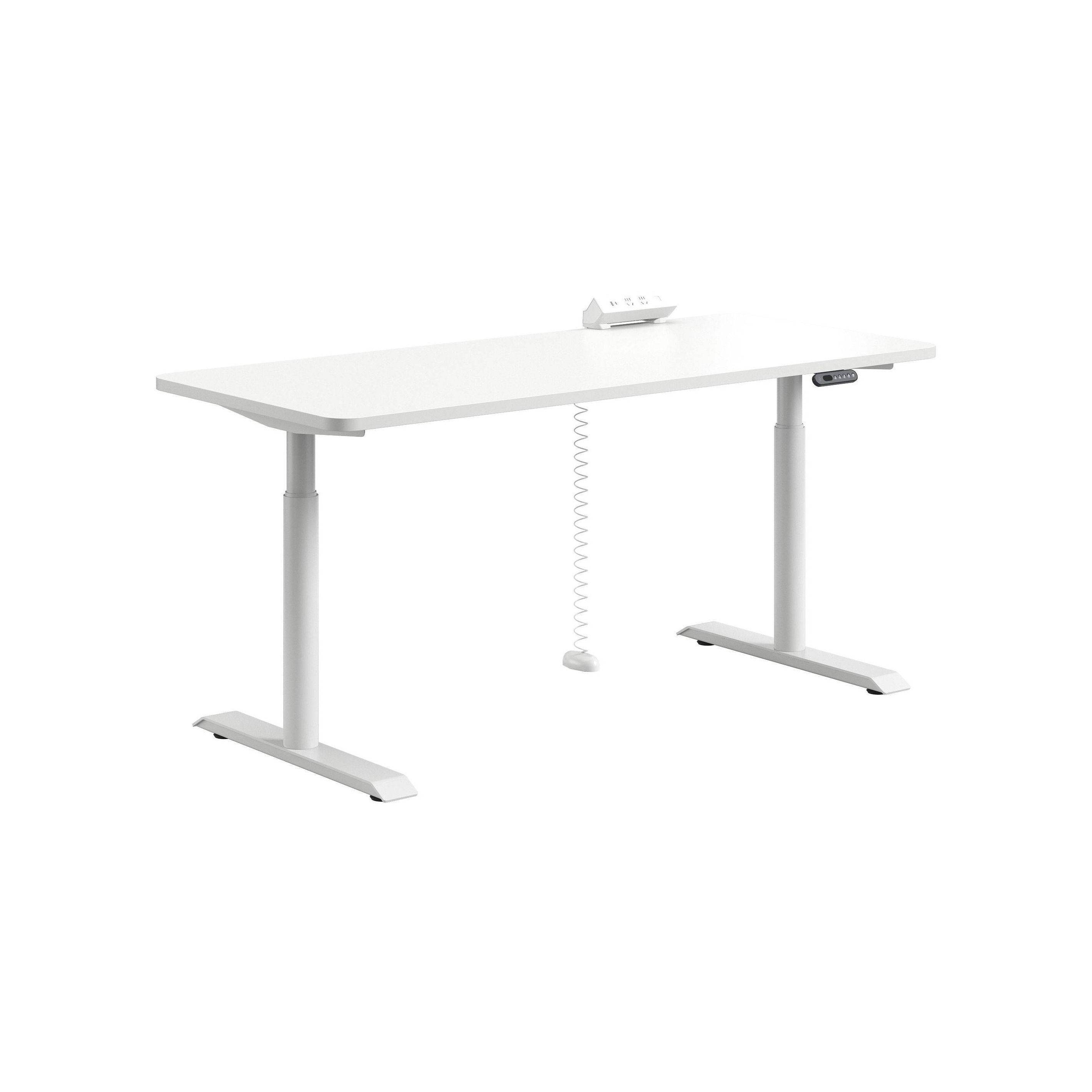
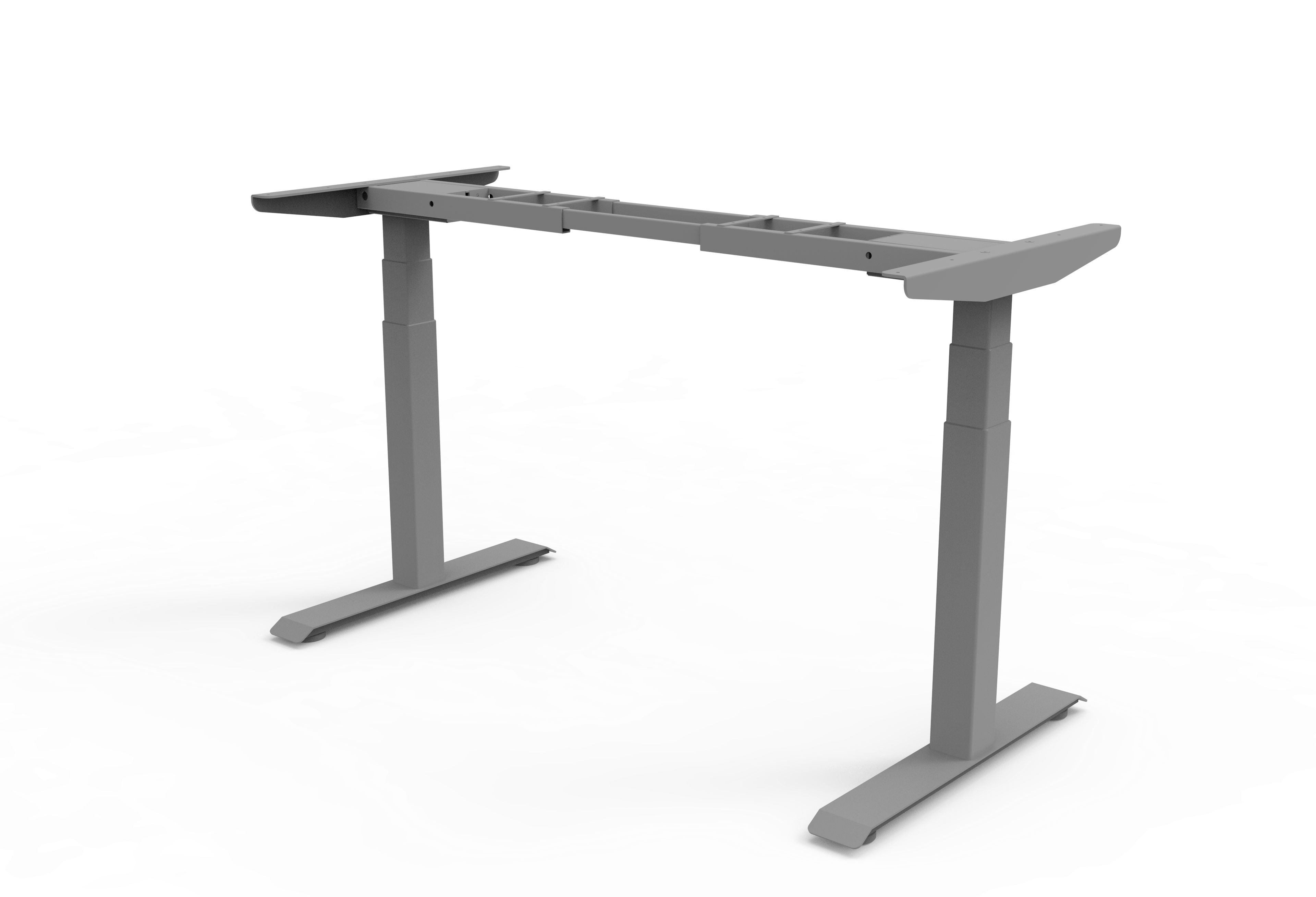
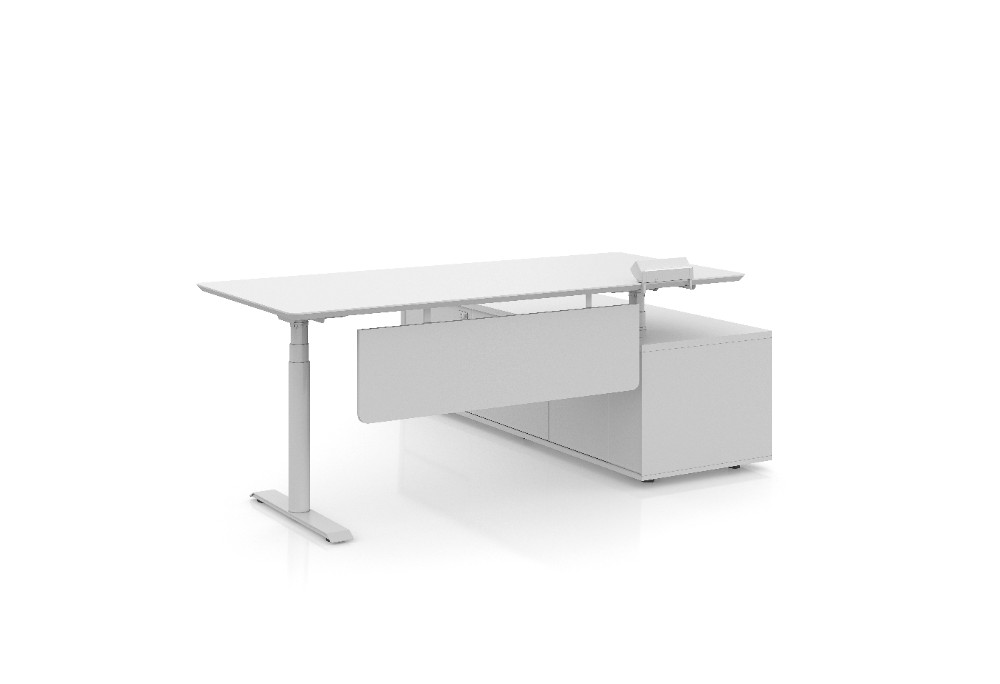
A recent media report (NCHStats, June 24, 2026) suggests that using a standing desk in an office may be associated with around 13% less back pain. For B2B buyers, this should not be read as a promise that standing desks treat back pain. It is better understood as a demand-side signal: end users and employers continue to pay attention to the health-related attributes of workstations, and electric standing desks, desk frames, and lifting systems deserve a reasonable place in project communication and product portfolios as adjustable workstation solutions.
To be clear: this source is a topic signal only and does not prove the performance of any ETUP product. This article does not reproduce the report's conclusions as product efficacy evidence. Verify all commercial details—including specifications, certifications, MOQ, lead times, warranty, and test data—with ETUP before publication or procurement.
Why the signal matters, but should not be overextended
Office furniture procurement decisions are typically driven by cost, lead time, compliance, durability, and end-user satisfaction. Health-related research coverage can raise end-user interest in adjustable workstations, but B2B buyers need to separate a media signal from verifiable product evidence.
- Signal level: The report suggests an association between standing desk use and reduced back pain, which may influence discussions around employee wellbeing, workplace experience, and office design.
- Evidence level: A single media report is not sufficient to support product performance claims; buyers should request verifiable test reports, certifications, and specification sheets.
- Procurement level: Translate the health trend into selection questions—lifting range, stability, load capacity, motor life, control options, and after-sales support—rather than quoting study figures in marketing claims.
Implications for distributors and office furniture brands
Distributors and brands often need to balance product differentiation with inventory risk. The health-oriented office trend can be a communication angle for a product portfolio, but execution still depends on verifiable specifications and stable supply capability. In catalogs and project proposals, present electric standing desks, desk frames, and lifting systems as adjustable workstation solutions, and avoid unverified health efficacy claims.
For OEM/ODM customers, the trend signal may influence requirements around appearance, control panels, memory presets, and cable management. Contact ETUP to verify available configurations, customization scope, and commercial terms.
Implications for fit-out contractors and enterprise buyers
In office fit-out projects, contractors often coordinate workstation layout, power routing, furniture installation, and ongoing maintenance. If adjustable workstations are included, confirm floor loading, cable paths, installation conditions, and maintenance response early. Enterprise buyers tend to focus on total cost of ownership, employee acceptance, and supplier delivery reliability.
Raise the question of whether to include adjustable workstations early in the design phase rather than adding it late in procurement. This helps control budget and lead-time risk.
Implications for designers
Designers can treat adjustable workstations as part of spatial flexibility, but should avoid writing media study figures directly into design notes or client proposals. A more reliable approach is to reference supplier specification sheets, installation guides, and compliance documents, and to request technical clarification from the supplier when needed.
Practical buyer checklist
The checklist below helps buyers turn the trend signal into actionable procurement questions. For any commercial detail, contact ETUP to verify before including it in contracts or proposals.
- Use case: Confirm whether the workstation is assigned, shared, or home-office, and the expected frequency of use.
- Lifting range and stability: Check height range, load capacity, and stability test information; contact ETUP to verify specific parameters.
- Motor and control system: Confirm motor type, control method, memory presets, and anti-collision options; contact ETUP to verify available configurations.
- Compliance and certification: Request certifications and test documents applicable to the target market; do not assume certification scope—contact ETUP to verify.
- MOQ and lead time: Confirm minimum order quantity, sample lead time, and bulk lead time; contact ETUP to verify specific figures.
- Warranty and after-sales: Confirm warranty terms, spare parts availability, and after-sales response; contact ETUP to verify specific terms.
- Packaging and installation: Confirm packaging method, installation instructions, and installation support scope; contact ETUP to verify specific arrangements.
- Marketing compliance: Avoid citing unverified health efficacy figures in catalogs and proposals; use verifiable specification descriptions instead.
Frequently asked questions
Does this study prove that ETUP standing desks reduce back pain?
No. The source is a topic signal only and does not prove the performance of any ETUP product. Buyers should base procurement decisions on supplier specifications, test reports, and certification documents.
Should B2B buyers put the 13% figure into marketing materials?
It is not recommended. Media-reported figures should not be used directly as product efficacy claims. A more reliable approach is to describe the functions and use cases of adjustable workstations and ensure all claims are verifiable.
How should buyers start evaluating ETUP electric standing desks and lifting systems?
Start by defining the use case, target market, and budget range, then contact ETUP for specification sheets, certification information, and commercial terms. Verify all details with ETUP.
Sources
Topic signal: NCHStats, "A Standing Desk In Your Office Can Reduce Back Pain By Around 13%, Study Suggests," June 24, 2026. Original link. This source is used only to explain the topic background and does not constitute proof of ETUP product performance.
This is a draft for human review only and should not be treated as published content. Verify all commercial details with ETUP.