Direct Answer: Do Standing Desks Really Relieve Back Pain?
Short answer: Standing desks may help reduce back discomfort associated with prolonged sitting, but they are not a cure-all for back pain. Results depend on usage patterns, individual factors, and the ergonomic design of the desk. For B2B buyers, the key is not to promise a “cure” but to offer products that support sit-stand alternation, height adjustability, stability, and durability—helping end users reduce uninterrupted sitting time.
This article uses a Telegraph review as a topic signal to analyze the potential benefits, limitations, and selection criteria of standing desks from a B2B procurement perspective. We do not claim that this source proves the performance of any specific product. Please contact ETUP to verify all commercial details.
Topic Signal: What Does the Media Review Focus On?
The Telegraph article, titled “The best standing desks for working at home, tried and tested – do they really relieve back pain?”, was published on February 4, 2026. It is a consumer-oriented product review aimed at home office users. For B2B audiences, its value lies in reflecting end-user expectations that standing desks can relieve back pain, and the media's skeptical stance on actual effectiveness.
As a topic signal, it reminds us that buyer education should be evidence-based, not exaggerated. B2B suppliers should help customers understand reasonable expectations and provide ergonomically sound product solutions.
Standing Desks and Back Pain: Evidence and Reasonable Expectations
Existing research on standing desks for back pain relief shows mixed conclusions. Some studies suggest that sit-stand alternation can reduce lower back pain and discomfort, especially for people who sit for long periods. However, other studies indicate that using a standing desk alone, without changing overall work habits, has limited effect. Additionally, prolonged standing can cause leg fatigue and discomfort.
Therefore, a reasonable positioning is: a standing desk is a tool that can help users alternate between sitting and standing, potentially reducing back stress associated with prolonged sitting. It should not be marketed as a medical device or a treatment for back pain. B2B buyers should focus on ergonomic design, height adjustment range, stability, and durability—not therapeutic claims.
B2B Procurement Perspective: Why Do End Users Care About Back Pain?
End-user concern about back pain directly influences B2B purchasing decisions. Enterprise buyers want to reduce absenteeism and productivity loss from musculoskeletal issues; distributors and office furniture brands need to meet client demand for healthy office solutions; fit-out contractors and designers need to integrate ergonomic furniture into projects.
For ETUP's customers, this means demand for electric standing desks, desk frames, and lifting systems may continue to grow. But success lies in providing reliable, safe, and easy-to-integrate products—not just chasing trends.
Selection Guide: Key Considerations for Electric Standing Desks
1. Height Adjustment Range and Speed
Ensure the desk height range suits the target user group. For example, height differences between European and North American users may require a wider range. Adjustment speed affects user experience but must be balanced with motor life and noise levels. Contact ETUP to verify specific parameters.
2. Stability and Load Capacity
Stability is key to user satisfaction, especially at standing height. Frame structure, column design, and motor quality all affect stability. Load capacity must accommodate multiple monitors, laptops, and other office equipment. ETUP offers desk frames and lifting systems with different load ratings; please contact ETUP to confirm specifications.
3. Motors and Control Systems
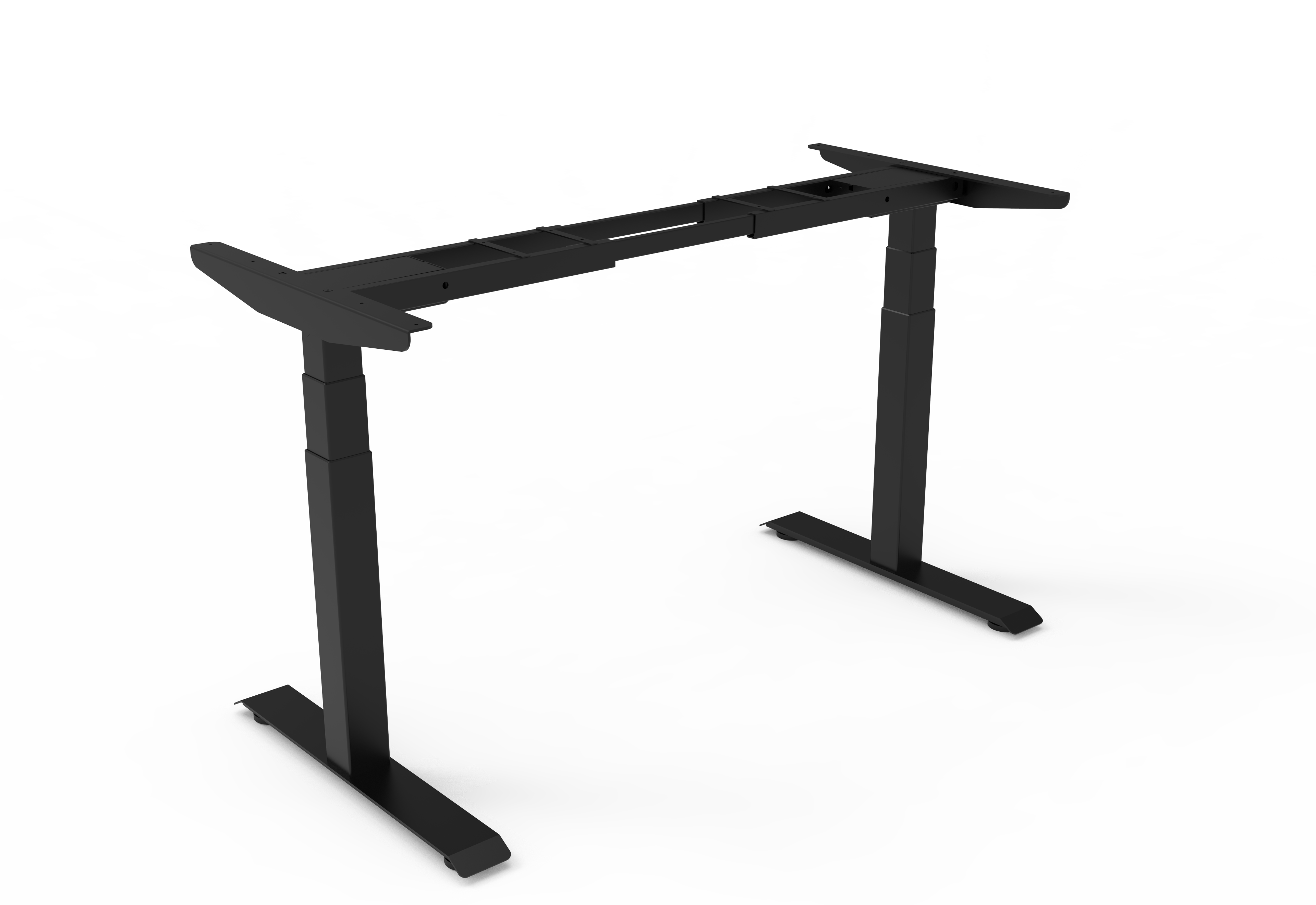
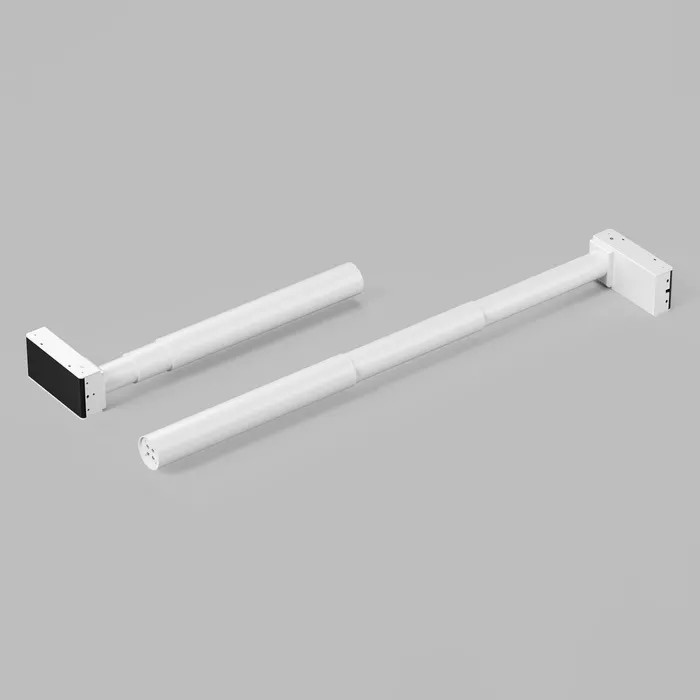
The electric lifting system is the core component. Dual-motor, triple-motor, or single-motor configurations affect speed, stability, and lifespan. Control panels should offer height memory and anti-collision features. For OEM/ODM customers, ETUP can provide customized control solutions, but minimum order quantities and lead times must be confirmed.
4. Compliance and Certifications
Different markets have different safety, electrical, and environmental requirements for office furniture. For example, Europe may require CE marking, while North America may require UL or ETL certification. ETUP can provide relevant certification information, but buyers should verify specific requirements for their target market. Please contact ETUP to verify product certification status.
5. Installation and Maintenance
For distributors and contractors, ease of installation and maintenance costs are critical. Modular design, clear installation instructions, and replaceable parts can reduce total cost of ownership. ETUP offers a range of desk frames and lifting systems adaptable to different installation scenarios.
Practical Buyer Checklist
- Define target market: Determine required certifications and standards (e.g., CE, UL, RoHS).
- Define user needs: Collect end-user height ranges, equipment weights, and usage frequency.
- Assess supplier capabilities: Confirm whether the supplier offers OEM/ODM services, MOQ, lead times, and warranty policies. Contact ETUP to verify.
- Request sample testing: Test stability, noise, adjustment speed, and control systems in practice.
- Check electrical safety: Ensure motors and control systems comply with target market electrical standards.
- Consider total cost of ownership: Include purchase price, installation costs, maintenance, and replacement parts.
- Review warranty and after-sales: Clarify warranty period, coverage, and support. Contact ETUP to confirm specific terms.
- Avoid medical claims: Avoid stating that products treat or prevent back pain in marketing materials to comply with advertising regulations.
FAQ
Can a standing desk replace medical advice?
No. A standing desk is office furniture, not a medical device. If you have back pain, consult a medical professional.
What types of standing desk products does ETUP offer?
ETUP supplies B2B electric standing desks, desk frames, and lifting systems. Please contact ETUP to verify specific product lines, specifications, and customization options.
How do I choose the right certifications for my market?
Certification requirements vary by market. Consult local regulatory experts and confirm existing certification documents with ETUP.
Conclusion
Standing desks may help alleviate back discomfort associated with prolonged sitting, but results vary, and they should not be marketed as a treatment. For B2B buyers, success lies in choosing reliable, ergonomic products that meet target market requirements. As a supplier of B2B electric standing desks, desk frames, and lifting systems, ETUP supports distributors, brands, contractors, and OEM/ODM customers. Please contact ETUP to verify all commercial details, including certifications, MOQ, lead times, and warranty.
Sources
Topic signal: The Telegraph, “The best standing desks for working at home, tried and tested – do they really relieve back pain?”, 2026-02-04. Original link
This is a draft for human review and must not be treated as published content.