Direct answer: stylish office furniture does exist—the key is a repeatable procurement standard
A recent Architectural Digest article, “Actually Stylish Office Furniture Does Exist—Here’s Where to Find it,” puts design-led office furniture back in the spotlight. For B2B buyers, the value of this signal is not the specific brands it mentions, but the reminder that end users increasingly expect office spaces to look considered. Standing desks are no longer just functional equipment; they are part of the interior design language.
So how can distributors, office furniture brands, fit-out contractors, and enterprise buyers source electric standing desks that balance style with performance? The answer is not chasing a single trendy model, but building a reusable procurement standard: examine the frame structure, the lifting system, surface finishing, and customization capability—then validate with samples and small batch orders rather than ordering from photos alone. ETUP supplies B2B electric standing desks, desk frames, and lifting systems and can help customers review configurations against project requirements. Contact ETUP to verify all commercial details before making decisions.
Why “design” is becoming a hard B2B procurement criterion
Historically, office furniture procurement was led by IT, administration, and facilities teams, with price and durability at the top of the list. Today, designers, brand owners, and end-user companies increasingly participate in decisions, and the office is treated as part of employer branding and customer experience. Continued attention from design media such as Architectural Digest suggests that “looking good” is no longer a bonus—it is a threshold for entering a shortlist.
For the supply chain, this means three things:
- Appearance and structure matter equally. Frame lines, column profiles, footpad shapes, colors, and surface textures all shape the visual language of the finished desk.
- Customization demand is rising. Brands want desktop dimensions, colors, and control panel positions to align with their own product lines, making OEM/ODM capability a key screening criterion.
- Delivery reliability is non-negotiable. No matter how strong the design, if lead times, packaging, and after-sales support fall short, contractors and distributors still carry the risk.
Four procurement dimensions for design-led standing desks
1. Frame structure and visual proportion
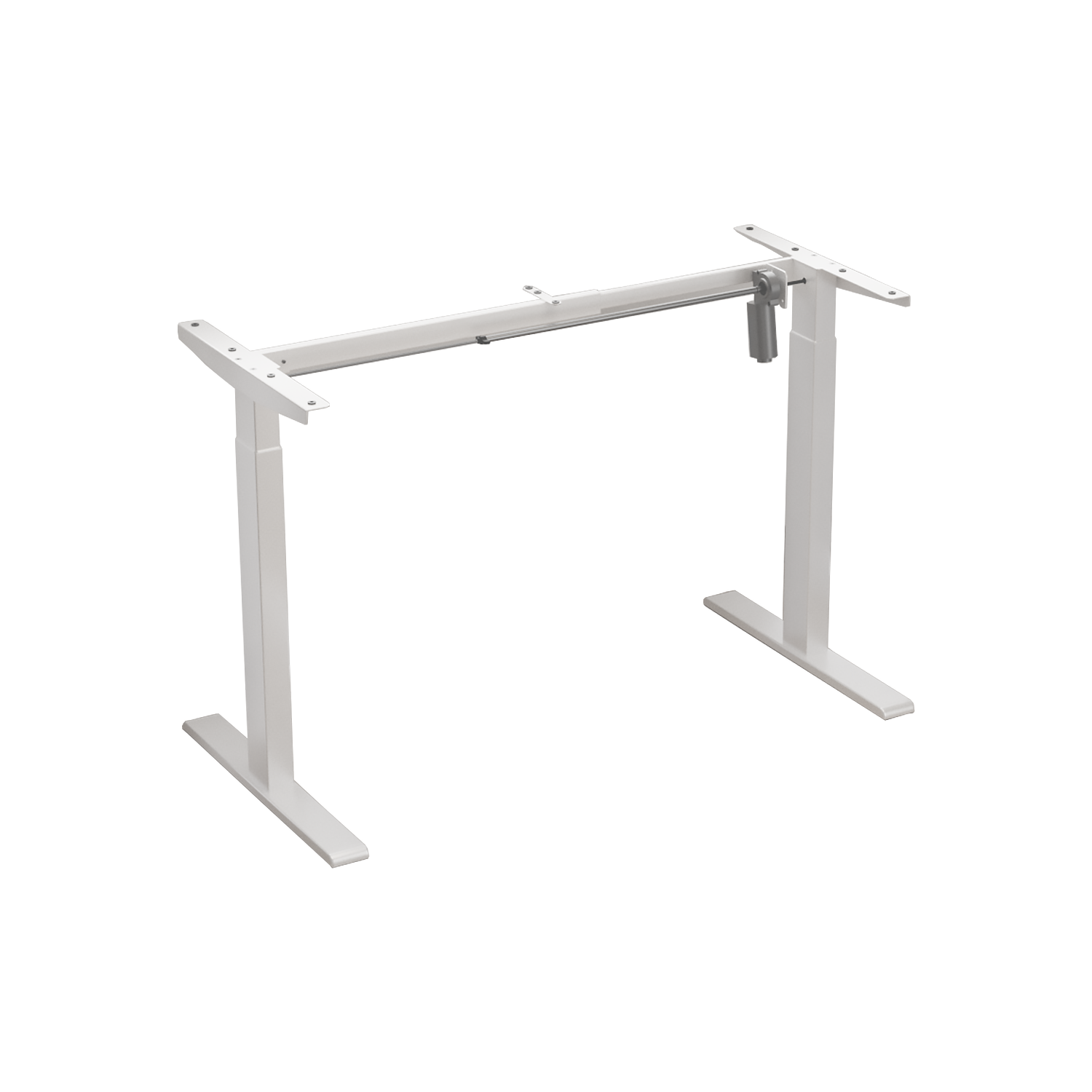
The frame is the skeleton of a standing desk and a primary source of its design character. Buyers should look at column shape (square, round, oval, etc.), how the crossbeam connects to the columns, the thickness and chamfer of the footpads, and whether the overall proportions match the intended desktop size. Different structures affect stability and appearance differently; ask ETUP for model-specific structure descriptions and compatibility ranges.
2. Lifting system and controls
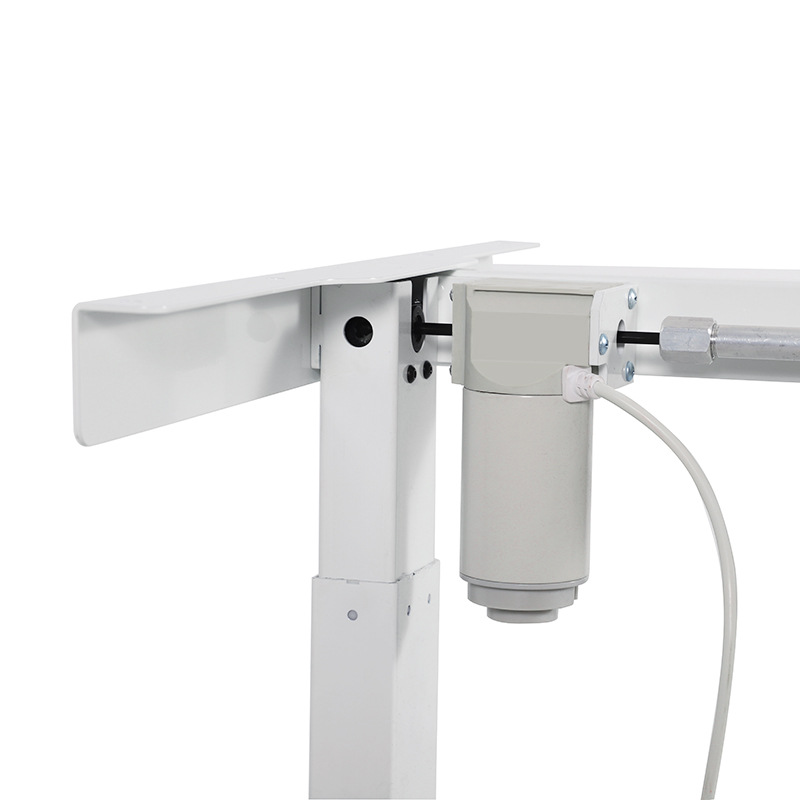
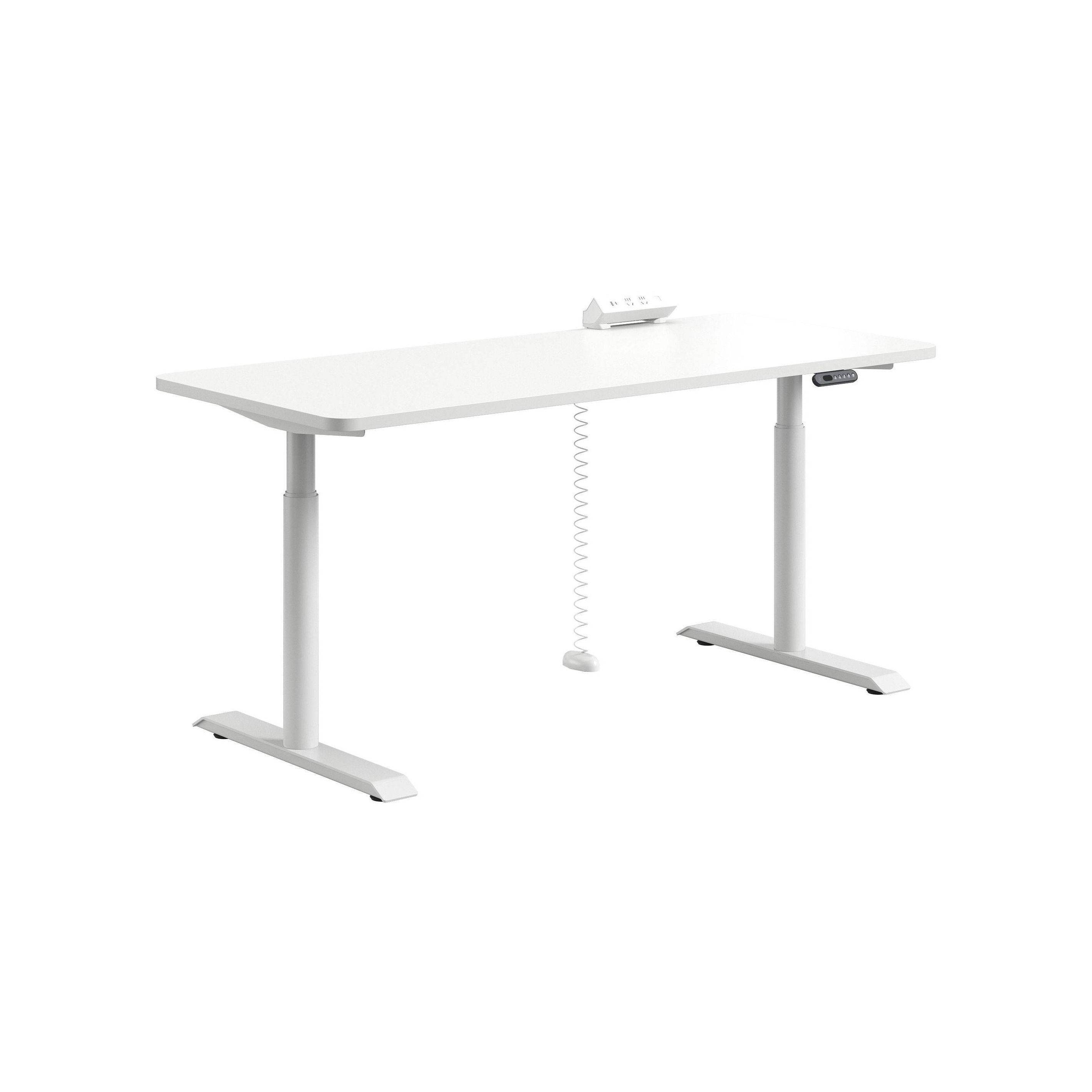
Noise, speed, height memory, and anti-collision features directly affect user experience. Design-oriented projects often also require clean control panels, hidden cable management, and coordination with desktop materials. Buyers should confirm whether the control system supports the voltage and plug standards required by the target market and whether multiple control panel options are available. Contact ETUP to verify specific parameters.
3. Surface finishing and color consistency
Office color schemes are usually set by the design team. Color consistency in powder coating for frames and batch consistency in desktop finishes both affect the final result. For volume projects, confirm color samples during prototyping and agree on an acceptable color tolerance range in the contract.
4. Customization and OEM/ODM collaboration
Brands and distributors often need to integrate standing desks into their own catalogs, involving customization of dimensions, colors, logos, packaging, and manuals. Before purchasing, clarify minimum order quantities, sampling lead times, tooling ownership, and intellectual property arrangements. These commercial terms vary by project; confirm them directly with ETUP.
What different buyer types should focus on
- Distributors: product line completeness, packaging and logistics fit, spare parts availability, and whether private-label sales are supported.
- Office furniture brands: depth of OEM/ODM customization, design language consistency, and communication mechanisms for lead times and capacity.
- Fit-out contractors: stability of volume deliveries, clarity of installation instructions, and alignment with project schedules.
- Enterprise buyers: employee experience, maintenance convenience, supplier responsiveness, and compliance documentation.
- Designers: samples, color boards, dimension drawings, and detail finishing to present a complete solution to clients.
Practical buyer checklist
Before requesting quotes or samples, confirm each of the following:
- Whether the target desktop size matches the frame’s compatibility range;
- Whether lifting range, load capacity, and noise levels meet project requirements (subject to written supplier confirmation);
- Control panel styles, number of height memory presets, and anti-collision approach;
- Frame colors, surface finishing, and the color sample approval process;
- Cable management approach and desktop cutout positions;
- Voltage, plug type, and compliance documents for the target market;
- Minimum order quantity, sampling lead time, volume lead time, and packaging method;
- OEM/ODM customization items (logo, packaging, manuals, tooling ownership);
- Warranty terms and spare parts supply arrangements;
- Sample testing and acceptance criteria.
All items above must be verified with ETUP; this article does not constitute a commitment regarding the performance of any specific product.
Turning a design signal into procurement action
The Architectural Digest article is a topic signal, not a product review. It suggests that the aesthetic upgrade of office furniture is underway and that the supply chain needs to respond with more flexible design and customization capabilities. For B2B buyers, the safest approach is to break “design” down into verifiable indicators—structure, color, controls, and customization—and validate them through samples and small batch orders rather than being swayed by a single trend or image.
ETUP focuses on B2B electric standing desks, desk frames, and lifting systems and can discuss project requirements with distributors, brands, and contractors. Contact ETUP to confirm configurations, certifications, MOQs, and lead times before making procurement decisions.
Sources
Topic signal: Architectural Digest, “Actually Stylish Office Furniture Does Exist—Here’s Where to Find it,” published October 8, 2026. Original link. This article uses the report only as a topic signal and does not cite it as evidence of ETUP product performance.