Direct answer: what does this news signal mean for B2B procurement?
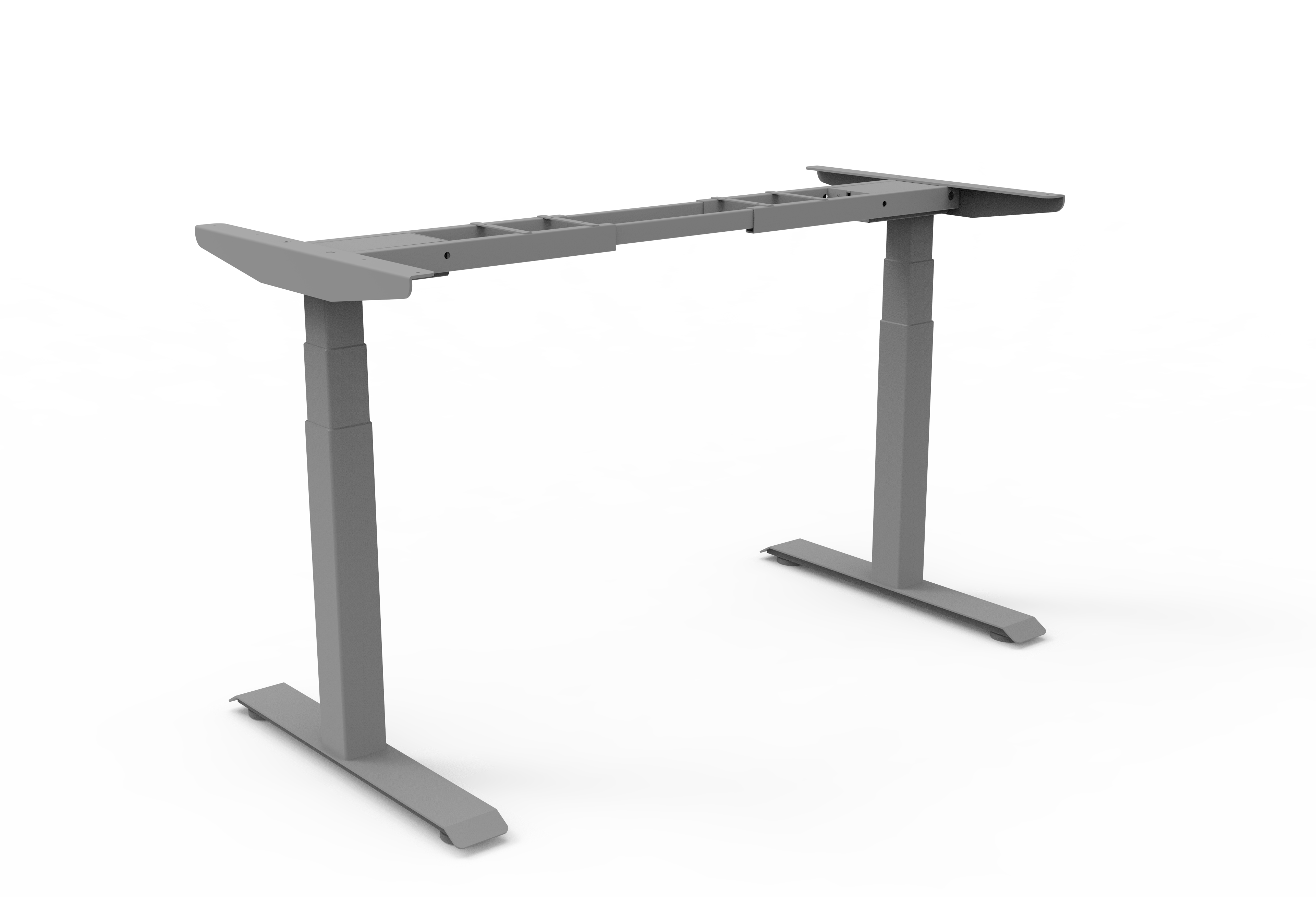
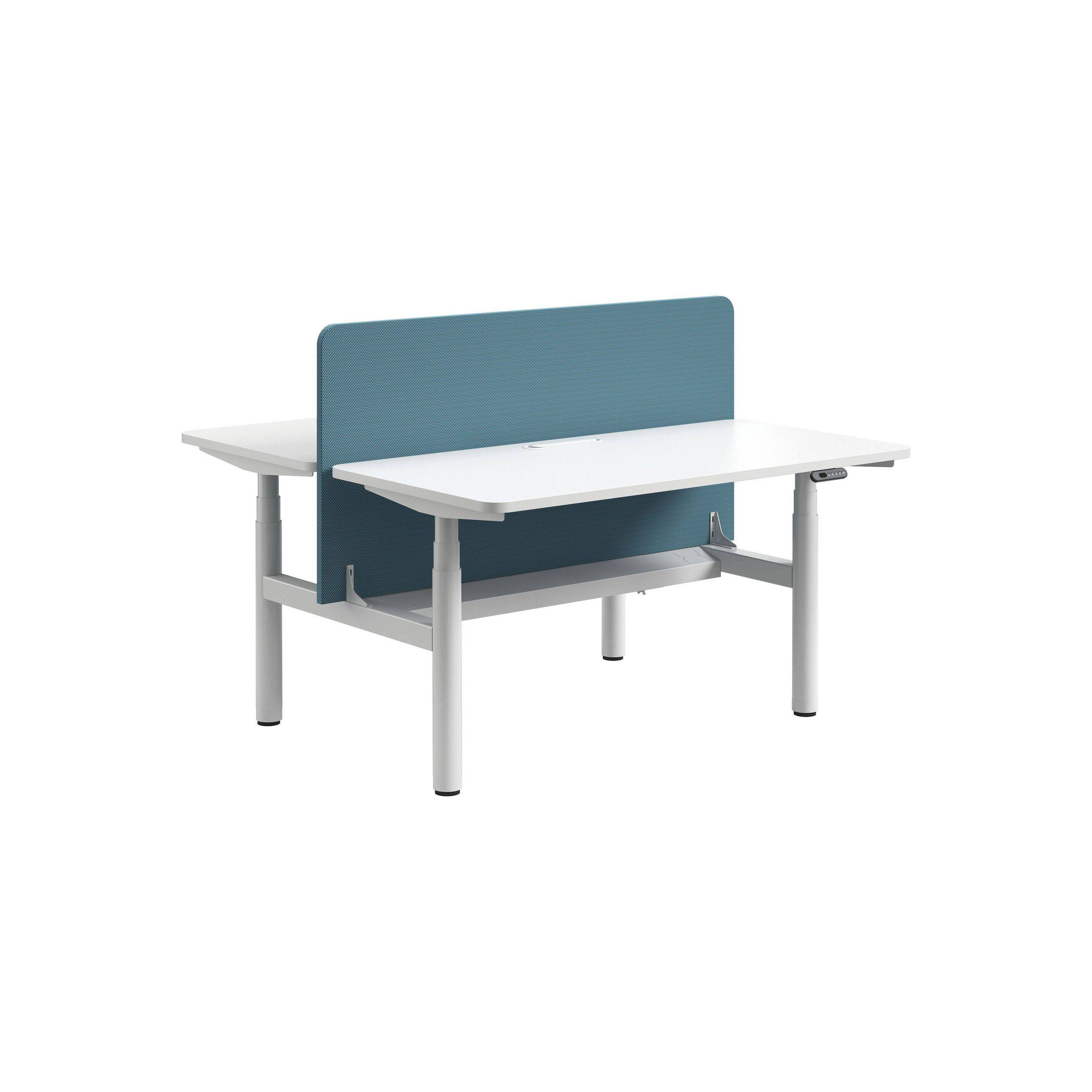
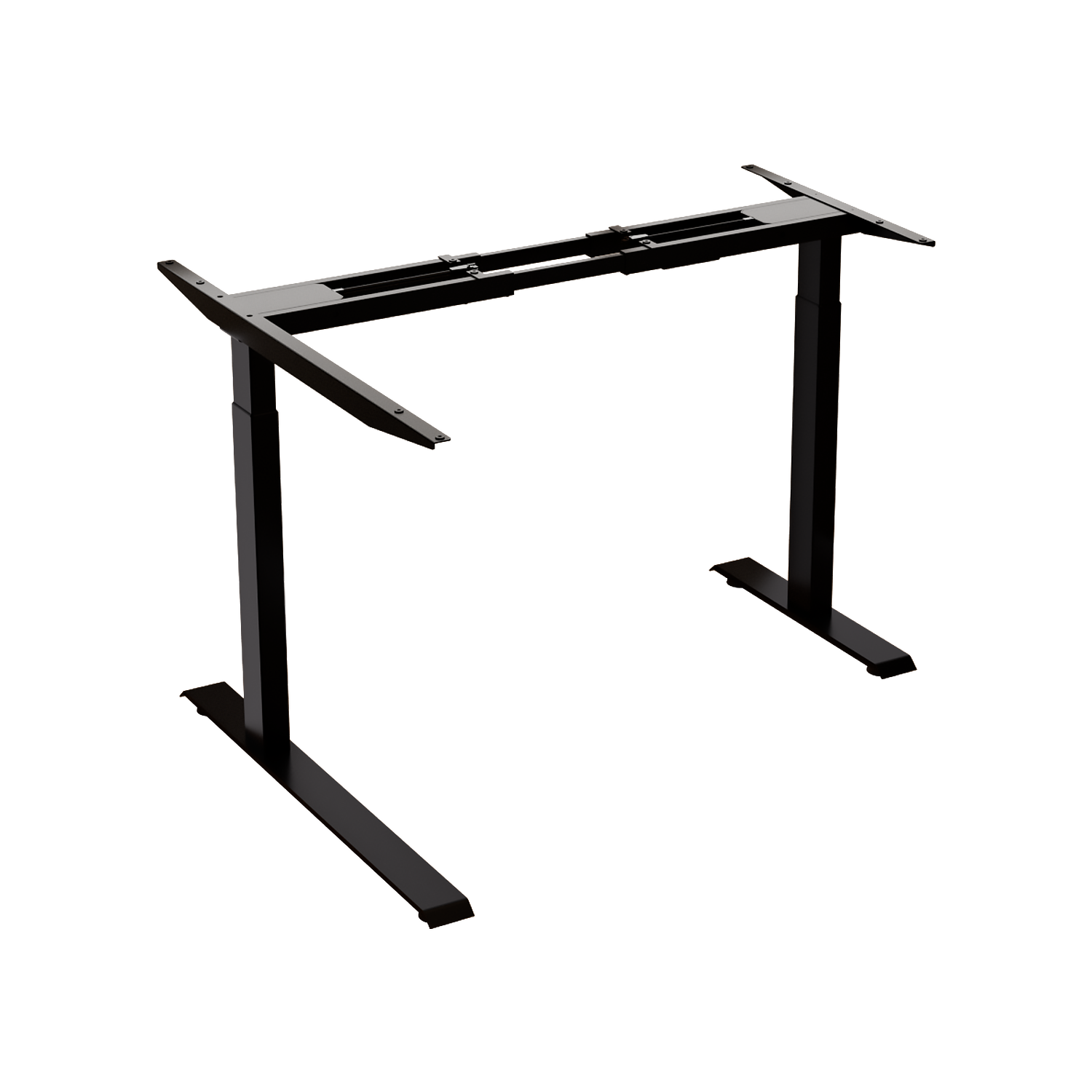
TechRadar's test is aimed at end consumers, but it carries a signal that matters to B2B channels: electric standing desks have moved from a novelty category into mainstream office specification. For distributors, office furniture brands, fit-out contractors, enterprise buyers, and OEM/ODM customers, the real question is not "which 6 desks are worth buying" but "how do we choose electric standing desks, desk frames, and lifting systems that can be supplied reliably across markets, channels, and price tiers." As a B2B supplier of electric standing desks, desk frames, and lifting systems, ETUP recommends treating review coverage as demand-side signal, not as proof of product performance. Every commercial detail — including certifications, MOQ, lead times, capacity, and warranty — should be verified with ETUP before use.
Why review buzz travels into B2B orders
Consumer reviews typically trigger three B2B chain reactions:
- More channel inquiries: Category awareness rises, and distributors and retailers start requesting quotes with comparable specs and reliable lead times.
- Faster product-line planning: Office furniture brands assess whether to add electric standing desks to their own ranges or seek OEM/ODM partners.
- Project specification upgrades: Enterprise buyers and fit-out contractors begin writing height-adjustable workstations into tender specifications.
All three point to the same procurement task: translate "what consumers like" into "what channels can sell and projects can sign off."
Four ways B2B procurement differs from consumer reviews
1. Reviews judge one unit; procurement judges batch consistency
Consumer reviews focus on the feel, noise, and stability of a single sample. B2B buyers must focus on batch consistency: across orders of the same model, are lifting speed, control box response, and frame tolerances stable? Ask for clarity on sample-to-mass-production consistency and verify the relevant controls with ETUP.
2. Reviews look at retail price; procurement looks at total cost of ownership
Retail reviews rarely cover installation, after-sales, or spare parts. For distributors and contractors, total cost of ownership includes installation complexity, spare-part supply for control boxes and hand controllers, and after-sales response. Confirm these details with ETUP rather than assuming.
3. Reviews look at appearance; procurement looks at compliance and market access
Electrical products and office furniture face different compliance requirements across markets. Rules, certification expectations, and documentation needs vary across Europe, North America, the Middle East, and Southeast Asia. ETUP makes no specific certification claims in this article; verify target-market compliance documents with ETUP item by item.
4. Reviews look at today; procurement looks at supply continuity
Channels fear stockouts. Buyers should examine capacity planning, key component sourcing, and lead-time commitments. Contact ETUP to verify specific capacity, MOQ, and lead times.
Channel-by-channel: what different buyers should watch
Distributors and retailers
- SKU breadth and price-tier coverage without clashing with existing lines.
- Packaging and logistics fit: volume, weight, damage-rate control.
- Spare-parts and after-sales support policy to reduce return pressure.
Office furniture brands and OEM/ODM customers
- Customization depth for frames and lifting systems: dimensions, colors, control options, branding.
- Sampling timelines and the handoff to mass production, plus engineering change management.
- Clear boundaries on IP and exclusivity terms in contracts.
Fit-out contractors and project buyers
- Batch delivery rhythm and on-site installation approach.
- Compatibility with workstation systems and power routing.
- Acceptance criteria and warranty terms, confirmed in writing in advance.
Designers and specifiers
- Balance between height range, desktop size, and control panel placement.
- Cable management and accessory ecosystem to avoid rework.
- Sample approval process that ensures design intent can be mass-produced.
Practical buyer checklist: 10 questions to ask a supplier
- Which compliance documents are required for the target market? Can you provide a list? (Verify with ETUP)
- What are the standard and optional configurations for electric standing desks, frames, and lifting systems?
- What are the sampling and mass-production lead times? (Verify with ETUP)
- How are MOQ and price tiers structured? (Verify with ETUP)
- What is the spare-part supply policy for control boxes, hand controllers, and motors?
- How are warranty scope and duration defined? (Verify with ETUP)
- Is OEM/ODM customization supported? What are the customization boundaries and sampling costs?
- Does the packaging suit the target market's logistics and warehousing conditions?
- How is batch consistency controlled? Can you provide documentation?
- What is the after-sales response process and how are responsibilities divided?
Common pitfalls
- Treating review rankings as procurement evidence: Reviews are demand signals, not proof of supplier capability.
- Comparing unit price only: Ignoring installation, spare parts, and after-sales can raise total cost.
- Skipping sample approval: Sample-to-production gaps are a frequent source of channel complaints.
- Assuming certifications are universal: Requirements differ by market and must be verified item by item.
Next step
If you are evaluating supply options for electric standing desks, desk frames, or lifting systems, start by defining your target market, channel type, and project scale, then request verifiable product information and commercial terms from ETUP. All commercial details in this article must be confirmed with ETUP before external use.
Sources
Topic signal: TechRadar, “My team tested over 75 standing desks — these 6 are actually worth buying.” Link. Used as a topic signal only; it does not prove ETUP product performance.
Note: This draft is for human review and must not be published automatically.