Direct answer
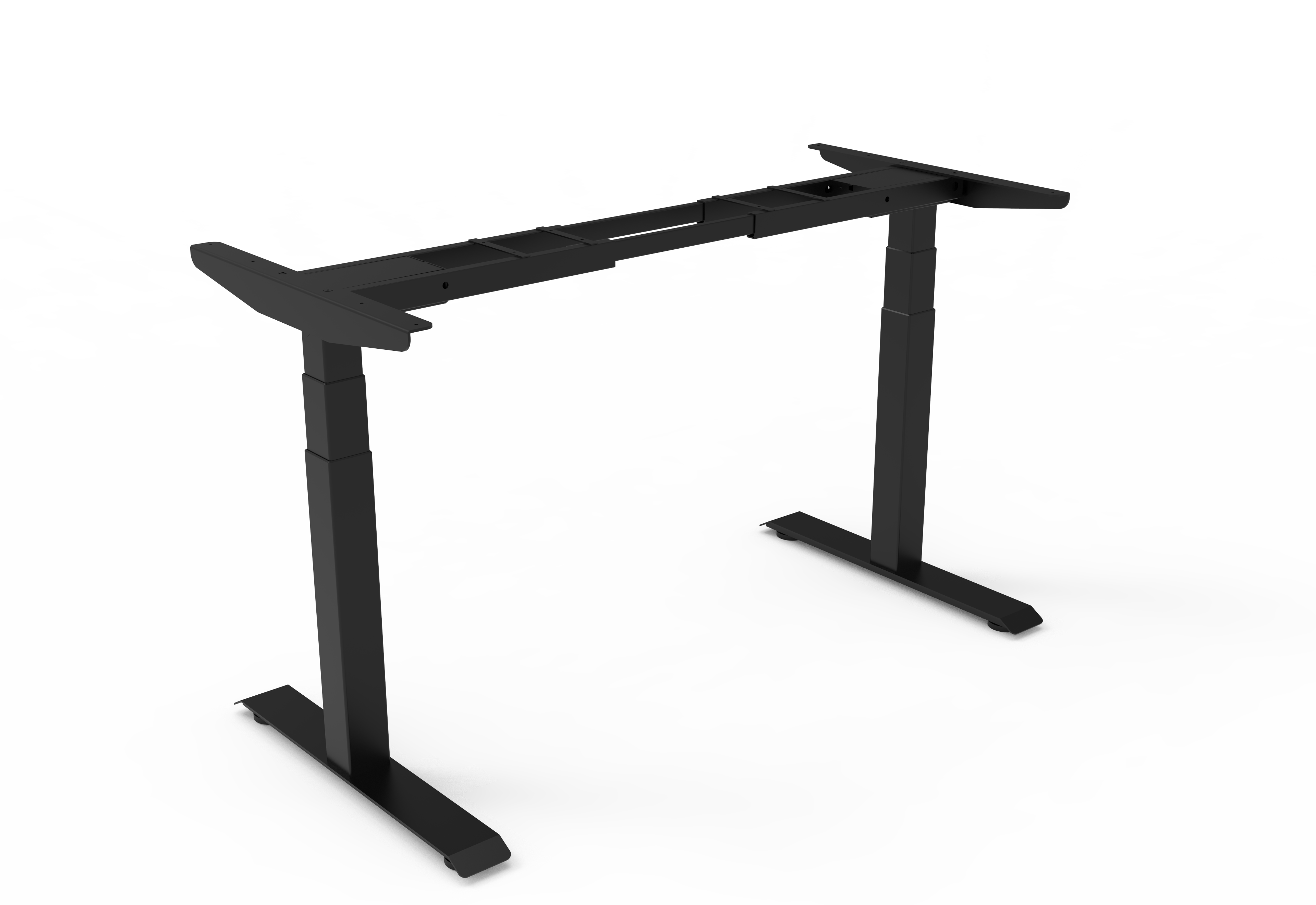
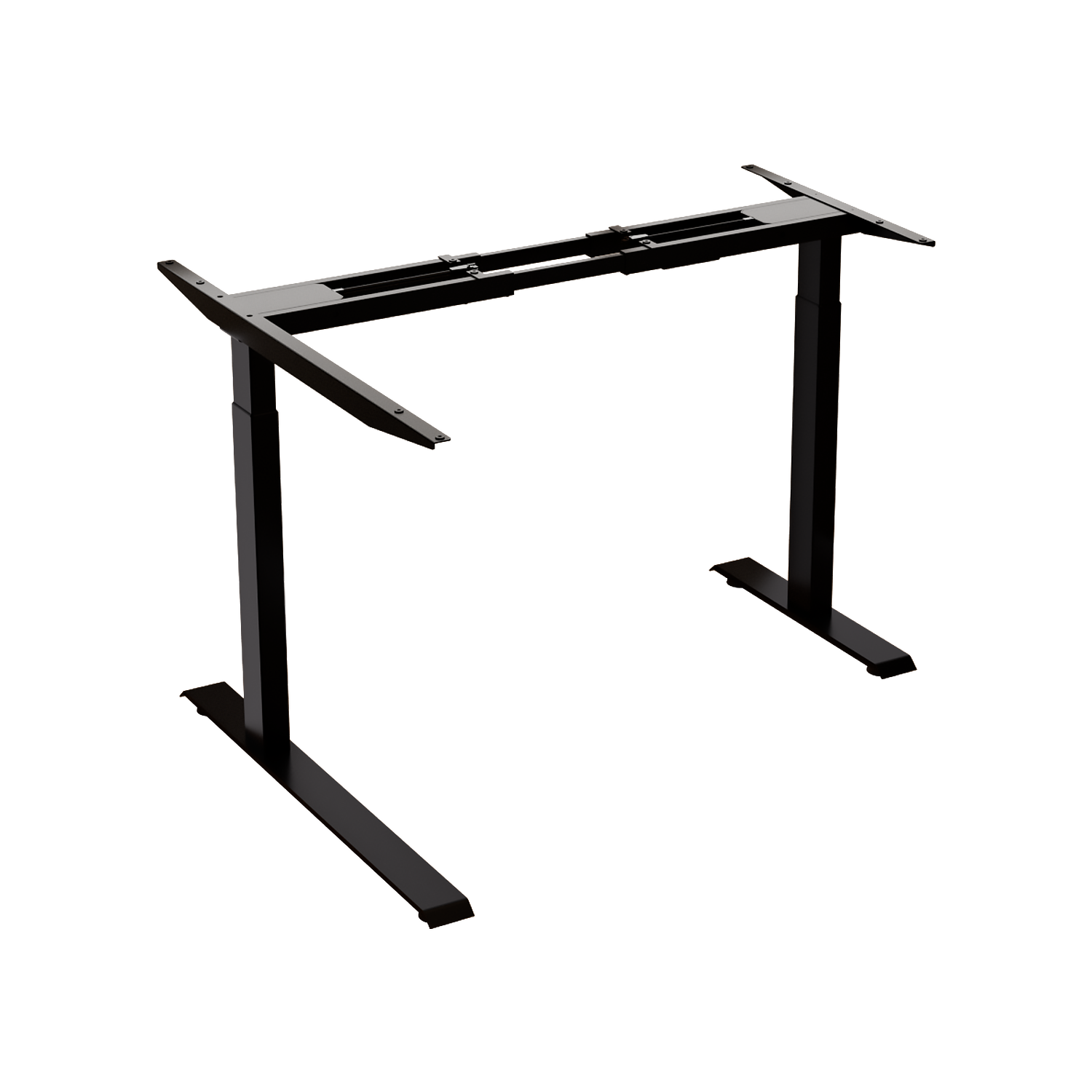
If the claim that workplace culture is failing — and that Gen Z may hold the key to fixing it — holds up, the practical implication for the B2B office furniture supply chain is not a change of style but a change in configuration logic: workspaces need to be more flexible, more adjustable, and more controllable by the people using them. Electric standing desks and lifting systems are the most basic hardware layer of that adjustability. To be clear, the Work Design episode is used here only as a topic signal. It does not prove the performance of any specific product, and all commercial details for ETUP — specifications, certifications, MOQ, lead times, warranty — must be confirmed with ETUP before publication.
Why this topic matters to B2B buyers
The Work Design episode features Bob Fox in conversation with Amanda Schneider, exploring why workplace culture is failing and how Gen Z may help fix it (see Sources). For buyers, the useful signal is not a generational label but three procurement realities:
- Employee control over the work environment is becoming a specification issue. When people can adjust sit-stand height, desktop position and posture themselves, space shifts from uniform issue to adjustable fit — which changes how standing desks, desk frames and lifting systems are sourced.
- Fit-out contractors and furniture brands need to align earlier. Adjustable workstations involve power points, cable routing, desktop load and frame installation. If these are not coordinated during fit-out, later changes become more expensive.
- Distributors need clearer SKU and accessory logic. When end customers ask for different configurations for different roles in the same space, the ability to cover multiple desktop sizes and accessory combinations from one frame platform directly affects inventory complexity.
These are analytical inferences, not conclusions of the episode, and they do not represent any market data verified by ETUP.
From failing culture to failing configuration: three practical judgments
1. Treat adjustability as a space metric, not a single-product selling point
If employees are expected to manage how they work, then adjustment range, adjustment method (electric or manual), control panel placement and memory functions become part of whether a space works. For OEM/ODM customers, this means clarifying at the inquiry stage: typical desktop size ranges in the target market, single-column, dual-column or multi-column preferences, and control system interface requirements. Contact ETUP to verify available configurations.
2. Build installation and maintenance into early design
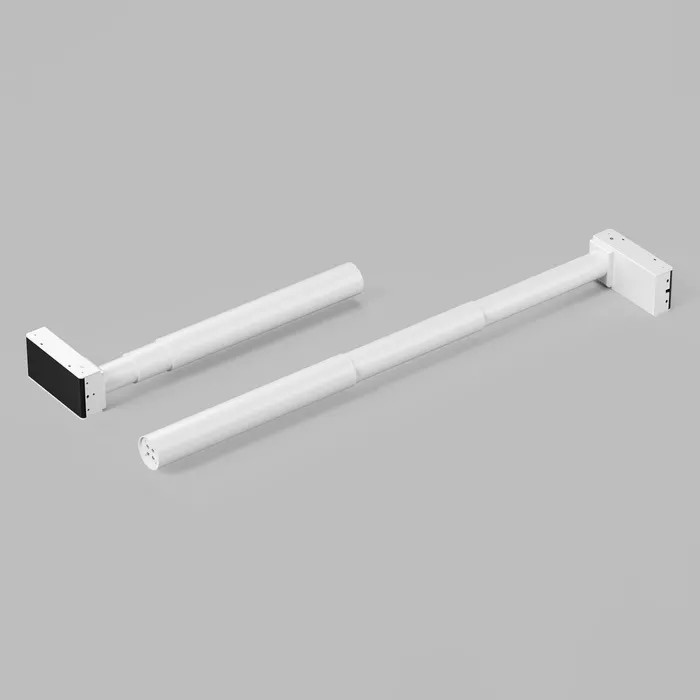
Standing desk failures tend to sit in the frame, drive and control components rather than the desktop. Fit-out contractors and facility managers care about whether installation needs special tools, whether frames fit existing desktop cut-outs, how control boxes and cabling are routed, and how clear the spare-part replacement process is. These are engineering and after-sales questions that should be confirmed item by item with ETUP before contracting, not assumed.
3. Turn generational differences into role differences
Rather than segmenting employees by age, segment work by mode: long-focus roles, collaborative roles, shared desks and temporary project stations. Each mode places different demands on lift range, load capacity, stability and appearance. Distributors can organize quotations around a role-to-configuration matrix, reducing returns caused by configuration confusion.
Buyer checklist: what to confirm before requesting a standing desk or lifting system quote
This checklist is for internal alignment and is not a commitment by ETUP. Every item should be verified with ETUP before publication or ordering.
- Market and compliance: electrical and safety requirements for the target market (Europe, North America, Middle East, Southeast Asia), and the scope of certification documents available — request and verify with ETUP.
- Structure and specifications: lift range, desktop size compatibility, load capacity, frame stages and stability requirements.
- Control system: control panel type, memory presets, anti-collision features, interfaces and cabling options.
- Installation and maintenance: installation instructions, required tools, common wear parts and replacement process.
- Commercial terms: MOQ, sample policy, lead time, packaging and warranty scope — all to be confirmed with ETUP.
- OEM/ODM: customization scope (colors, branding, packaging, control panels) and the corresponding minimum batch.
- Project support: availability of drawings, installation diagrams or technical documentation to match fit-out schedules.
Specific advice for four buyer types
Distributors
Manage inventory with a platform mindset: first confirm how many desktop sizes and accessory combinations one frame platform can cover, then decide stocking structure. Contact ETUP to verify platform coverage.
Office furniture brands
Treat lifting systems as part of the product line rather than a purchased component. Define consistency requirements for branding, control panels and packaging, and write the change process into the contract.
Fit-out contractors
Lock down power points, cable routing and desktop cut-outs during fit-out design to avoid rework. Confirm technical documentation and drawing support with ETUP in advance.
Enterprise buyers
Write adjustability and maintainability into scoring criteria rather than judging on unit price alone. Verify warranty terms and spare-part supply cycles with ETUP before including them in tender documents.
Conclusion
"Work is broken" is a cultural argument, but on the procurement table it becomes a configuration question: who decides the height, position and combination of a workstation. Whether Gen Z can fix workplace culture is not something this article can judge. What is clear is that buyers who clarify adjustability, installation and maintenance, and commercial terms at the inquiry stage already remove part of the failure at the supply chain level. This is a draft for human review and must not be treated as published content.
Sources
Topic signal: Work Design, "Work Is Broken – GenZ Can Fix It", 12 February 2026. https://www.workdesign.com/2026/02/work-is-broken-genz-can-fix-it/ (cited as a topic signal only; it does not validate any ETUP product.)