Direct answer: What does this research signal mean for B2B procurement?
A new industry research signal from Office Insight suggests that workplace design affects the cognitive effort required to focus. The signal comes from research by Corgan, in collaboration with the University of Arkansas, examining how the experiences of people with inattentive-type ADHD can inform better workplace design for everyone. For ETUP's B2B customers—including distributors, office furniture brands, fit-out contractors, enterprise buyers, designers, and OEM/ODM customers—the core takeaway is that adjustable work environments are no longer just about ergonomics or comfort. They are directly relevant to cognitive load and focus support.
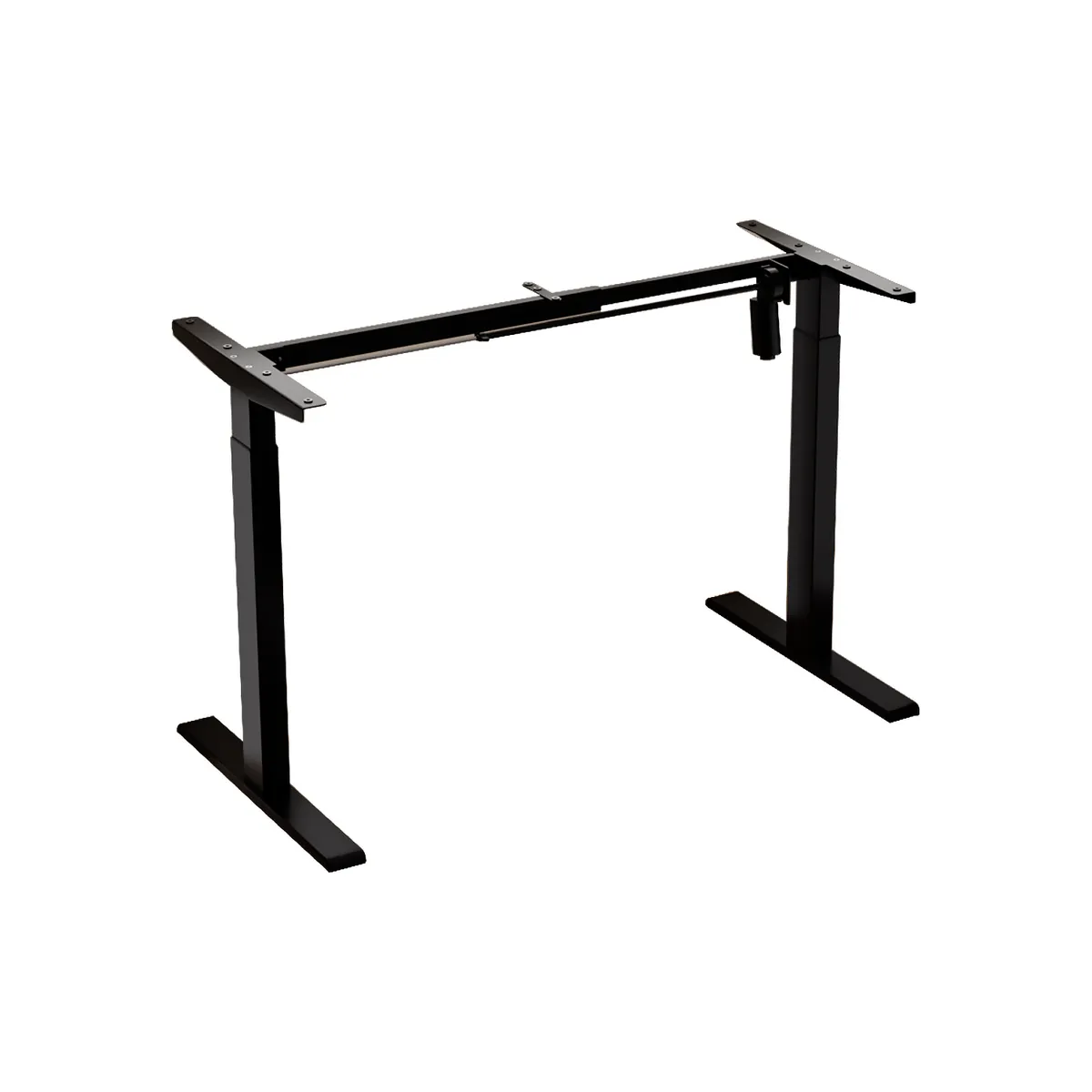
To be clear: this source is a topic signal, not proof of ETUP product performance. ETUP supplies B2B electric standing desks, desk frames, and lifting systems. Confirm all commercial details (such as MOQ, lead times, certifications, warranty) with ETUP.
Why "cognitive effort" is becoming a new dimension in office procurement
Traditional office procurement focuses on cost, durability, and basic ergonomics. But this research signal suggests that environmental factors may influence the mental effort required to sustain focus. For B2B buyers, this means evaluating office configurations not only on "can it adjust height" but also on "is adjustment smooth, does it encourage dynamic sit-stand transitions, and does it reduce distractions."
Electric standing desks and lifting systems can support more flexible working postures, but actual outcomes depend on product design, usage habits, and the overall office environment. ETUP does not claim its products treat or improve any medical condition. Buyers should make decisions based on their own needs and real-world testing.
Practical implications for B2B buyers
1. Distributors and office furniture brands
If end customers start asking about focus-supporting office configurations, distributors and brands need to explain how standing desks fit into a broader strategy of acoustics, lighting, and space planning. Adjustable furniture can shift from a "premium option" to "cognitive support infrastructure."
2. Fit-out contractors and designers
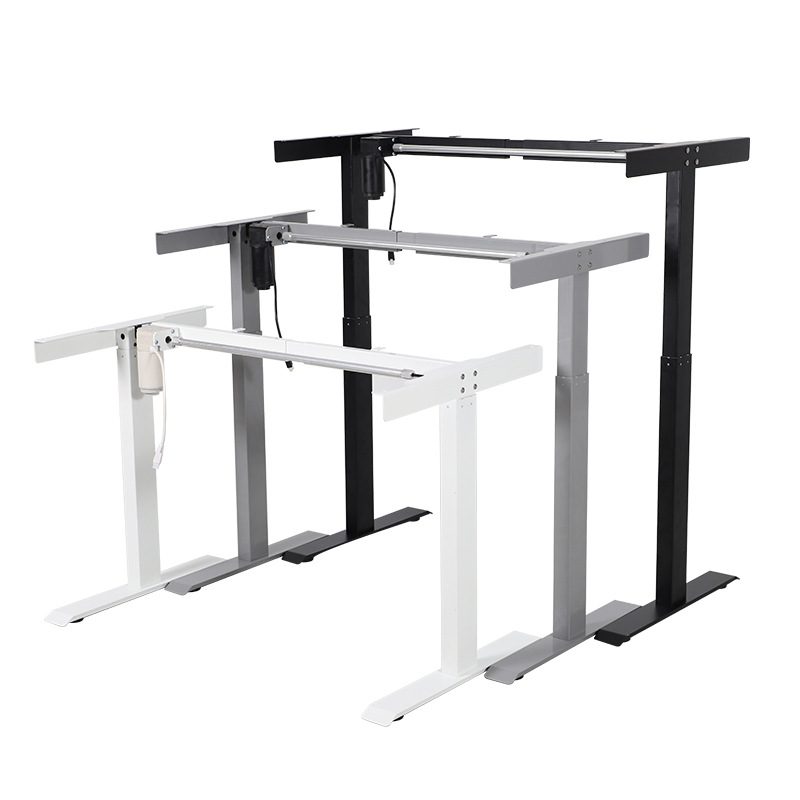
Designers may need to incorporate lifting systems earlier in space planning, including power routing, control panel placement, and sit-stand circulation. Contractors should focus on installation compatibility and maintenance access. ETUP's lifting systems can integrate into various desk frame designs, but confirm specific specifications with ETUP.
3. Enterprise buyers
When evaluating office upgrades, enterprise buyers can treat "cognitive effort" as a soft indicator alongside employee satisfaction, retention, and space utilization. Procurement teams should ask suppliers for verifiable specifications rather than vague "focus-boosting" claims.
4. OEM/ODM customers
For OEM/ODM customers, this signal may mean end brands will seek more differentiated lifting systems, such as quieter motors, smoother start-stop, or more flexible control options. ETUP can discuss customization needs, but all commercial terms must be confirmed directly.
Buyer checklist: What to ask when evaluating electric standing desks and lifting systems
- Use case: Is it a single focus workstation, shared office, or executive office? Different scenarios require different lifting speed, noise, and load capacity.
- Adjustment frequency: If users switch between sitting and standing multiple times a day, motor life and control system reliability are more critical.
- Noise level: In quiet or focus areas, lifting system noise may affect others. Ask ETUP to verify specific decibel data.
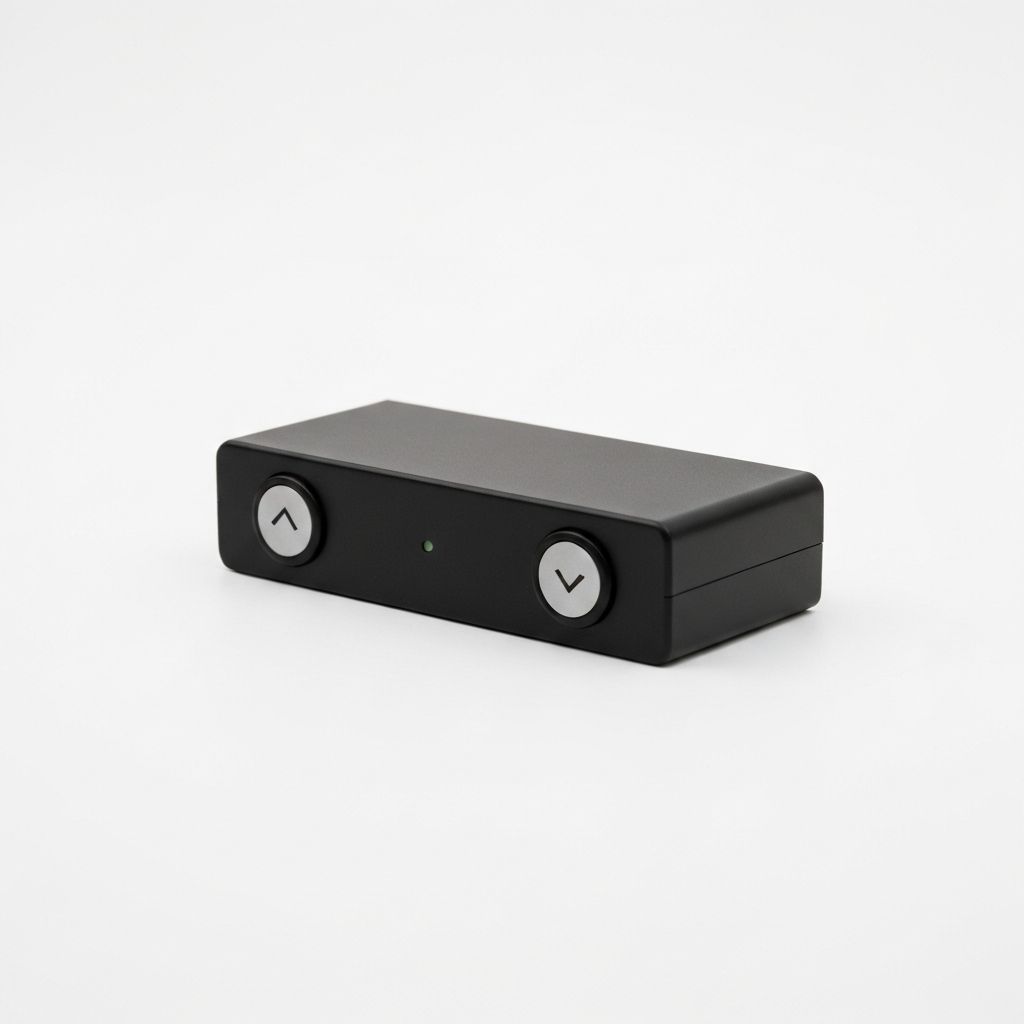
- Compatibility: Does the desk frame fit existing tabletops? Does the control panel support common height memory?
- Certifications and compliance: Electrical safety and electromagnetic compatibility requirements differ across target markets (Europe, North America, Middle East, Southeast Asia). Confirm available certifications with ETUP.
- Installation and maintenance: Is professional installation required? What about spare parts availability and warranty terms?
- Total cost of ownership: Look beyond unit price to lead times, shipping, after-sales support, and replacement cycles.
- Verifiability: Ask suppliers for test reports or specification sheets, not marketing language.
Frequently asked questions
Does this research prove standing desks improve focus?
No. The source is an industry research signal exploring the relationship between workplace design and cognitive effort. It is not a controlled experiment on ETUP products or standing desks. Buyers should treat it as a design-thinking reference, not product performance proof.
What support can ETUP provide?
ETUP supplies B2B electric standing desks, desk frames, and lifting systems. For MOQ, lead times, certifications, customization options, and warranty, contact ETUP directly to verify.
How can this signal translate into a procurement strategy?
Start with a pilot: test adjustable workstations in a real office environment, collect user feedback, and then decide whether to scale procurement. Also require suppliers to provide verifiable specifications and compliance documents.
Conclusion
The signal that workplace design affects the cognitive effort required to focus offers a new lens for B2B office procurement. For distributors, brands, contractors, enterprise buyers, and OEM/ODM customers, the key is not to view standing desks as simple "comfort accessories" but as system components that support dynamic ways of working. Confirm all commercial details with ETUP to ensure they meet the actual requirements of your target market.
Sources
Topic signal: New Research Shows Workplace Design Affects the Cognitive Effort Required to Focus, Office Insight, 2026-09-28. This source is used as a topic signal only and does not prove ETUP product performance.