Direct answer: what does this trend signal mean for standing desk procurement?
CBRE's “Workplace 3.0: Five workplace design trends that will shape the office of the future” is a topic signal about the direction of workplace design, not a product test report. For B2B buyers, its value lies in pointing to a shift in demand structure: offices are moving from collections of fixed workstations toward flexible spaces that support hybrid work, employee wellbeing and rapid reconfiguration. That means electric standing desks, adjustable desk frames and lifting systems are no longer standalone categories; they need to be evaluated alongside space planning, use cases and compliance requirements. This article does not claim the source proves the performance of any ETUP product. All commercial details, including certifications, MOQ, lead times and warranty, should be confirmed directly with ETUP.
Core themes in the trend signal
According to CBRE's public summary, the report covers five workplace design trends touching on hybrid work models, employee experience and wellbeing, spatial flexibility, technology integration and sustainability. This article uses those themes only as demand context; it does not reproduce the original content and does not treat the source as an endorsement of any specific product. For office furniture brands, distributors, fit-out contractors and enterprise buyers, the common thread is that workplaces need fewer fixed structures, more adjustability, and clearer health and compliance narratives.
Five practical takeaways for electric standing desks and lifting systems
1. Hybrid work raises the value of on-demand configuration
When employees no longer use the same desk every day, workstation sharing rates and adjustment frequency rise. Buyers should focus on control consistency, height memory functions and everyday durability rather than comparing lift speed alone. For distributors and OEM customers, define whether the target scenario is assigned seating, shared seating or hot-desking at the selection stage, because different scenarios place different demands on control panels and drive systems. Contact ETUP to verify specific configurations.
2. Wellbeing narratives need verifiable compliance information
Employee wellbeing is a common theme in workplace design, but health-related claims in procurement documents must be supported. Buyers should request compliance documents applicable to the target market, such as electrical safety, electromagnetic compatibility and environmental declarations, and confirm that these documents cover the specific models. Do not accept broad statements such as “meets international standards.” The exact certification scope and applicable models for ETUP must be confirmed item by item during quotation.
3. Flexibility requires reconfigurable desk frames
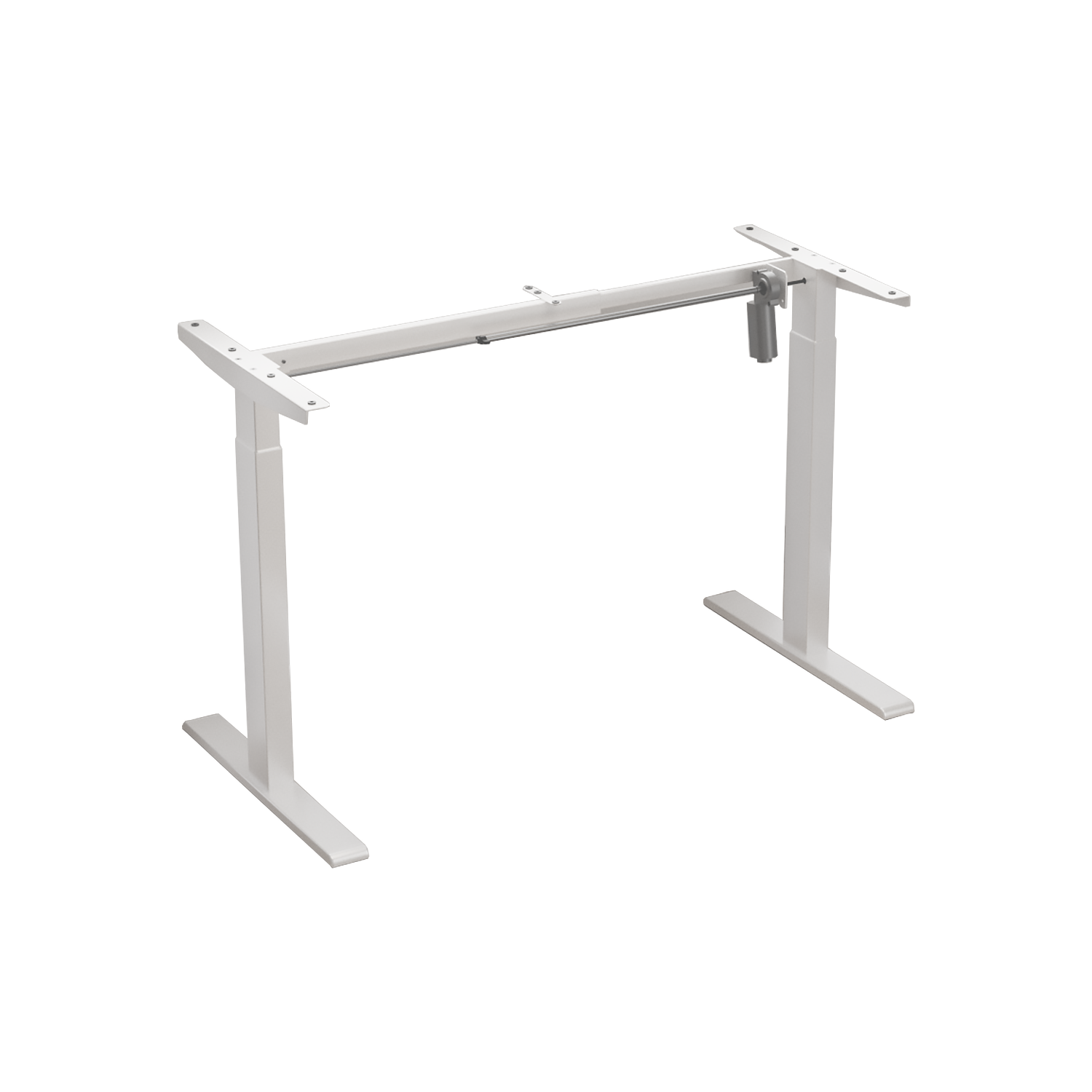
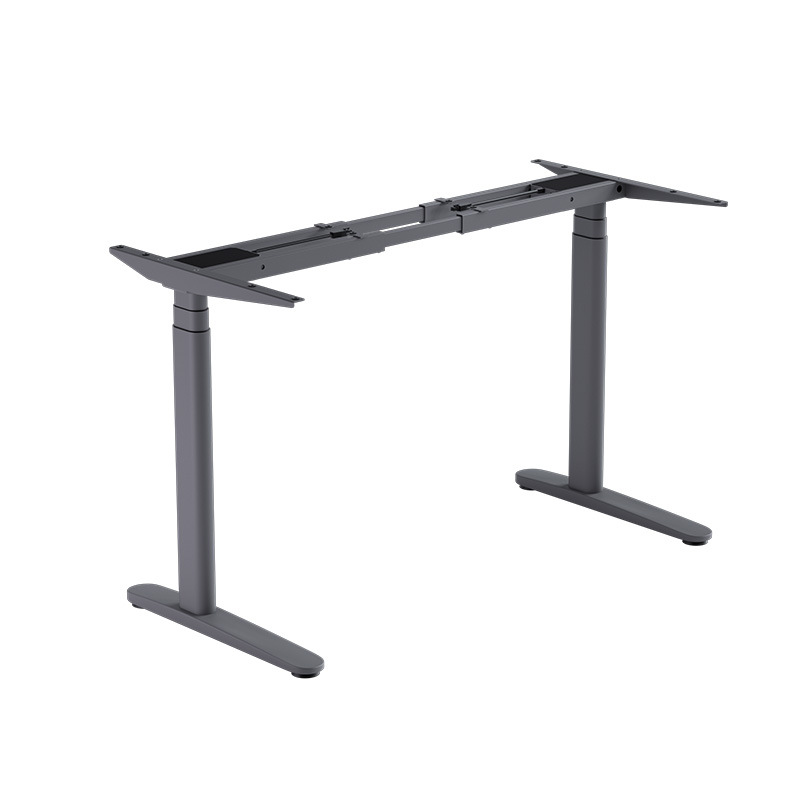
Spatial flexibility is not only about a desk going up and down; it also concerns whether the frame can accommodate different desktop sizes, be adjusted quickly on site, and accept replaceable accessories. For fit-out contractors and office furniture brands, lock down the frame's adjustment range and installation method early in the project to avoid rework when desktop dimensions change later. OEM/ODM customers should also confirm customization boundaries, sampling processes and change management, all of which are commercial details to verify directly with ETUP.
4. Technology integration affects wiring and control schemes
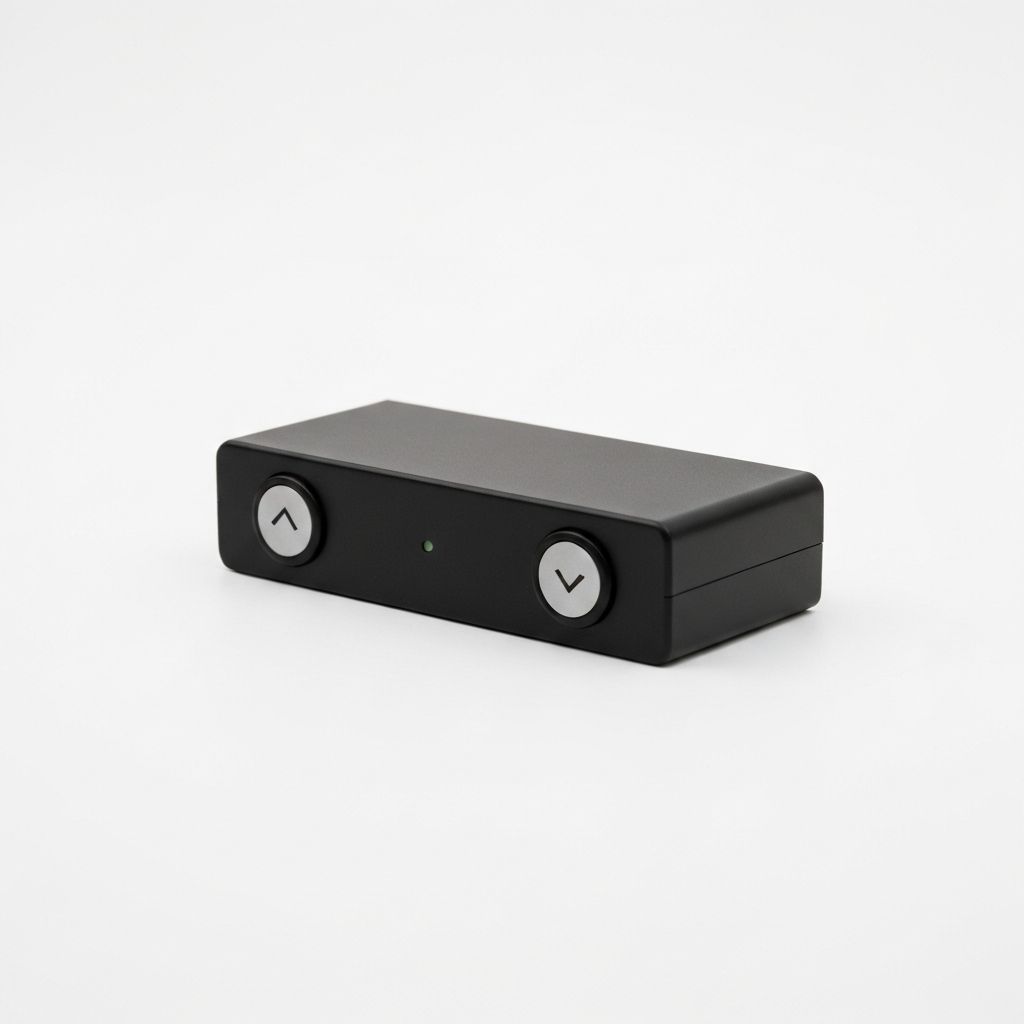
The technology integration trend means standing desks need to coordinate with power, data cabling and space management systems. Buyers should look at control box placement, completeness of cable management accessories, and the feasibility of multi-desk synchronization or centralized control. Enterprise buyers should require suppliers to describe wiring schemes and on-site commissioning support scope in tender documents, rather than providing a product catalogue alone.
5. Sustainability needs to reach materials and packaging
Sustainability is a long-running theme in workplace design discussions. For standing desk procurement, practical entry points include desktop material sourcing, recyclability of steel and motors, packaging reduction and spare parts supply cycles. Buyers can ask suppliers about packaging schemes and spare parts policies, but should avoid accepting unverified environmental claims. Refer to ETUP's formal documents for details.
Practical buyer checklist
- Define the use case: assigned seating, shared seating or hybrid work, and set lift range and control type accordingly.
- Check compliance documents for the target market and confirm they cover the models to be purchased, not just a series name.
- Confirm the match between frame adjustment range and desktop dimensions, plus on-site installation and adjustment methods.
- Assess wiring and control schemes, including control box placement, cable management and centralized control needs.
- Ask about packaging, spare parts supply and after-sales support scope, and write them into the purchase contract rather than confirming verbally.
- For OEM/ODM projects, confirm customization boundaries, sampling lead times and change processes.
- Verify all certifications, MOQ, lead times, capacity and warranty terms with ETUP before publishing or ordering.
What this means for different buyer types
Distributors should build a clear selection matrix rather than using one product for every scenario. Office furniture brands need to integrate lifting systems into their overall product roadmap rather than treating them as isolated accessories. Fit-out contractors should focus on on-site installation efficiency and adjustability. Enterprise buyers should write compliance documents and after-sales support into tender requirements. Designers need to engage earlier in coordinating desk frames with spatial modules. OEM/ODM customers should translate customization needs into verifiable technical specifications and confirm the handover between sampling and mass production with suppliers.
Conclusion
CBRE's trend signal provides useful demand context, but it is not proof of product performance. For B2B buyers, the real value is in turning trends into executable procurement questions: scenario, compliance, flexibility, wiring and sustainability. ETUP supplies B2B electric standing desks, desk frames and lifting systems; contact ETUP to confirm specific models, certifications, MOQ, lead times and warranty before making decisions. This article is a draft and must be reviewed by a human before publication.
Sources
CBRE, “Workplace 3.0: Five workplace design trends that will shape the office of the future” (topic signal only): link